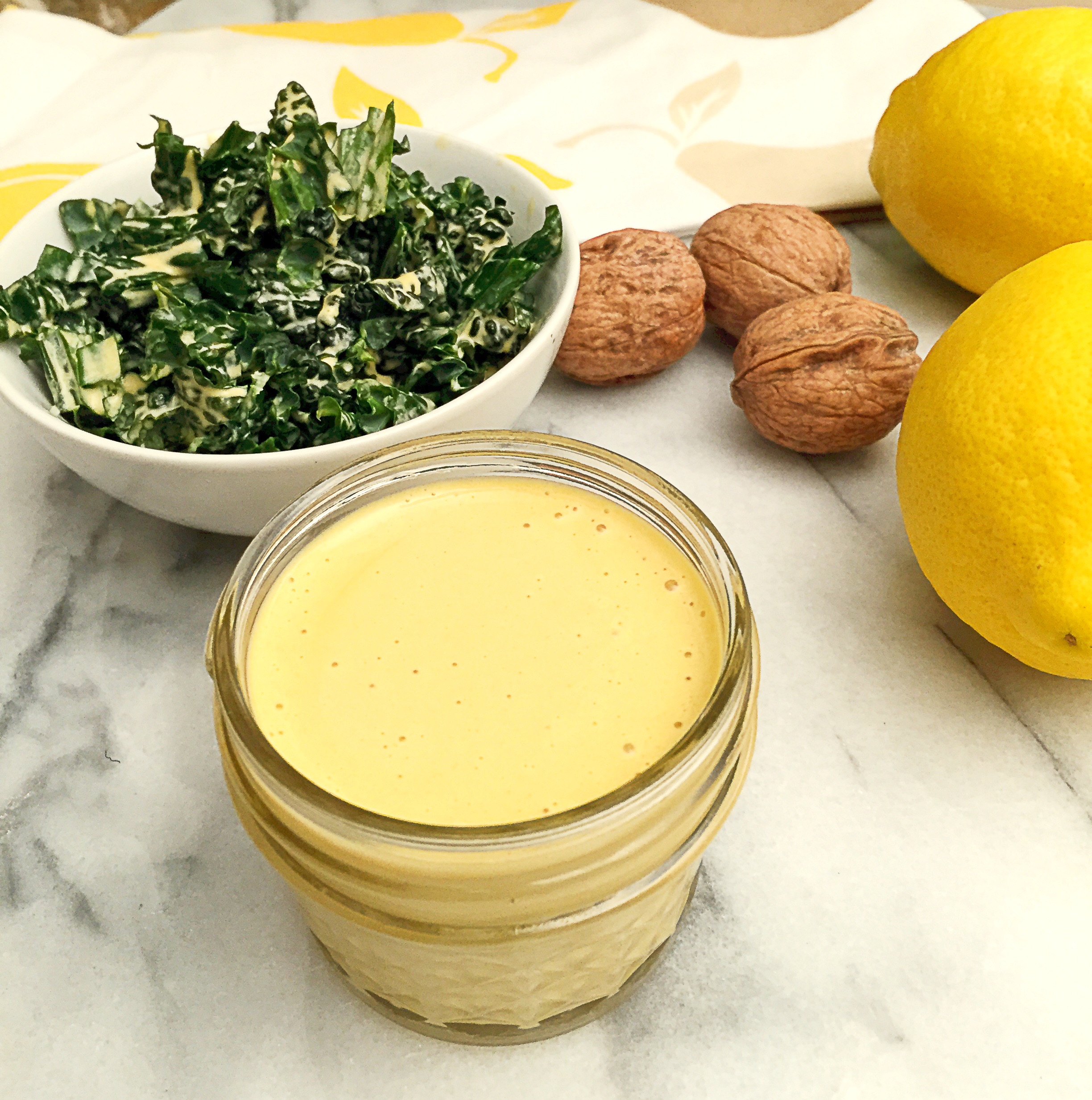
Creamy Caesar Salad Dressing

Creamy Caesar Dressing--DIY Caesar Salad Dressing

Creamy Caesar Dressing–DIY Caesar Salad Dressing

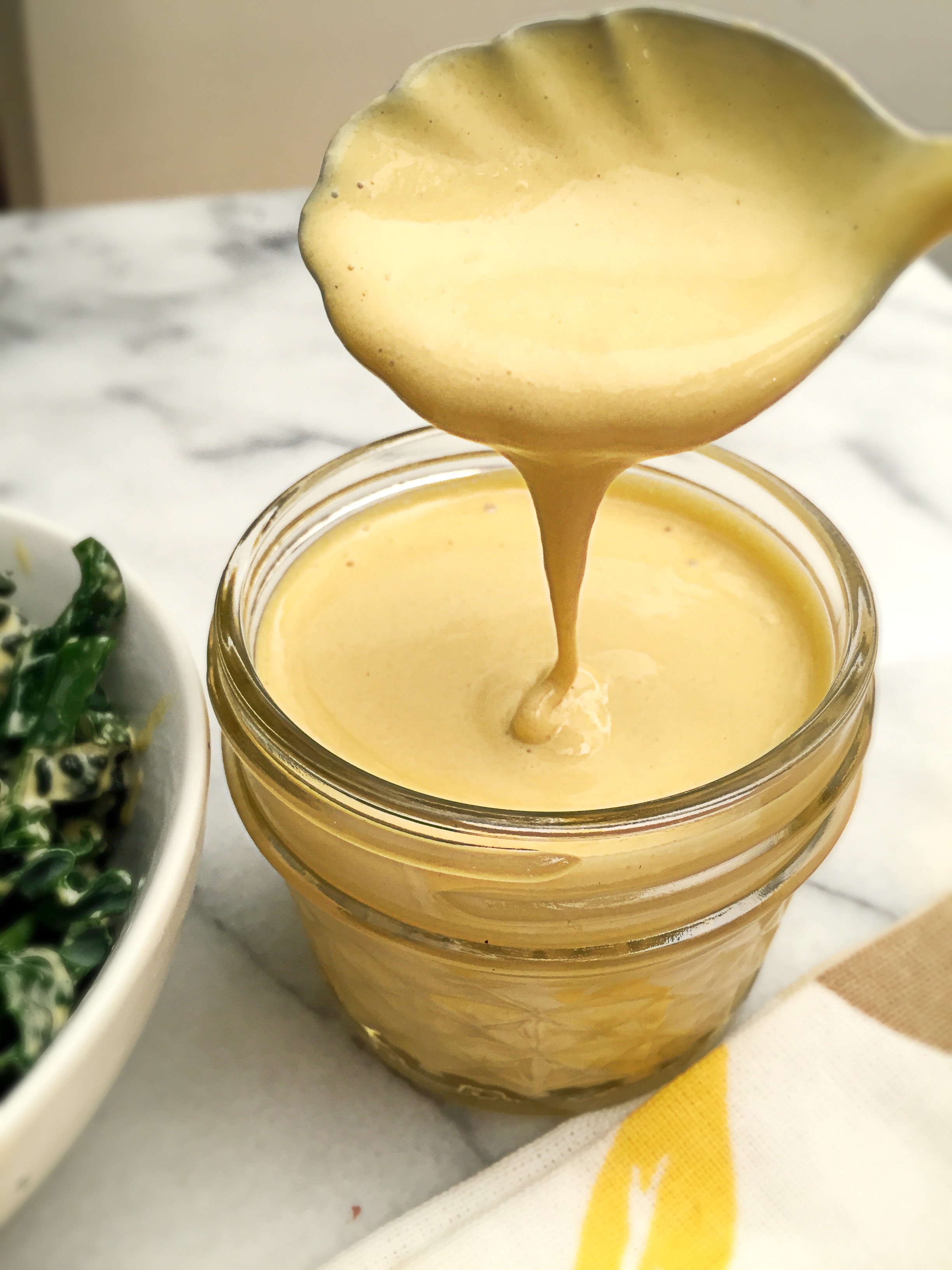
My latest obsession is salad.  Crispy and crunchy vegetables with a drizzle of oil, and a splash of citrus or vinegar–what’s not to love?  Salads are a great way to get in a few servings of fresh vegetables in their raw state.  As much as I love salads, they can become a bit boring if you don’t mix things up a bit.  The easiest way to do that is to switch out the vegetables and the dressing.  I often make caesar salads with romaine lettuce, but sometimes I switch out the romaine and replace it with baby kale, or lacinto kale.  It makes for a hearty salad and an especially delicious twist to the standard caesar  salad, we are all used to.  I’ll post the recipe I use for the kale caesar another day, but today, I’m sharing my recipe for my favorite creamy caesar salad dressing.  It’s my go to dressing, when I crave a creamy salad dressing.

Pin It!

Prep time: 10 minutes

Cook time: none

Ingredients:

1 clove of garlic pasted

2 Tablespoons of lemon juice

1/2 teaspoon of worcestershire sauce

1 tablespoon of anchovy paste

2 large egg yolks

1/4 cup grape seed oil

5 teaspoons of olive oil

3/4 cup of freshly grated parmesan cheese

black pepper to taste

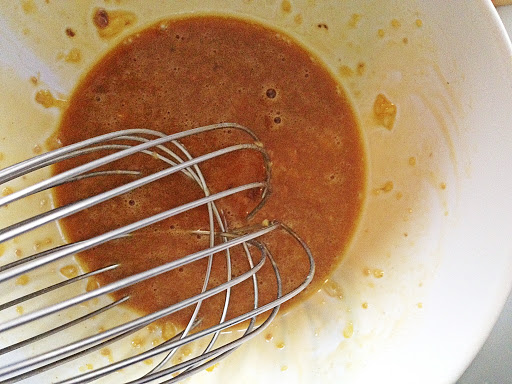
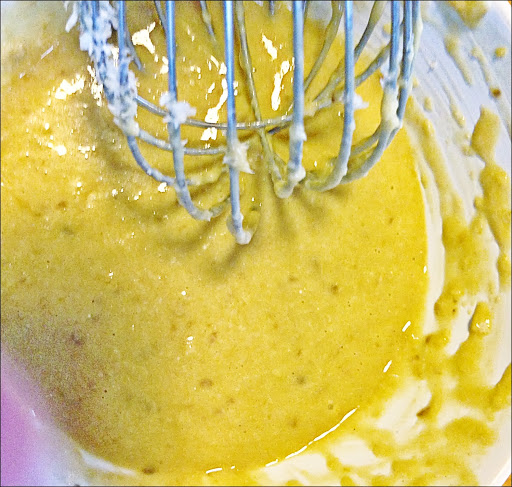
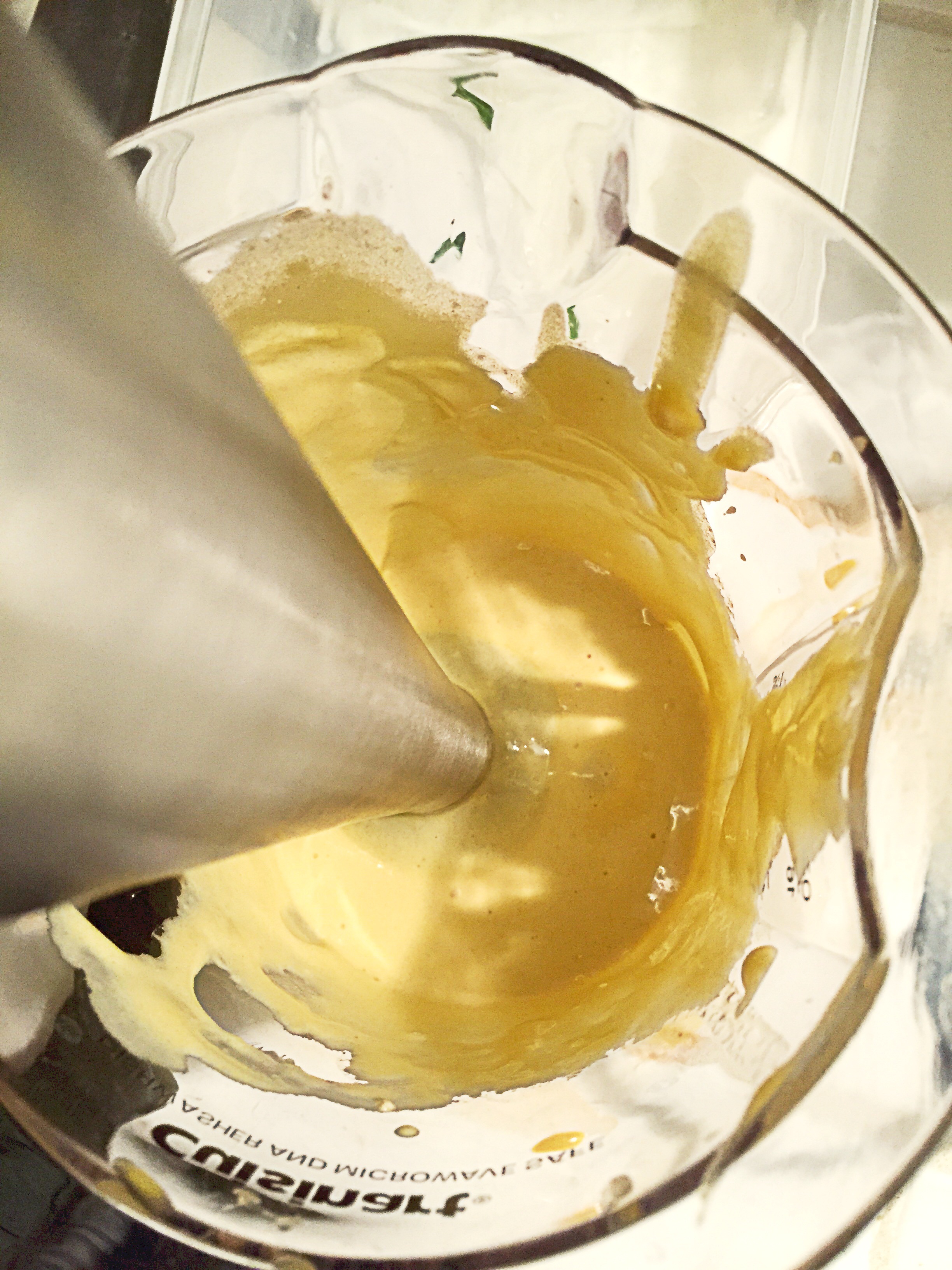
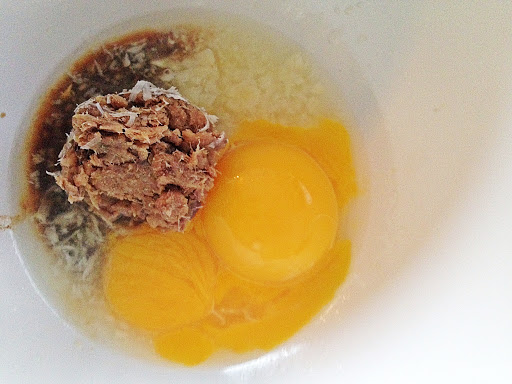
Directions:  To a small bowl add the grated garlic and lemon juice, allow to sit for 10 minutes.  If you have a hand mixer like I do, add the lemon garlic mixture, (after it sits for 10 minutes), and the rest of the ingredients to a bowl and mix until the mixture thickens–about 1-2 minutes.
image

Transfer to an air tight container and chill until ready to use.
image

If you don’t have a hand mixer,  whisk worcestershire sauce, anchovies, and egg yolks into garlic/lemon juice mixture.


While whisking, drizzle grape seed oil and extra virgin olive oil into bowl in slow, steady stream until fully emulsified.


 Add 3/4 cup Parmesan and pepper to taste; whisk until incorporated:

image

Cauliflower Pizza Crust–How to make Cauliflower Pizza Crust

image

Cauliflower Pizza Crust


I’m trying to find different ways to serve vegetables to Page.  She has a new found love for pizza–before she wasn’t at all impressed.  Recently, I’ve started to get her involved in helping me to make the meals we’re eating.  I saw a food documentary about food, and kids.  In it the narrator said that the best way to get kids to eat vegetables is to have them take part in cooking. Page is at that age where she’s very eager to help, so I thought why not take advantage of that.   I’ve also really wanted to try out a cauliflower pizza crust on our new baking steel.  I have to say that I was more than impressed with the results–so was Page.   Now for those of you wondering if this will taste anything like that delicious yeasty bread that you’re used to with pizza–the short answer is no.  Bread is bread–this is an alternative to bread.  Although it’s not bread–it mimics bread in form, and it is so delicious that it stands on it’s own.  The reason cauliflower is most often used by people as a substitution for grains is because it has such a mild flavor.  It also has great texture. This recipe requires that you add cheese.  I used parmesan, but you could use mozzarella, or pecorino, or a combination of your favorite Italian cheeses.  I also used fresh basil, but you can use rosemary, or another herb of your choosing, dried or fresh–totally up to you.

Pin It!


Prep time: 10 minutes

Cook time: 15 minutes

Ingredients:

1 small head of cauliflower

1/4 teaspoon of garlic powder

1/4 teaspoon of truffle salt

1 tablespoon of finely chopped fresh basil

1 cup of freshly grated parmesan–or cheese of your choice

1 egg

Directions: Pre-heat your oven and pizza stone or baking steel  to 450F for 45 minutes. Steam the cauliflower for 5-7 minutes–or until fork tender.

image

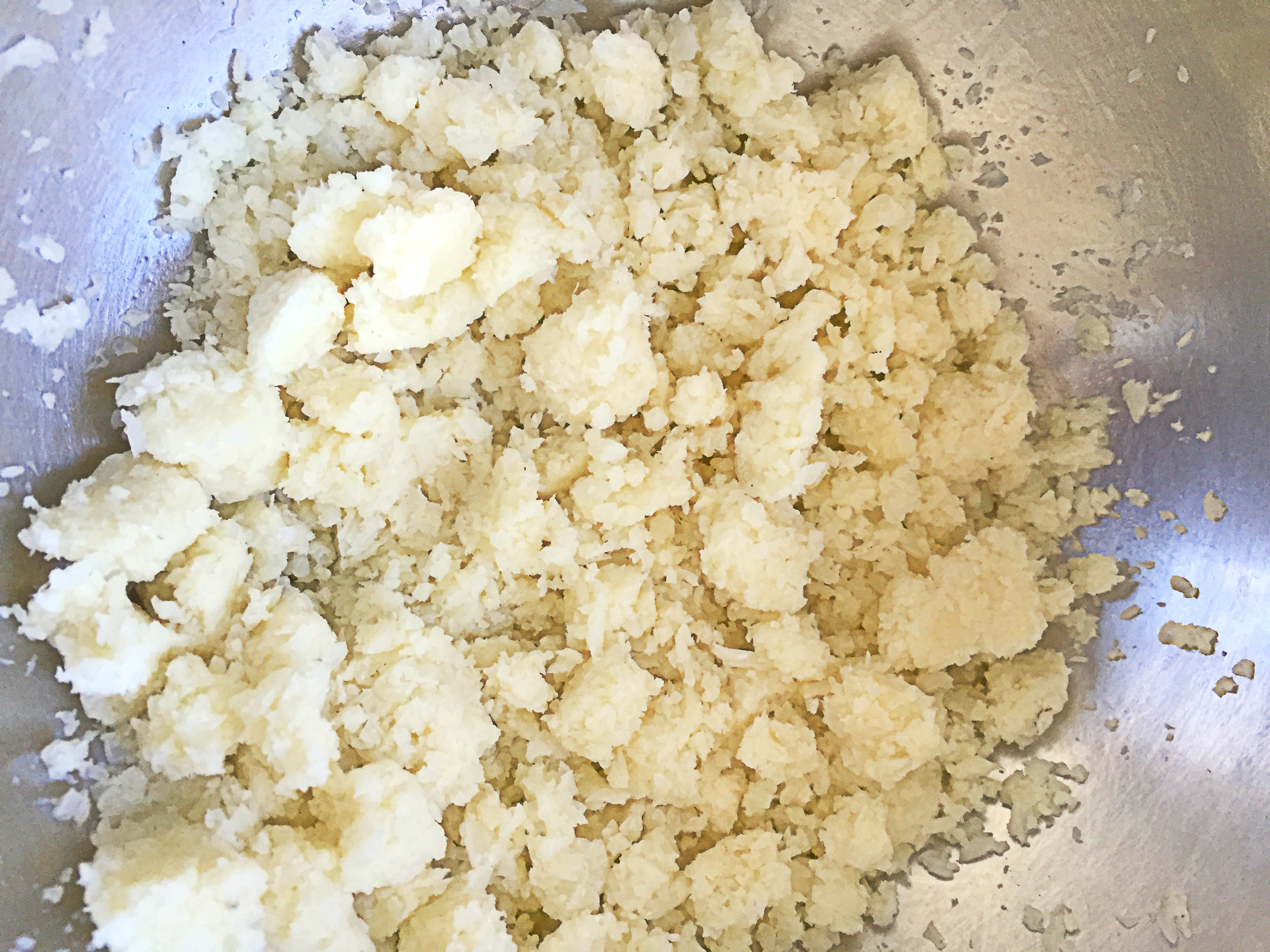
Transfer cauliflower to a processor and process until cauliflower looks like grains of rice.

image

Transfer processed cauliflower to a clean kitchen towel, or a nut milk bag, and squeeze until the cauliflower becomes dry.  You want to squeeze out as much water as you can.

image

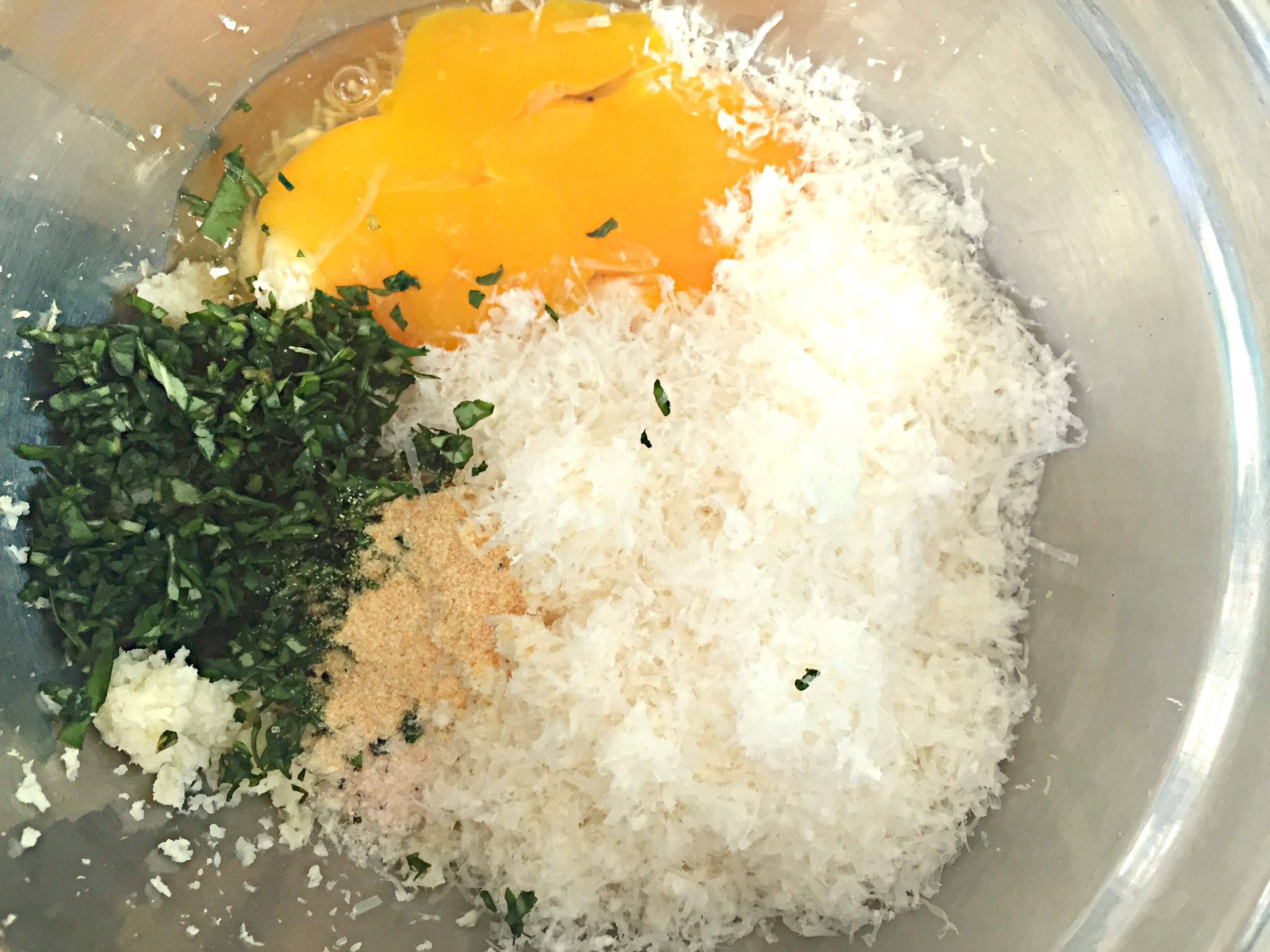
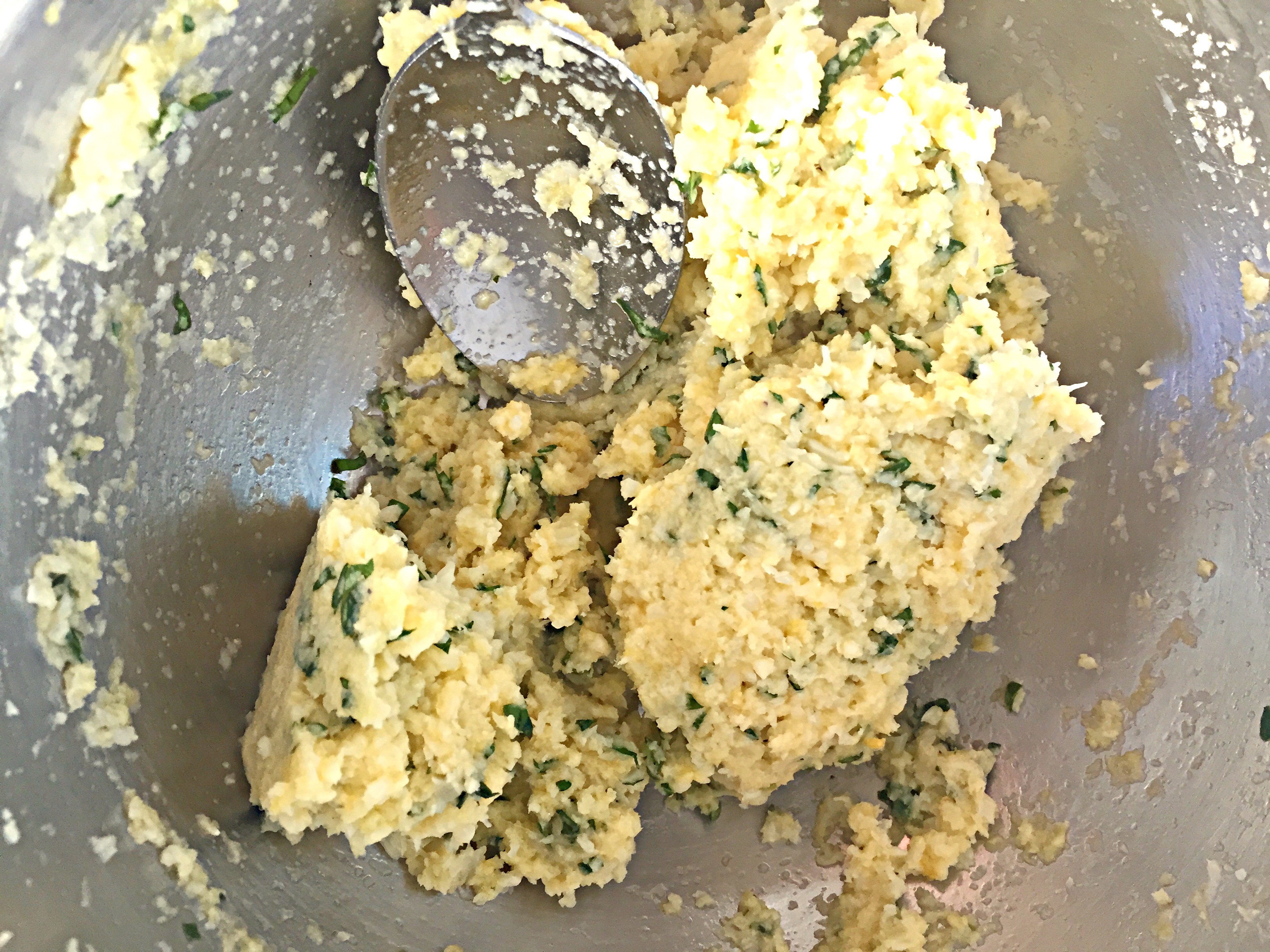
Transfer the cauliflower to a medium size bowl, and add garlic powder, salt, basil, and cheese–mix together into a ball.

image

image

image

Spray a sheet of parchment paper with oil.  Add the cauliflower mixture to the center of the parchment paper, and with your hands begin to flatten and form it into the shape of a pizza.

image

image

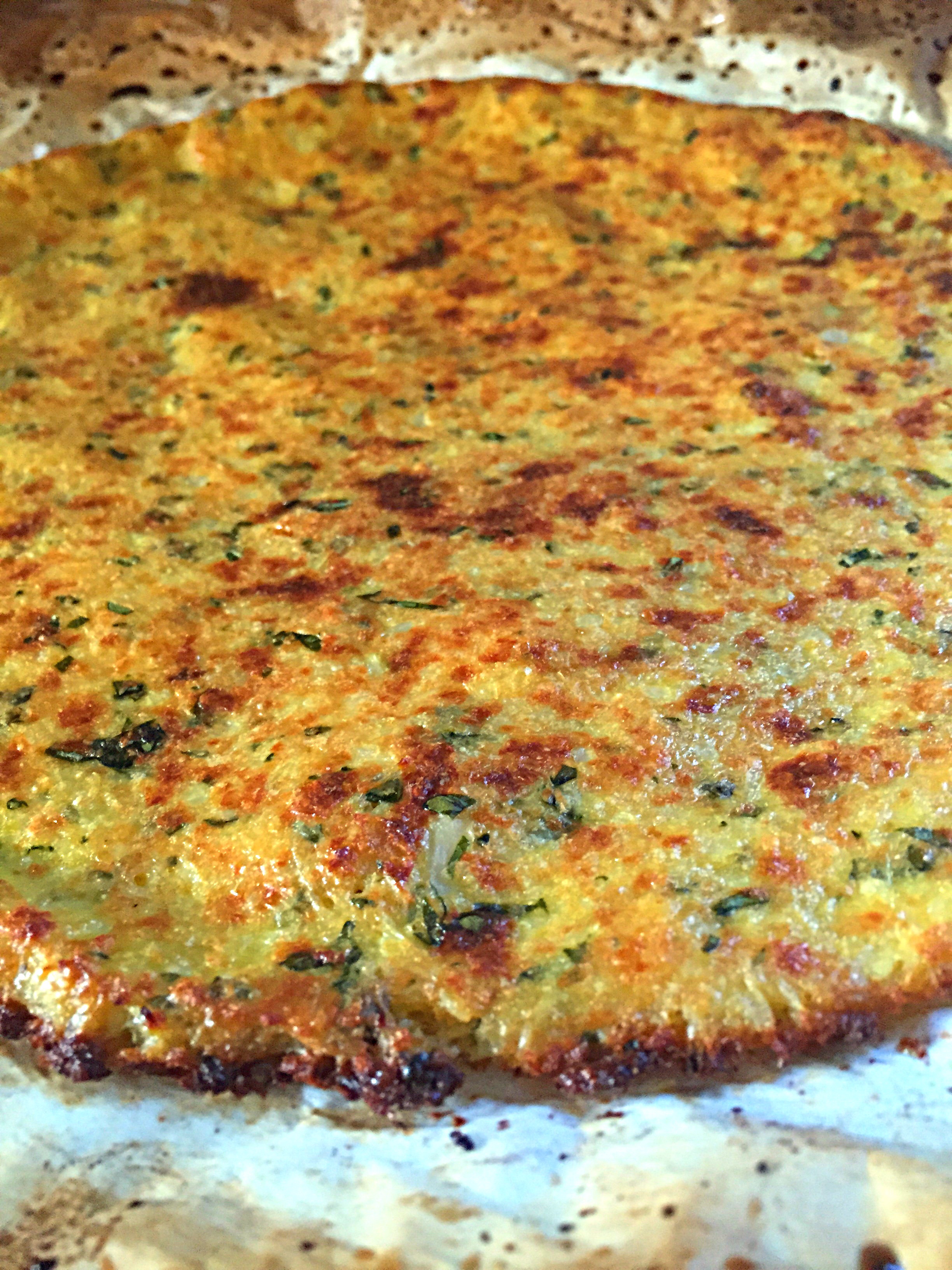
Once you have the shape you want, place it in the oven for 10-12 minutes.

image

Once it’s golden brown and bubbly like this:  remove it from the oven.

image

image

Now you can top it with your favorite tomato sauce, cheese and toppings.

image

Once you have it topped, place it in the oven to cook until the cheese and topping melt.  Remove from oven, cut serve and enjoy!

image

This made a 10-12 inch pizza, not a crumb was left over.  Everyone enjoyed it–my husband didn’t even know that the crust was made from cauliflower until Page told him! If you like this try my recipe for Tortilla Pizza!

Lemon Infused Oil-How to Make Infused Cooking oil with a Slow cooker or Sous Vide circulator


Sous Vide/Slow cooker Lemon  Infused Oil

Sous Vide/Slow cooker Lemon Infused Oil

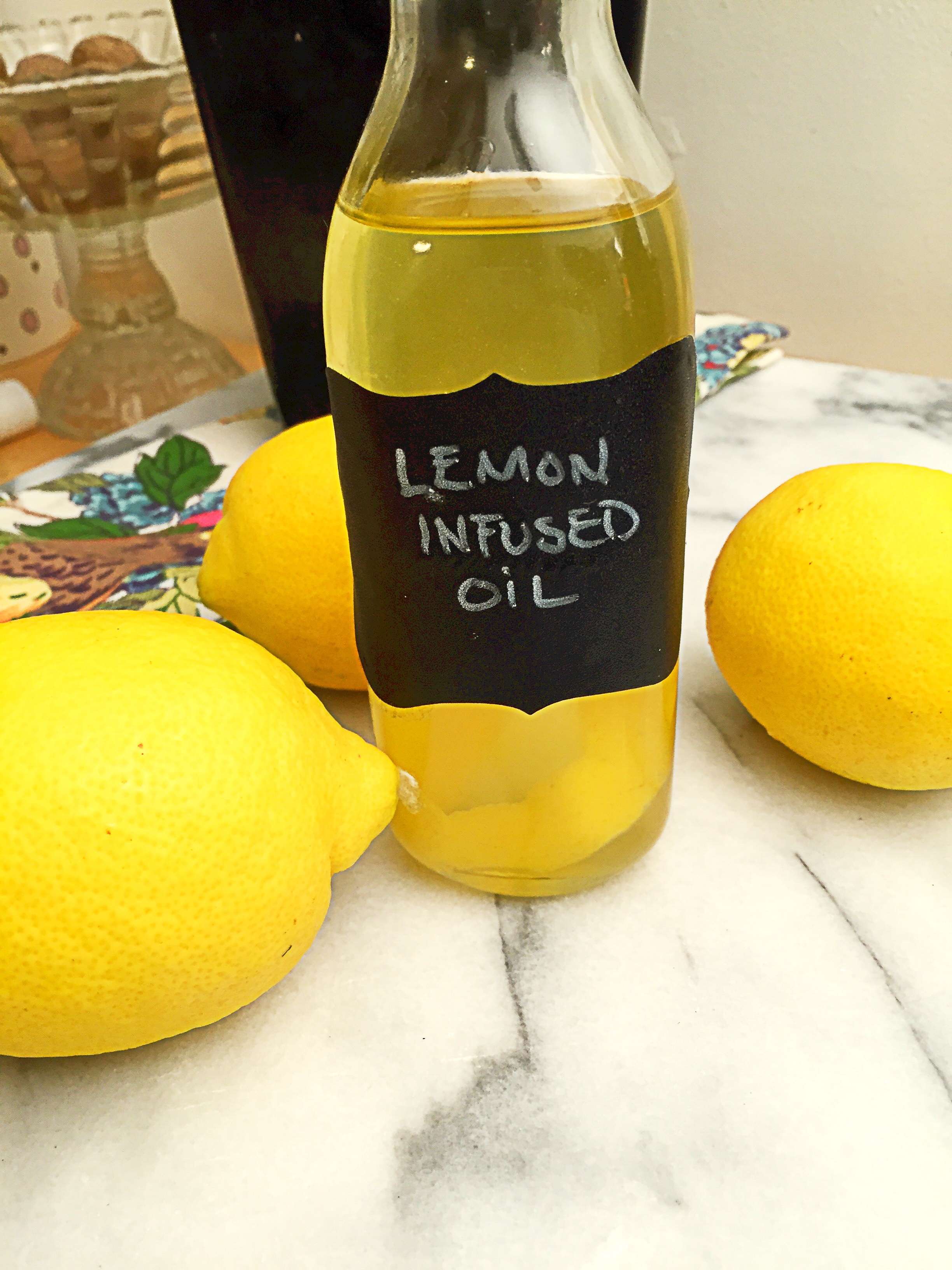
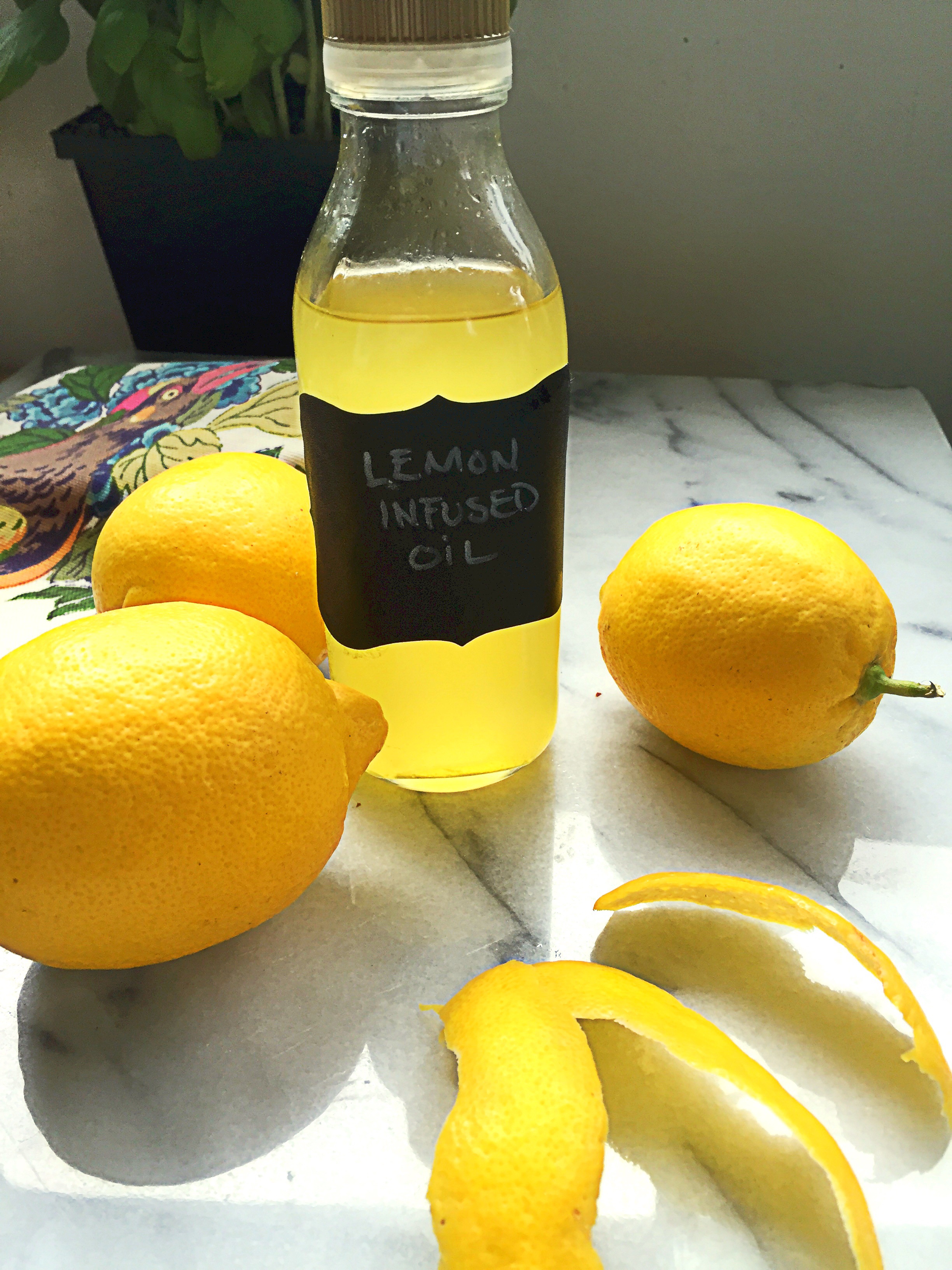
I’ve always wanted to try my hand at making infused oils.  I buy them all the time, but they are a little on the expensive side, so making my own seems like the better value.  Infused oils are a great way to layer flavor in almost anything, be it  a salad, warm or cold, or as a highlight to fish,  potatoes or a finish to a hummus.  The process is super simple–especially if you use a slow cooker or a immersion circulator.  I had originally planned to make this with my immersion circulator, but I didn’t want to exclude a lot of you from making it.  So I borrowed my mom’s crock pot, so that I could adapt this recipe to fit the needs of a slow cooker.  Sous vide and slower cookers have a lot in common, both cook food at low temperatures.  Immersion circulators offer the option of cooking at even lower temperatures than slow cookers.  If you have a slow cooker that has the option of allowing you to set exact temperatures then you’re ahead of the game.  If your slow cooker only has a low, medium, high, or warming settings, don’t fret, you can make this.  My mom’s slow cooker has a high, low and warm setting.  I went online and did some research on what exactly those setting are and found out that the low temperature setting on slow cookers is 200F, the high is 300F and warm is 145-165F.  I planned to set my circulator to 131F for 3 hours for this recipe, so the warm setting on my mom’s slow cooker was more than sufficient to match that. In fact it was sufficient enough to allow me to shave off a few minutes from the 3 hour cook time.  I did not, because I was busy doing other things while the oil was in the slow cooker, but if you’re anxious, you could take 15 minutes off of the cook time.  I made this lemon infused oil in both my immersion circulator and my moms slow cooker–set a timer for 3 hours for both.  The results were identical.  The lemon was nicely infused in both oils.  I used avocado oil, but this can be done with olive oil, grape seed oil, or any oil that you choose.

Pin It!


Prep time: 5 minutes

Cook time: 3 hours

Ingredients:

1 cup of avocado oil–or oil of your choice

peel of 2 medium sized lemons

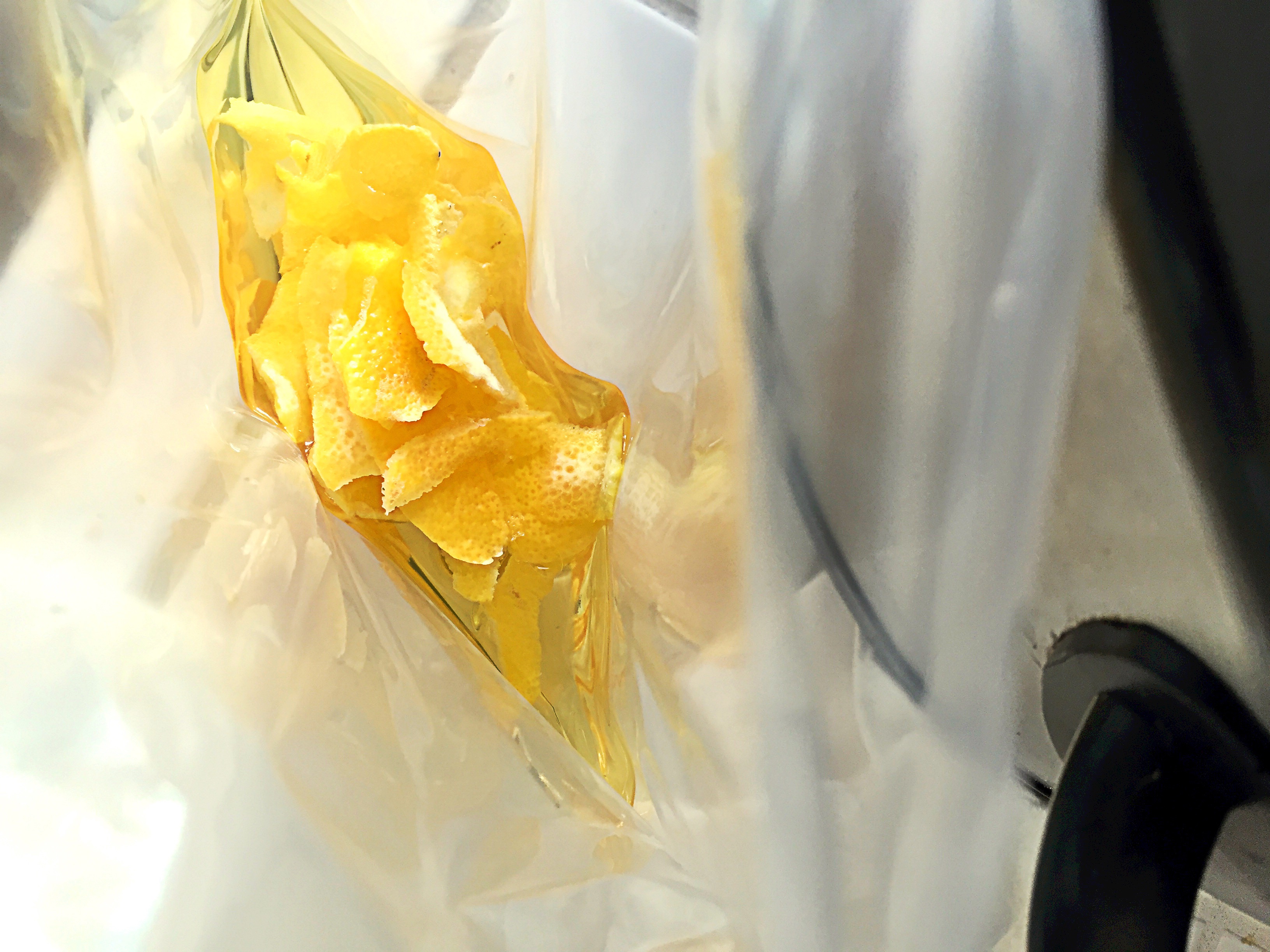
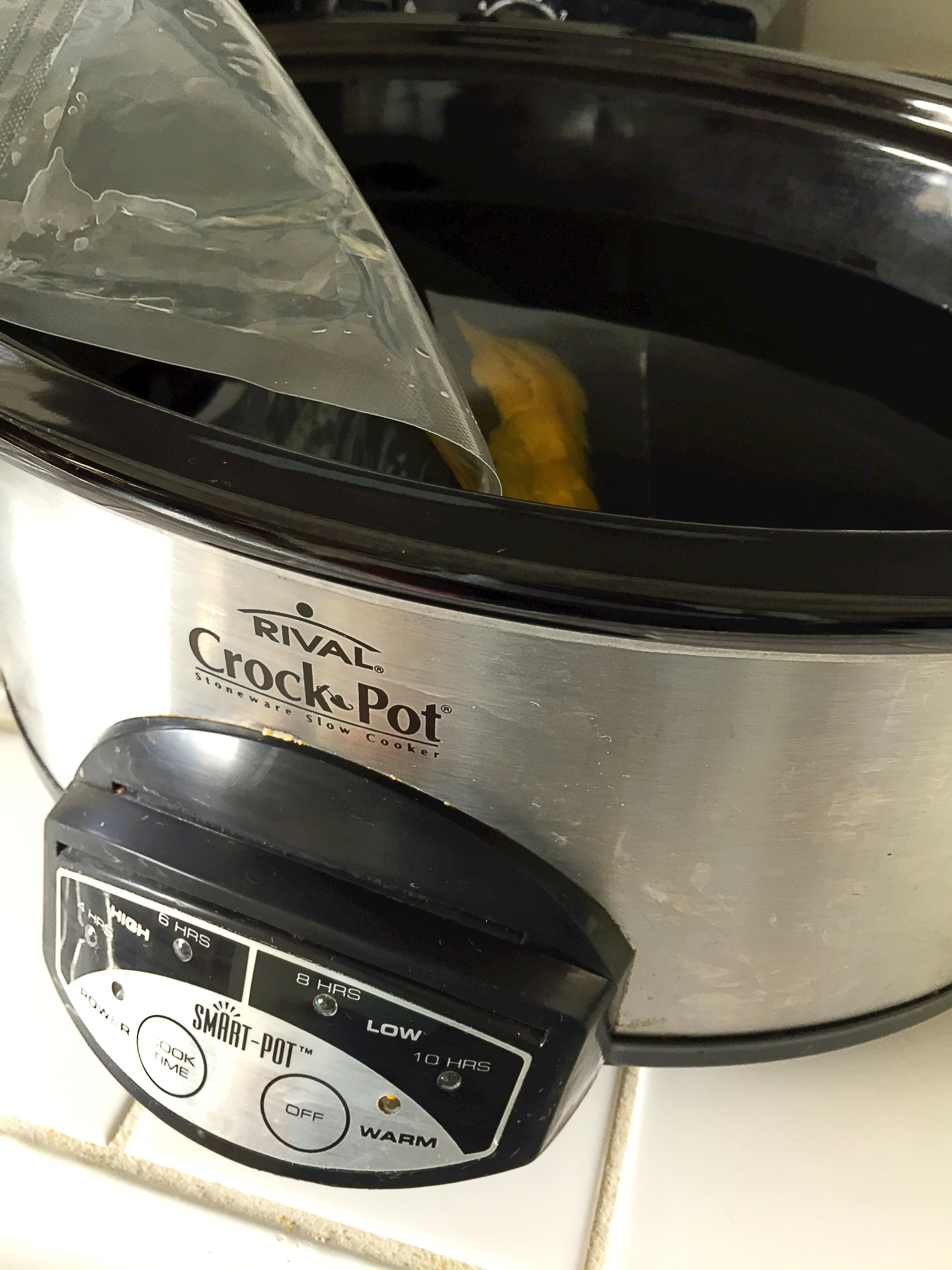
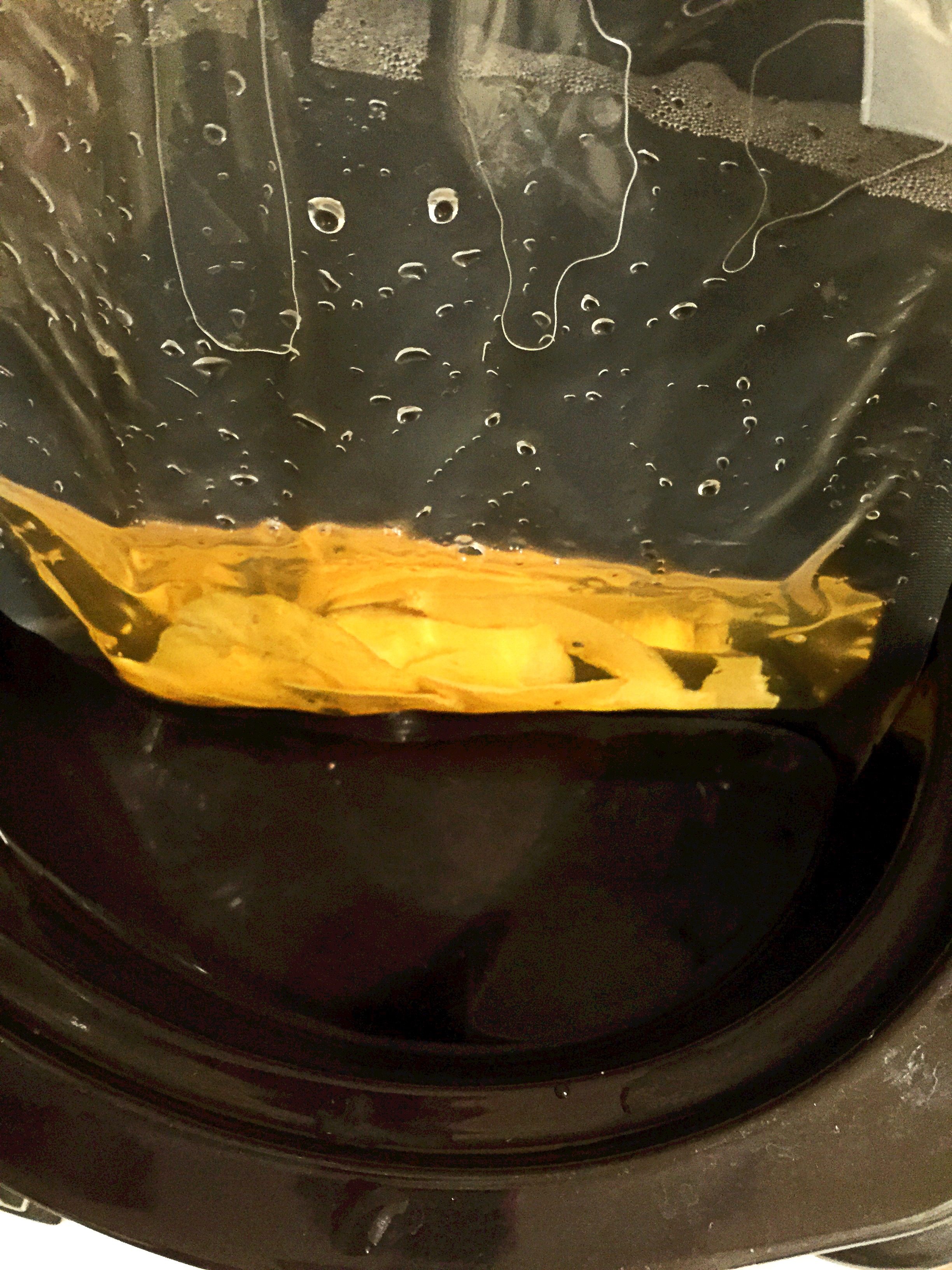
Directions for slow cooker:  fill slow cooker with water and set to 131F,–if your slow cooker has an exact temperature setting– or set it on the warm setting–low if your pot doesn’t have a keep warm setting. Place oil in a bag, then add lemon peels–making sure to bend and twist them to release oils.

image

If you’re using a ziploc bag place the bag in the slow cooker and seal using the water displacement method, then cook for 3 hours.  If you have a vacuum chamber sealer that allows you to seal liquids like I do, then seal the oil and lemon mixture in a bag for 10 seconds with a 1.5 second seal.

image

image

image

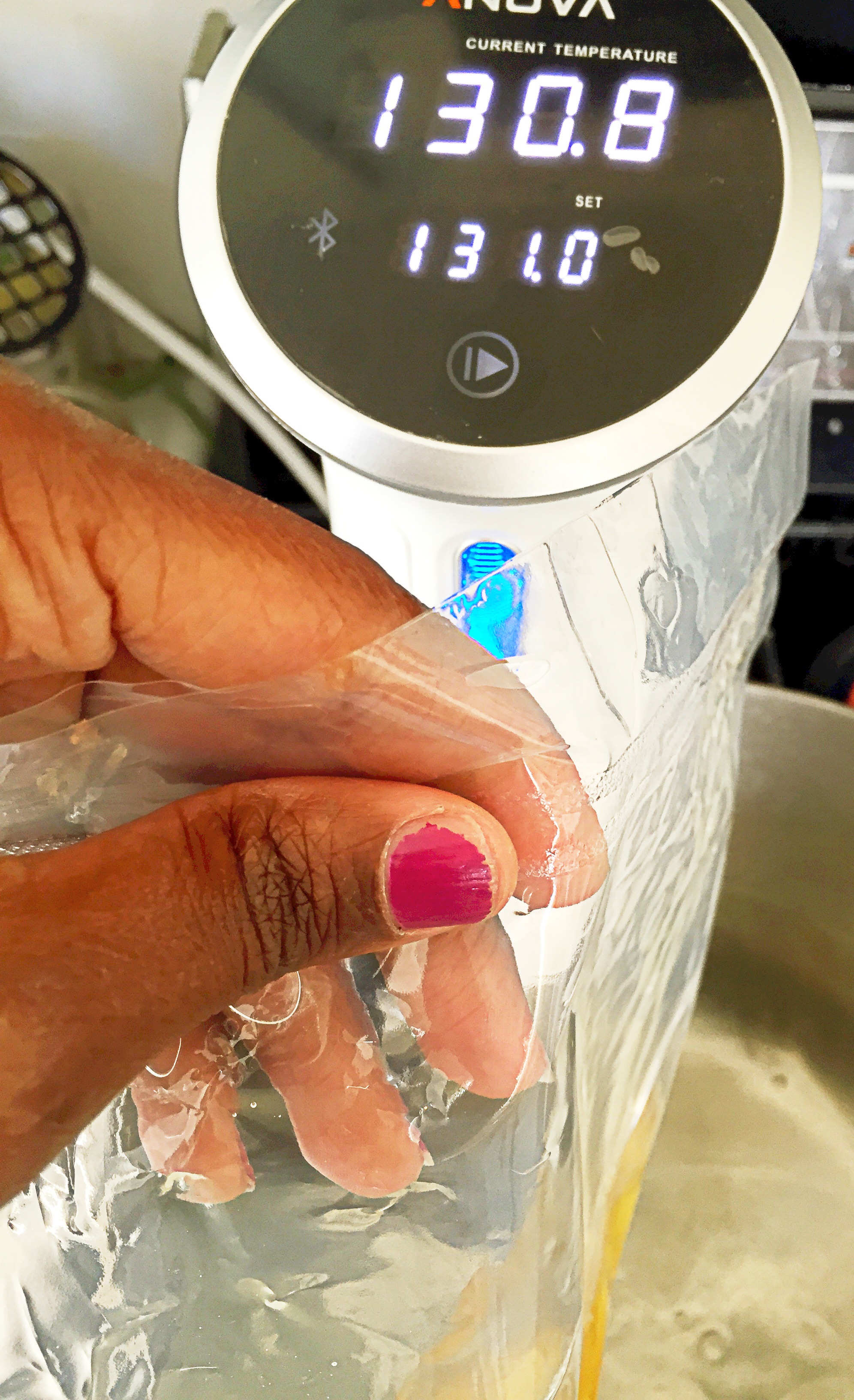
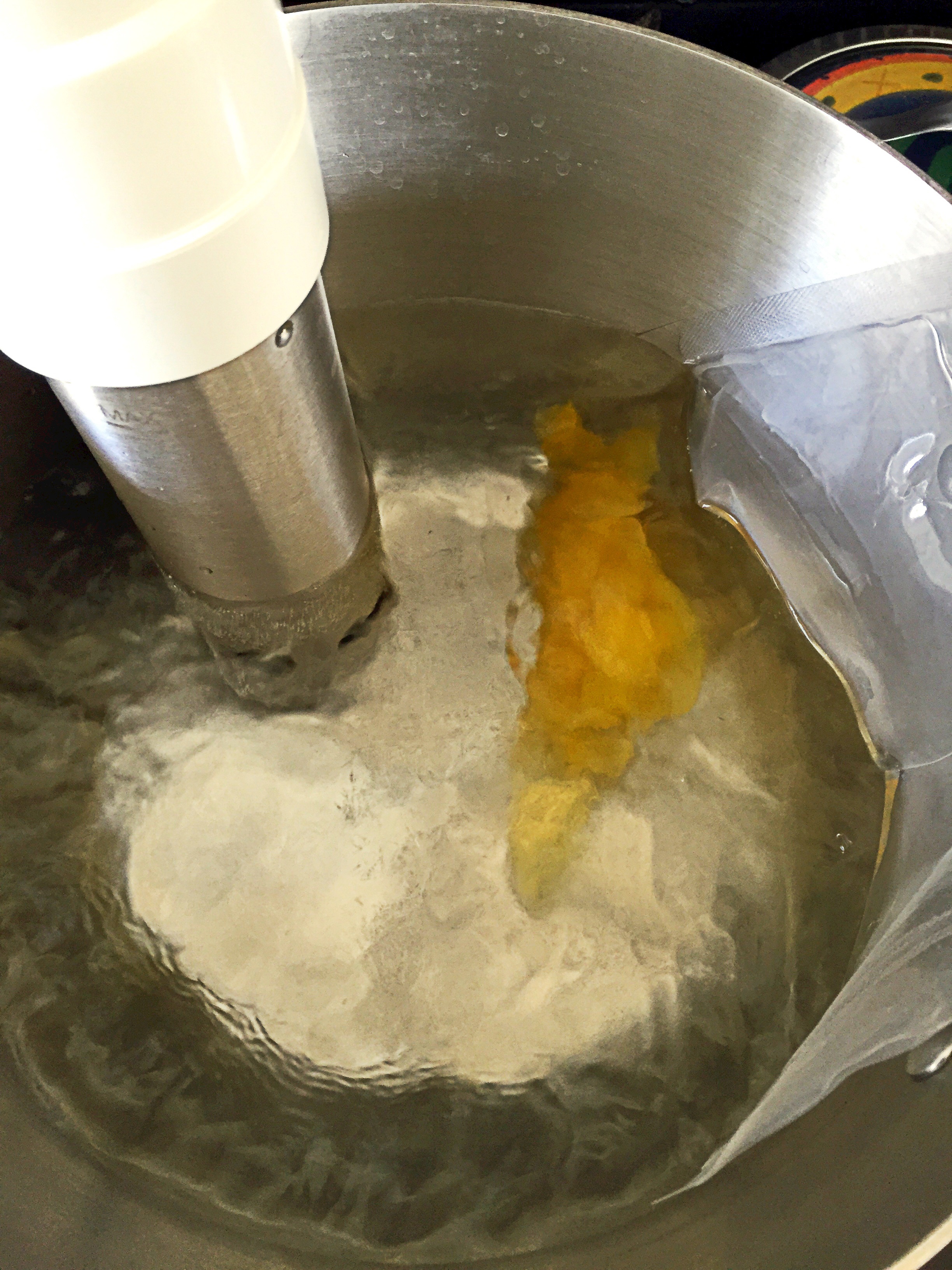
Directions for Sous vide:  Fill a pot or container with water, then set the circulator to 131F and wait for the water to come to temperature. Meanwhile add the oil and lemon peels to a bag–making sure to bend and twist them to release oils.

image

If you’re using a ziploc bag place the bag in the water bath and seal using the water displacement method, then cook for 3 hours.  If you have a vacuum chamber sealer that allows you to seal liquids like I do, then seal the oil and lemon mixture in a bag for 10 seconds with a 1.5 second seal.

image

At the 3 hour mark, carefully remove the oil from the water–remembering that even at 131F-165F water is very hot.

image

Transfer the oil to a clean container–removing all of the peels–you can leave one or two for decoration if you’d like.

image

The lemon oil is ready to use. There are so many uses for this oil.  Drizzle a little on avocado toast, or on roast chicken–the uses are endless and always delicious!

image


image