Persian Spiced Salmon Kabobs

Persian Spiced Salmon Kabob's

Persian Spiced Salmon Kabob’s


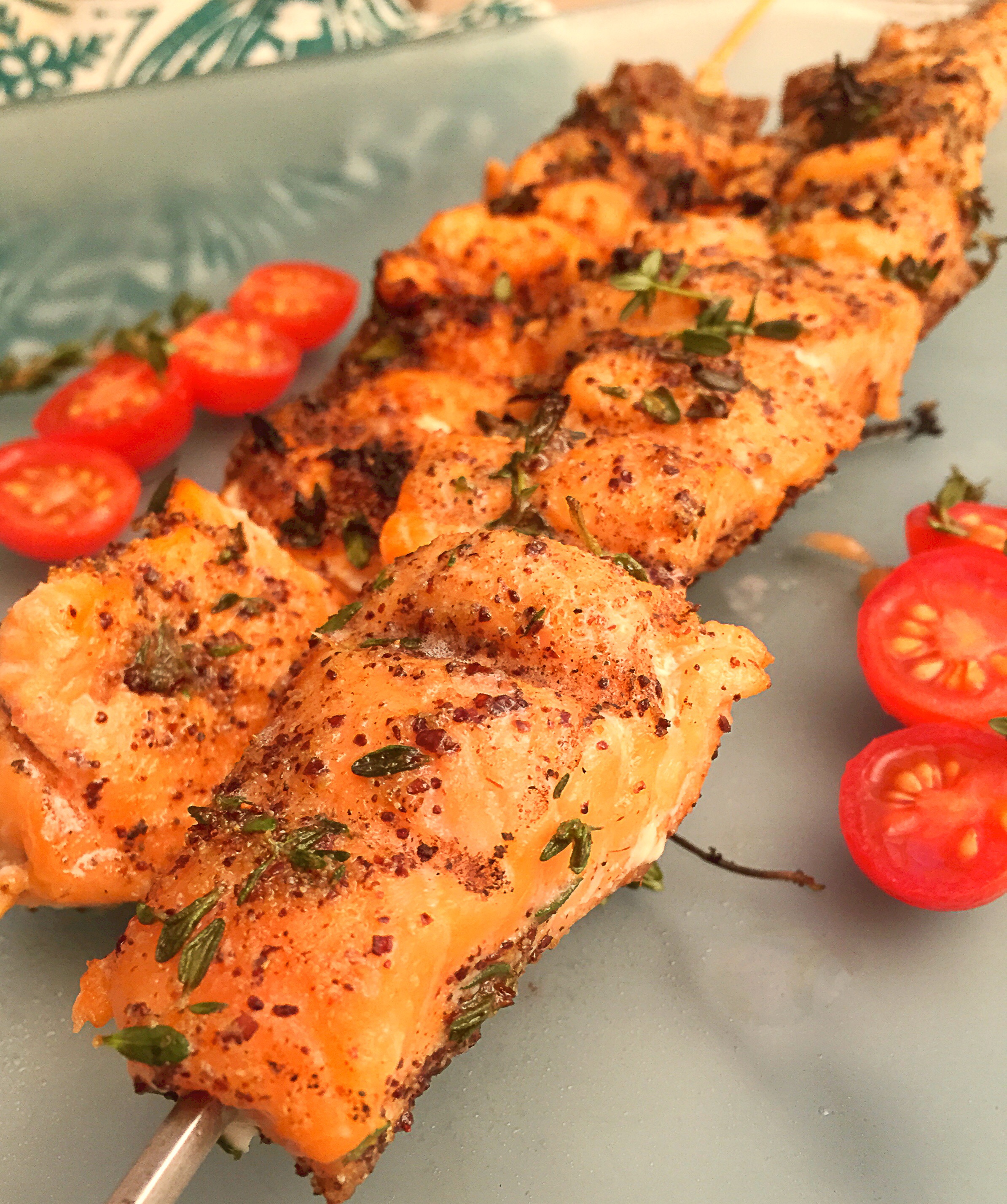
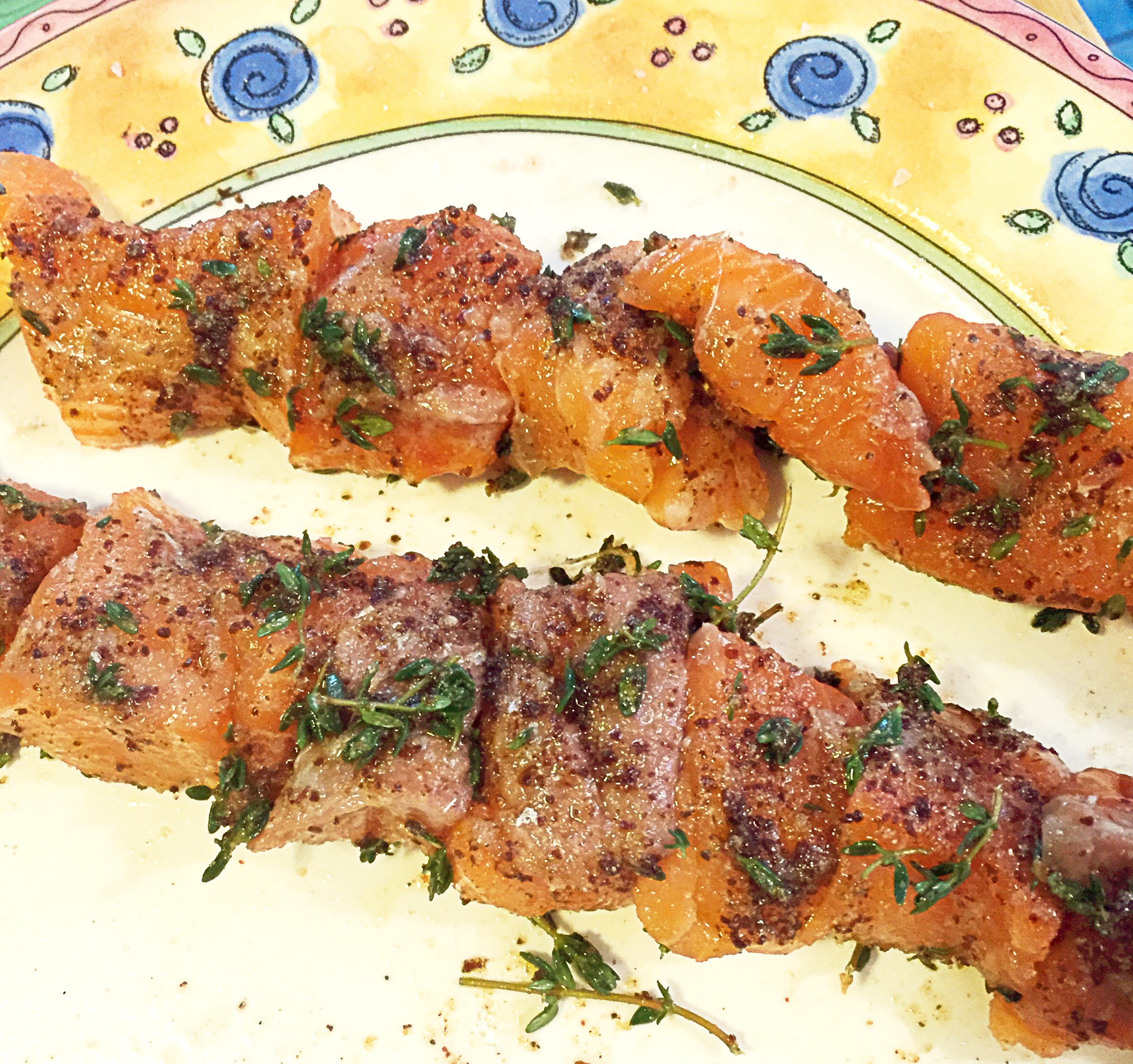
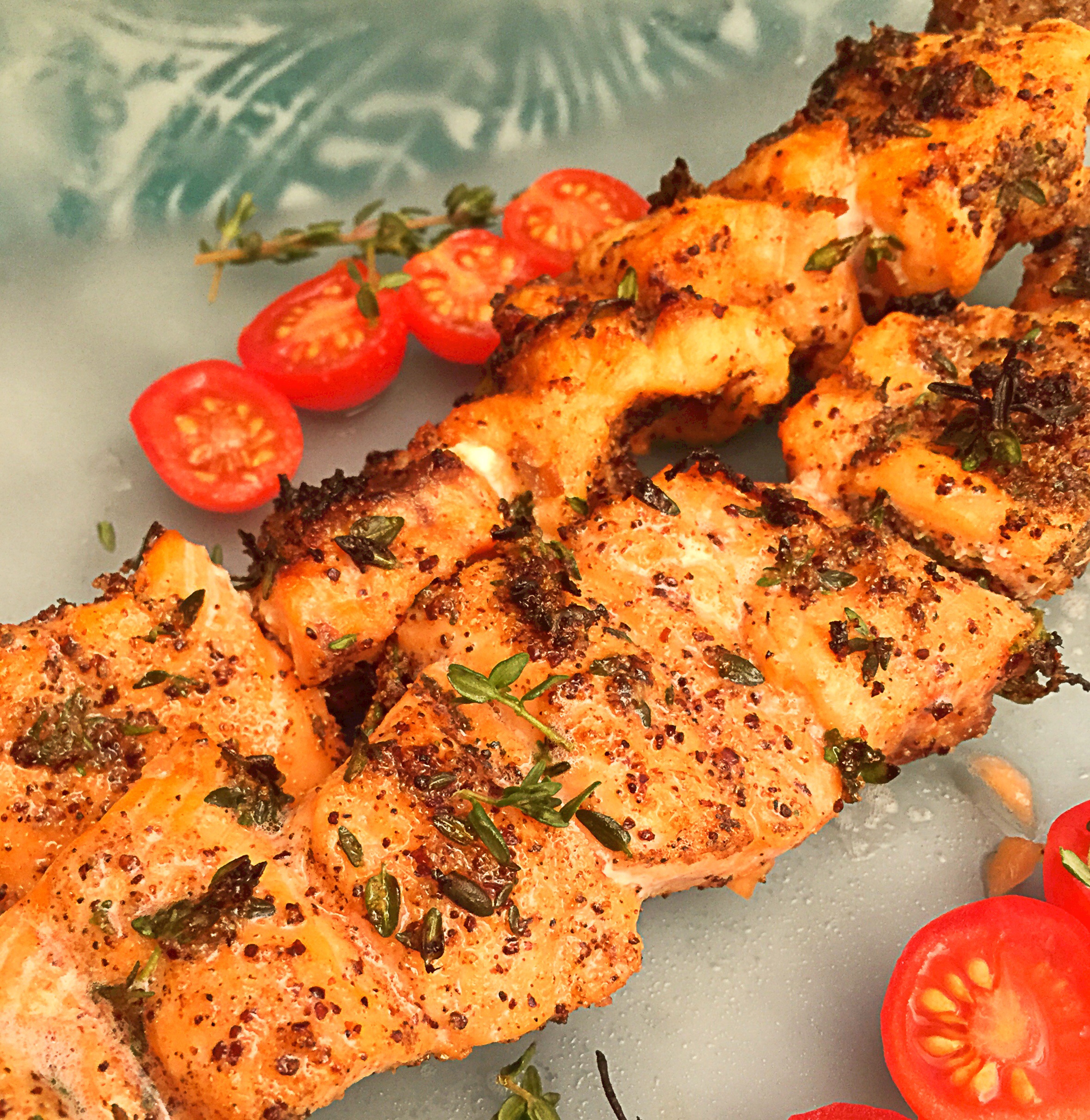
I love a good kabob and lately I’ve been craving them.  Salmon is such a hearty fish, and there are many great ways to prepare salmon, but when you want to switch things up a bit–grilled salmon is the way to go.  I made a paste to adorn this salmon, and it’s rich in Mediterranean flavors.  I used sumac, which can be found in any middle eastern store, or in your local Trader Joe’s–it’s where I got mine.  Sumac is tart,  sour and is often used in place of lemon in middle eastern recipes.   If you can’t find sumac, then by all means feel free to substitute with the zest of a lemon.  The flavor is this dish is fantastic.  The fresh thyme was amazing! I felt like I was eating at one of my favorite Persian restaurants.  Page really loved it, and my husband could not stop with the compliments.

Pin It!

Pin It!


Prep time: 5 minutes

cook time: 7 minutes

Total time: 12 minutes


Ingredients:

1lb of salmon– dried with paper towels, de-skinned, and cubed into 1 inch pieces

1 teaspoon of sumac powder– can substitute with lemon zest

1/2 teaspoon of garlic powder

1/2 teaspoon of cumin

1 teaspoon of fresh thyme-stems removed

1 teaspoon of olive oil–or oil of your choice

sea salt to taste

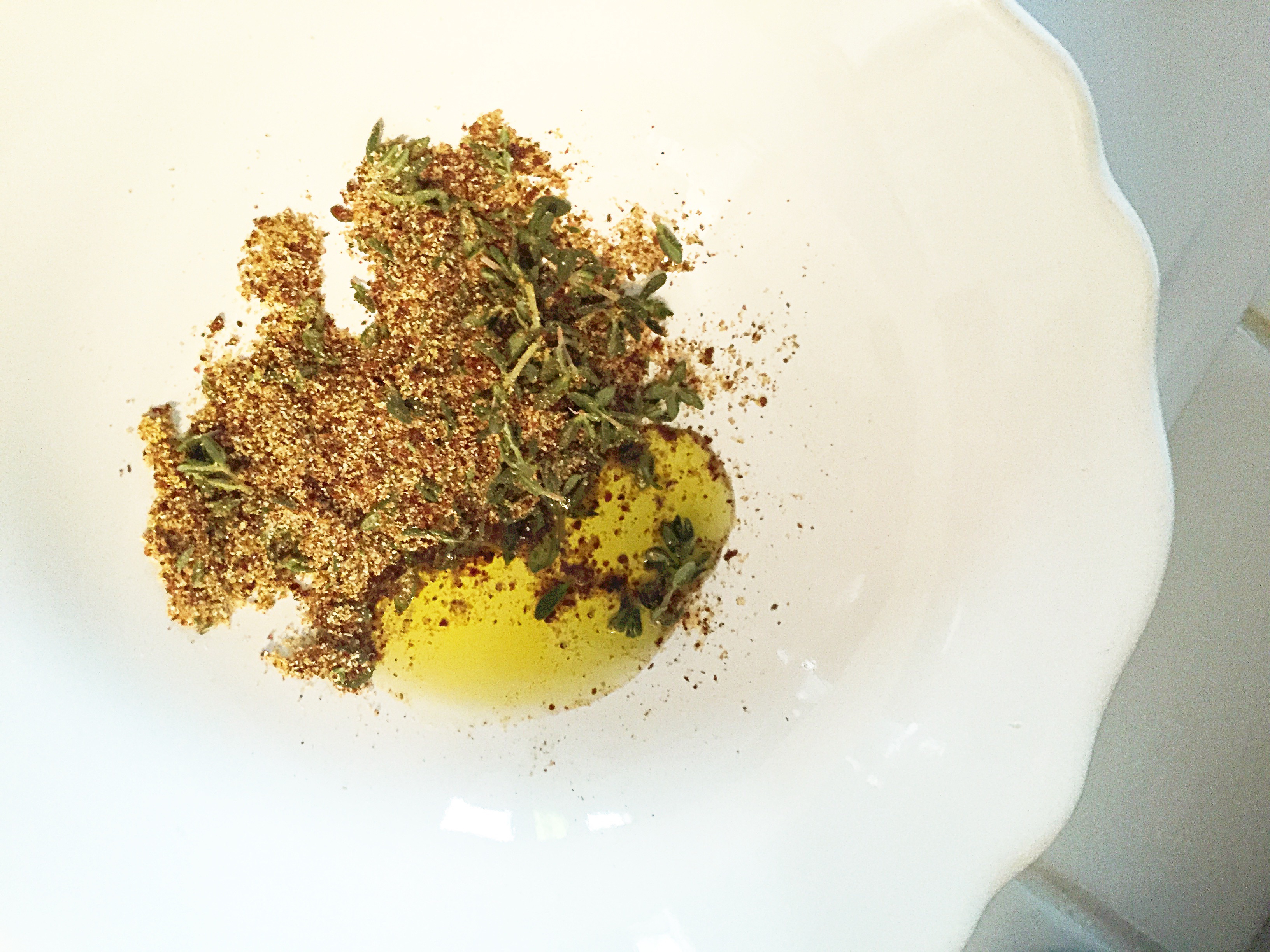
Directions: To a small bowl add the garlic powder, cumin powder, fresh thyme and oil, mix well and set aside.

image

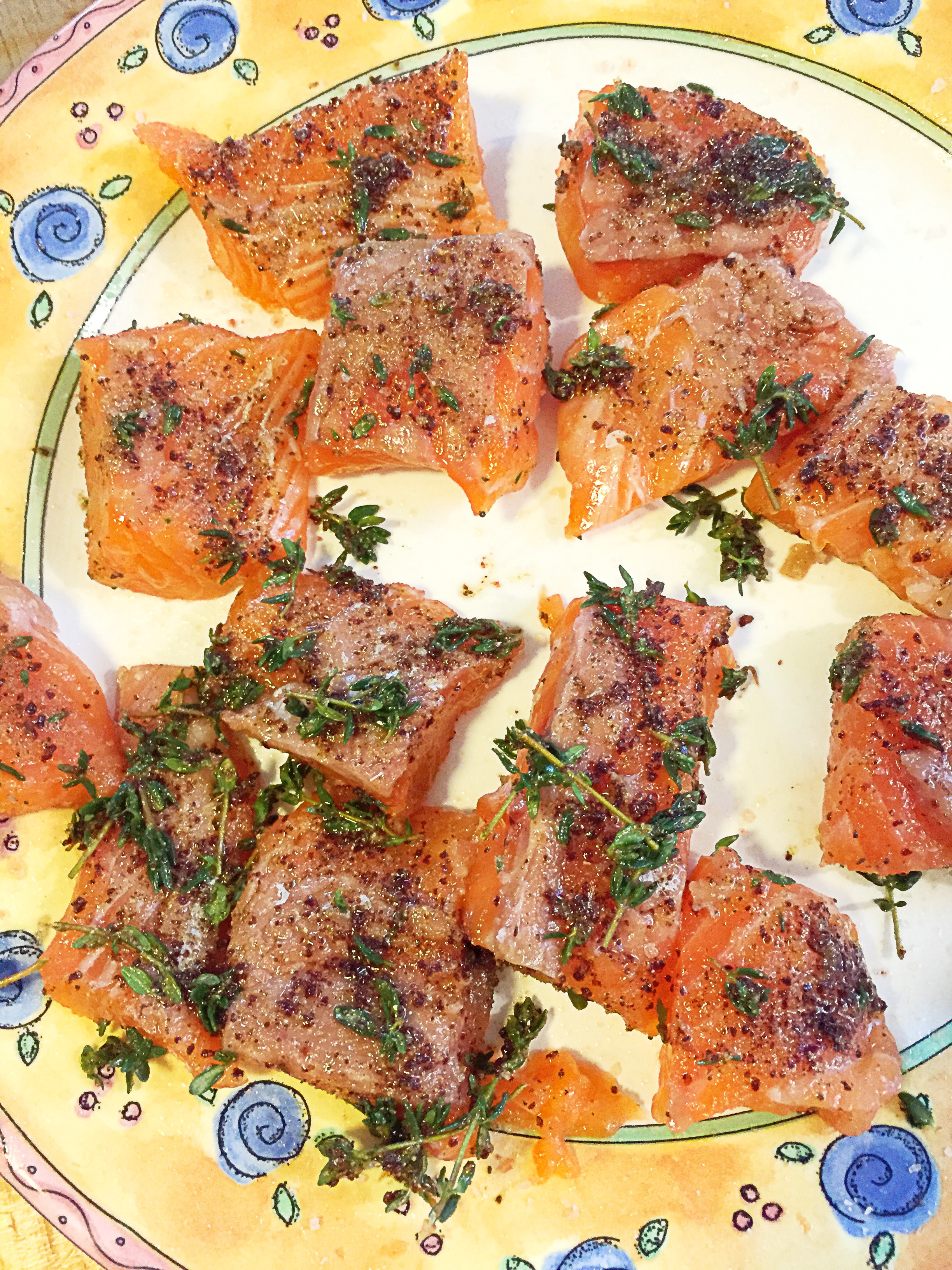
Rub the spice mixture on the salmon,

image


then add the salmon to skewers,

image


Grill the salmon for 3-4 minutes on each side, remove from grill, serve and enjoy!

image


Pineapple Rings–How to make dehydrated Pineapple Rings

Dehydrated Pineapple Rings

Dehydrated Pineapple Rings

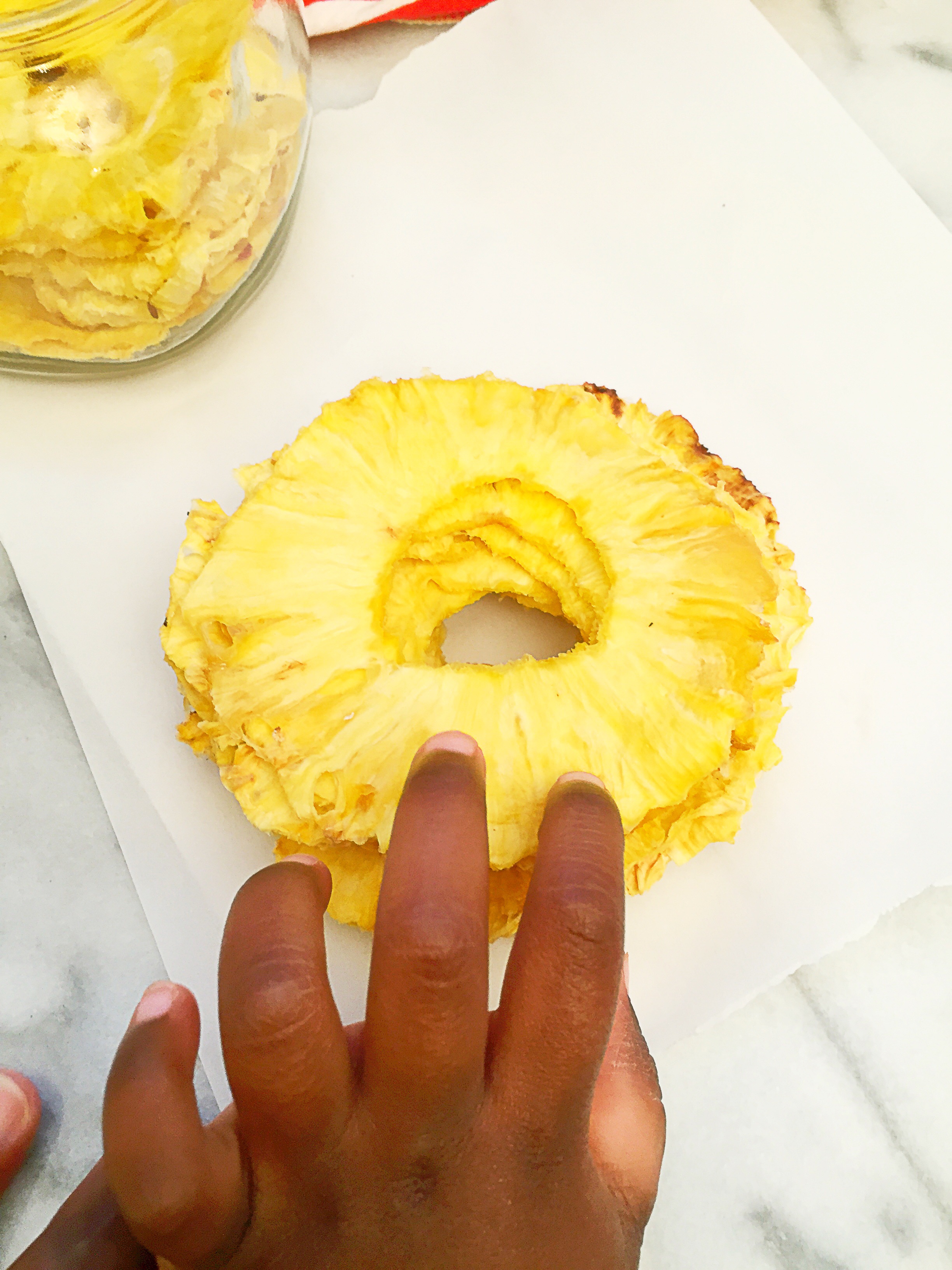
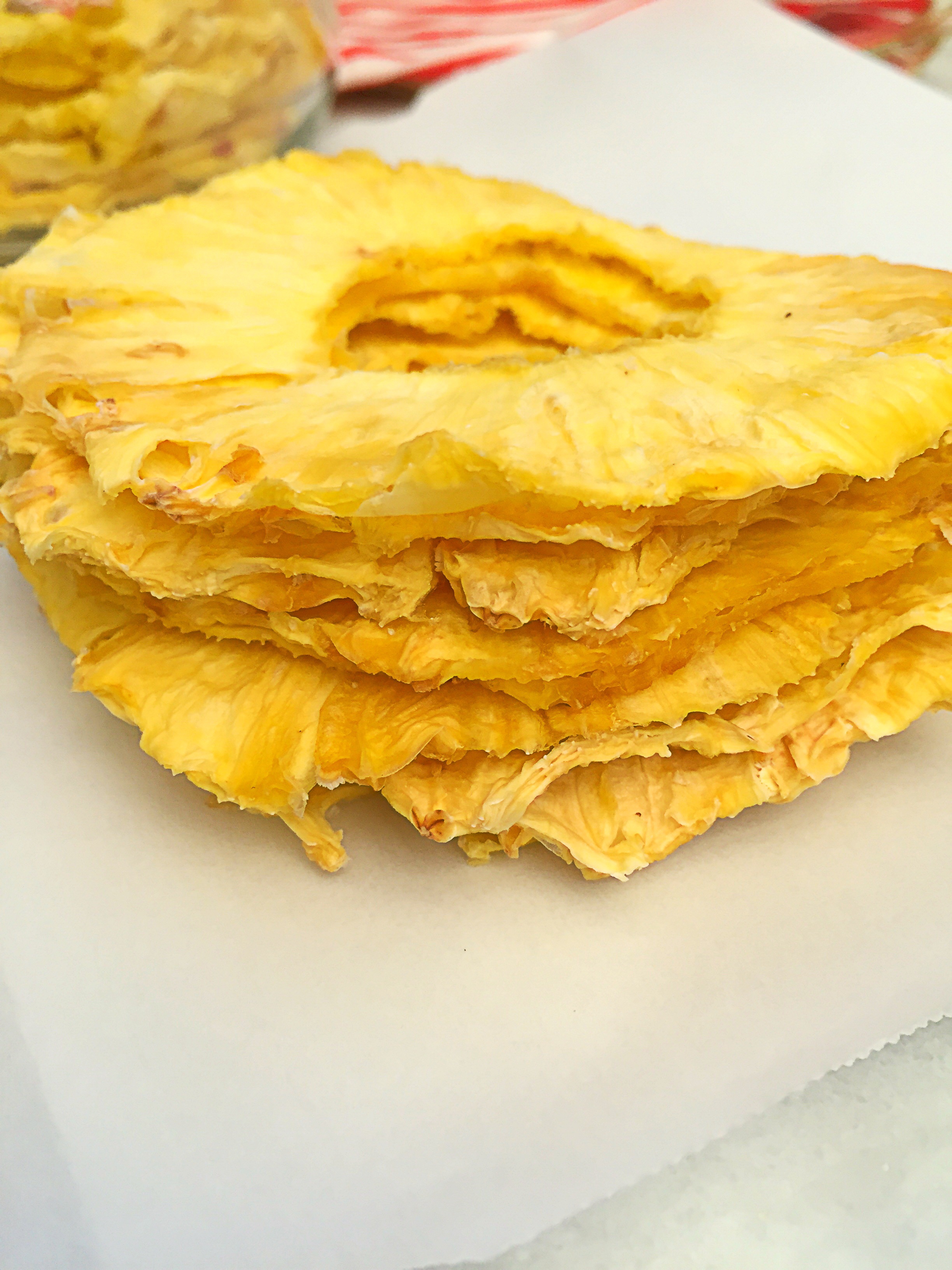
One of my go to snacks is dehydrated fruit.  I’m a particular fan of pineapple rings.  But, if you’ve ever purchased organic dehydrated pineapple rings, then you probably know that pineapple rings are a snack that can be out right expensive! I mean outlandishly expensive! On top of the expense, it’s pretty hard to find pineapple rings that haven’t been soaked in baths of sugar.  I’m not a fan of adding sugar to dehydrated fruit.  It’s sort of an oxymoron to me that sugar is added to dehydrated fruit at all, because if you know anything about dehydration–then you know that the sugar in fruits concentrate when dehydrated, so there really isn’t a need to add sugar–unless you’re dehydrating something really tart like cranberries then I could see the purpose of adding sugar. Last week I purchased a pineapple, I fully intended to eat it fresh. However,when I cut, and tasted it– it was pretty tasteless. Disappointing for sure. The pineapple clearly needed to ferment more.  Rather than chuck it, I sliced it and put it in the dehydrator and made pineapple rings. The resulting pineapple rings were not only flavorful, but they were sweet–everything you want would want in a fresh bite of pineapple–minus the juice of course.  The pineapple rings lasted all of 2 minutes, my sister in-law, my niece and Page, gobbled them right up–I’m pretty sure they would’ve passed on the fresh slices.

Pin It!


Prep time: 10 minutes

Cook time 6-8 hrs 10-12hr for thicker slices

Ingredients:

2 whole fair trade organic pineapple

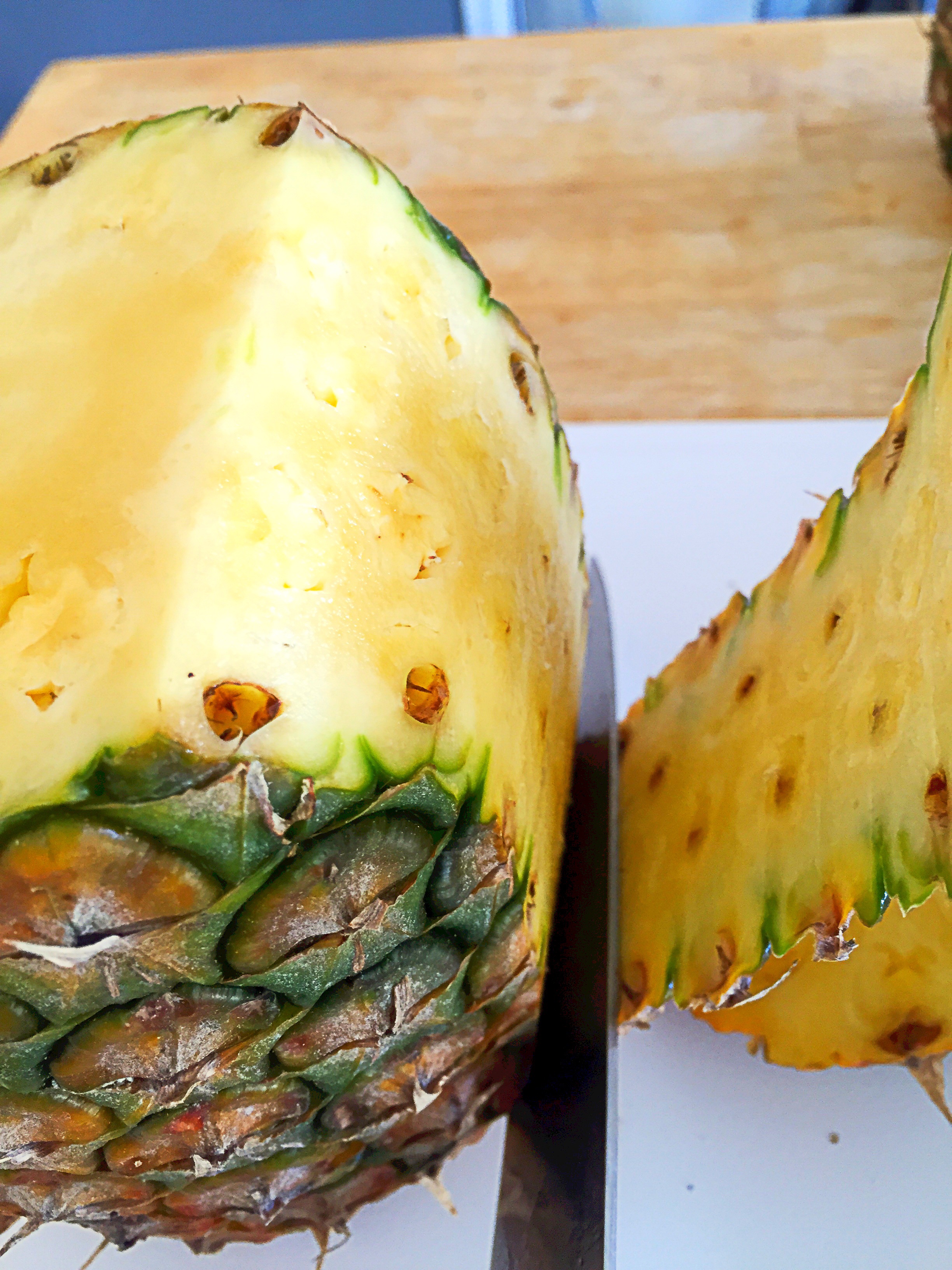
Directions: Remove the stem from the pineapple, then slice off the top and bottom.  Slice off the skin, making sure to remove all the eyelets.

image

Now slice the pineapple thinly.

image

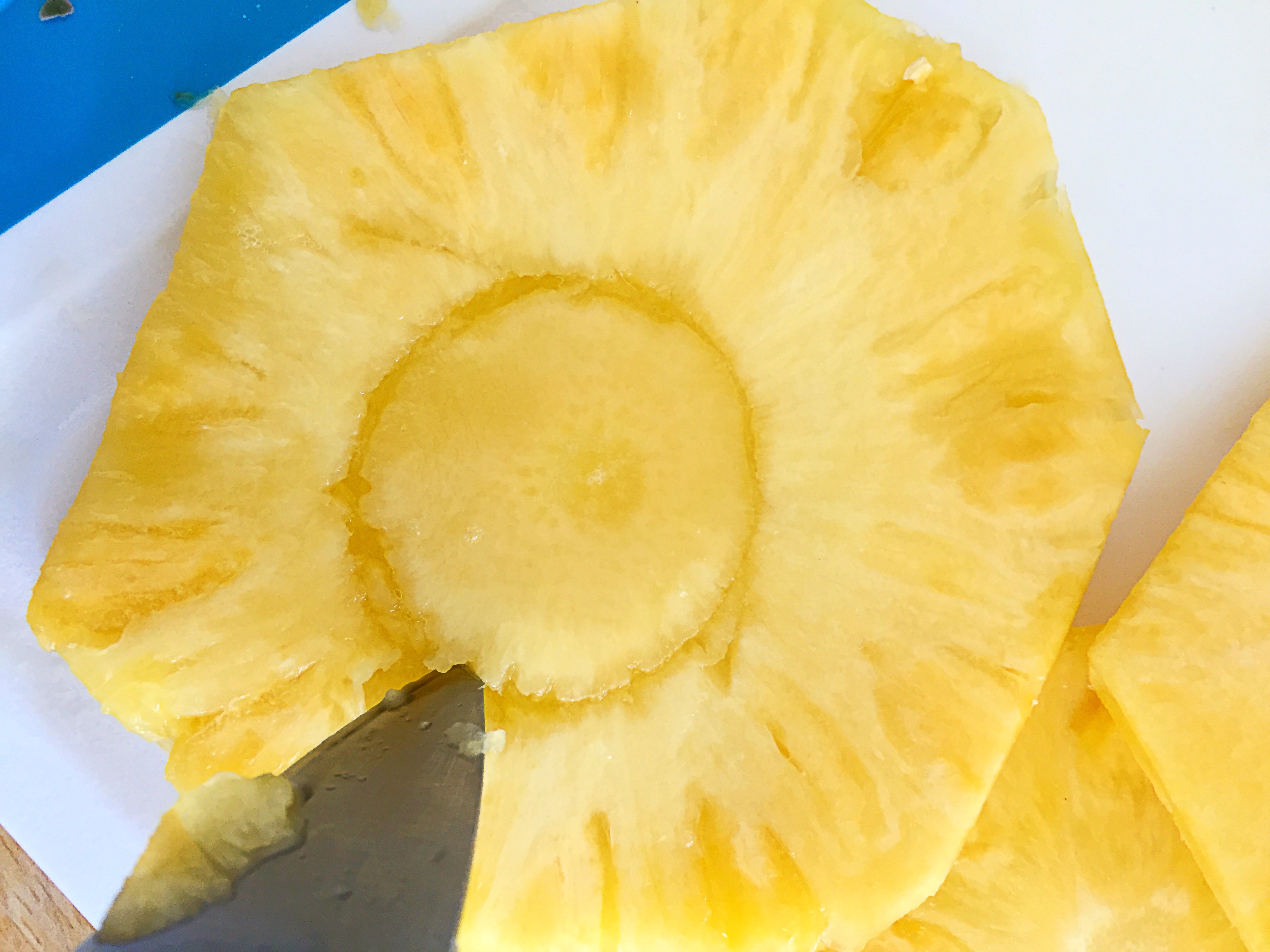
Keep in mind that the thicker you slice it, the longer it will take to dry.  If it’s too thin your pineapple rings will turn out crisp, if they are a bit thicker, they’ll be more leathery, so it’ just a matter of what you’re seeking in consistency.  After slicing, cut out the center core by carving a circular cut in the middle of the pineapple.

image

Remove the core and discard it.

image

Place the pineapple rings on your dehydrator sheet,

image

Set the dehydrator to 135F.  If you’re doing this in the oven, set the oven to 150F or the lowest possible setting.  Dehydrate for 6-8 hours, 10-12hrs if you cut thicker slices.

image

Once dry let cool, then enjoy!

image

Page could not wait for me to take a picture, she loves these so much!

image

image

if you like this recipe, try the recipe for my pineapple fruit roll-ups!

Creamy Caesar Salad Dressing

Creamy Caesar Dressing--DIY Caesar Salad Dressing

Creamy Caesar Dressing–DIY Caesar Salad Dressing

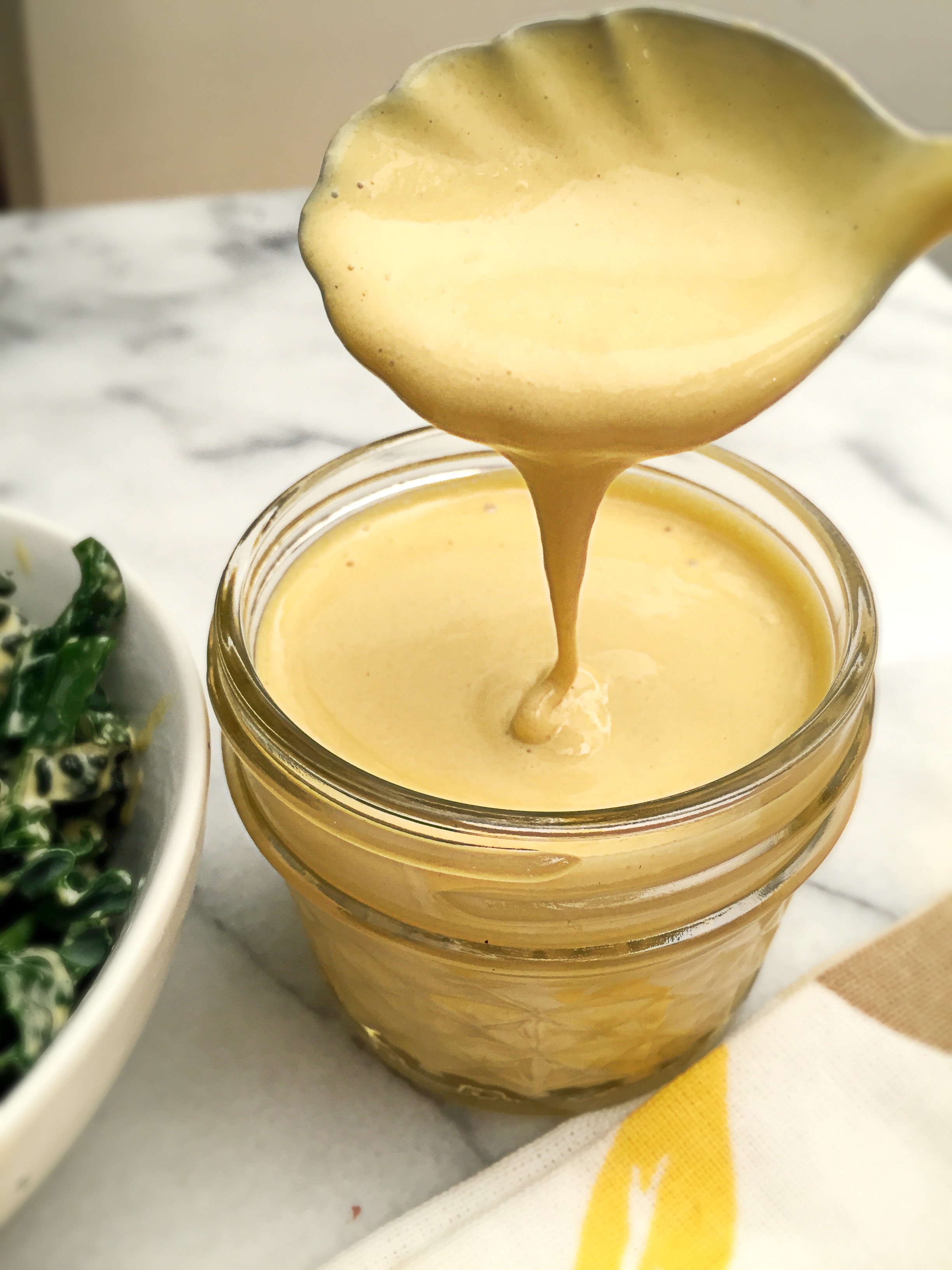
My latest obsession is salad.  Crispy and crunchy vegetables with a drizzle of oil, and a splash of citrus or vinegar–what’s not to love?  Salads are a great way to get in a few servings of fresh vegetables in their raw state.  As much as I love salads, they can become a bit boring if you don’t mix things up a bit.  The easiest way to do that is to switch out the vegetables and the dressing.  I often make caesar salads with romaine lettuce, but sometimes I switch out the romaine and replace it with baby kale, or lacinto kale.  It makes for a hearty salad and an especially delicious twist to the standard caesar  salad, we are all used to.  I’ll post the recipe I use for the kale caesar another day, but today, I’m sharing my recipe for my favorite creamy caesar salad dressing.  It’s my go to dressing, when I crave a creamy salad dressing.

Pin It!

Prep time: 10 minutes

Cook time: none

Ingredients:

1 clove of garlic pasted

2 Tablespoons of lemon juice

1/2 teaspoon of worcestershire sauce

1 tablespoon of anchovy paste

2 large egg yolks

1/4 cup grape seed oil

5 teaspoons of olive oil

3/4 cup of freshly grated parmesan cheese

black pepper to taste

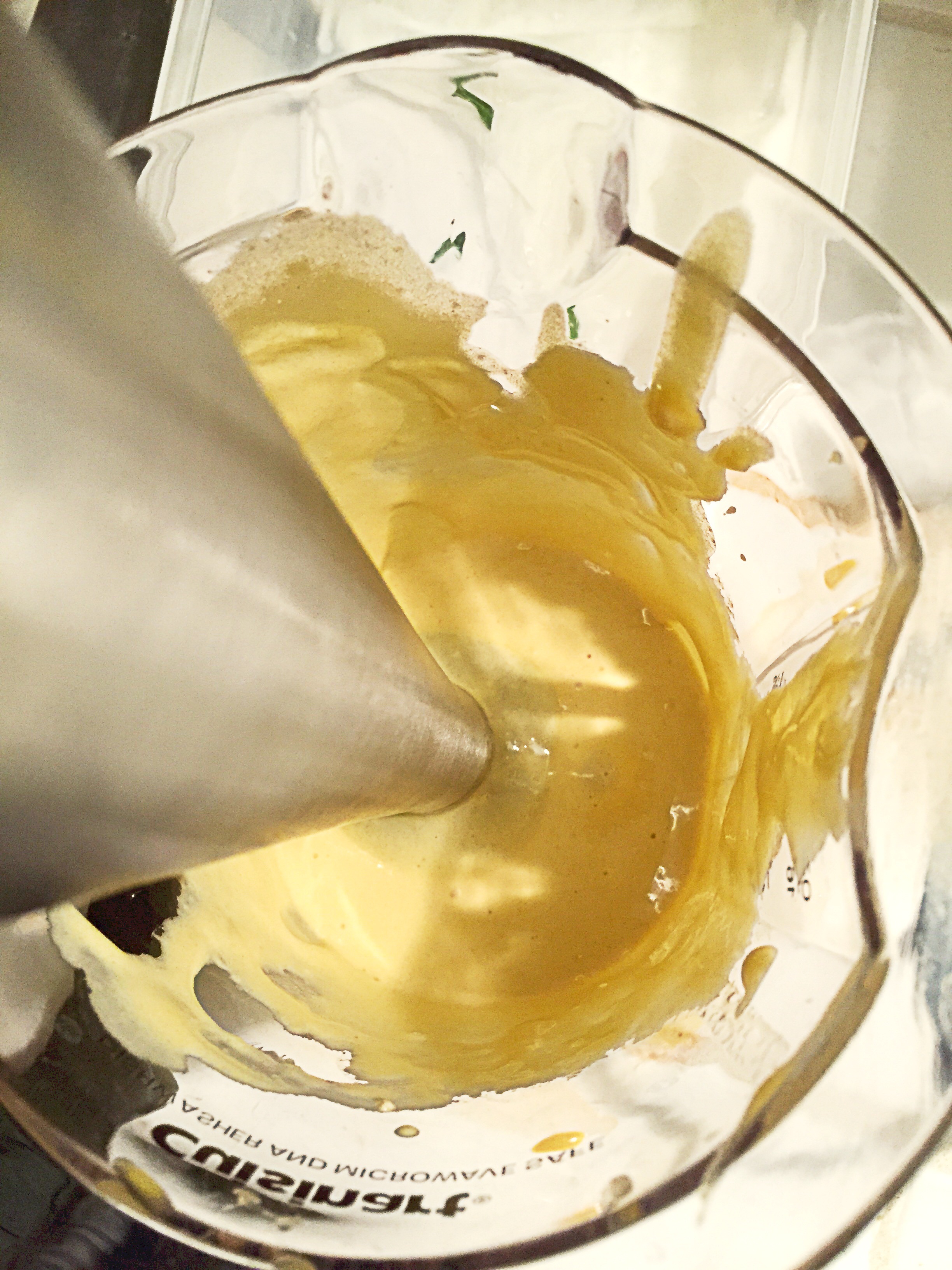
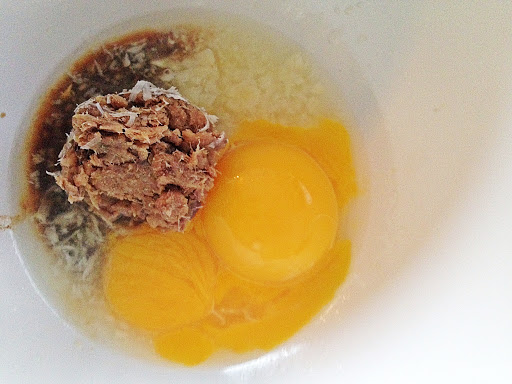
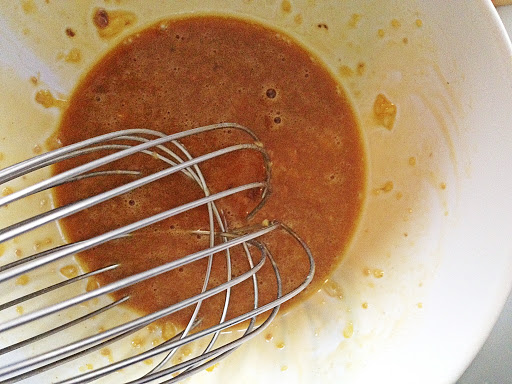
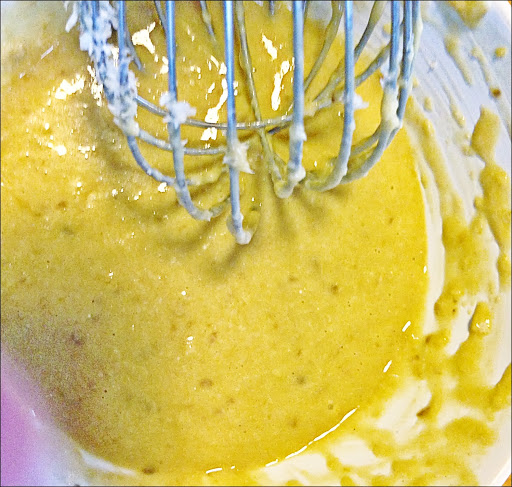
Directions:  To a small bowl add the grated garlic and lemon juice, allow to sit for 10 minutes.  If you have a hand mixer like I do, add the lemon garlic mixture, (after it sits for 10 minutes), and the rest of the ingredients to a bowl and mix until the mixture thickens–about 1-2 minutes.

image

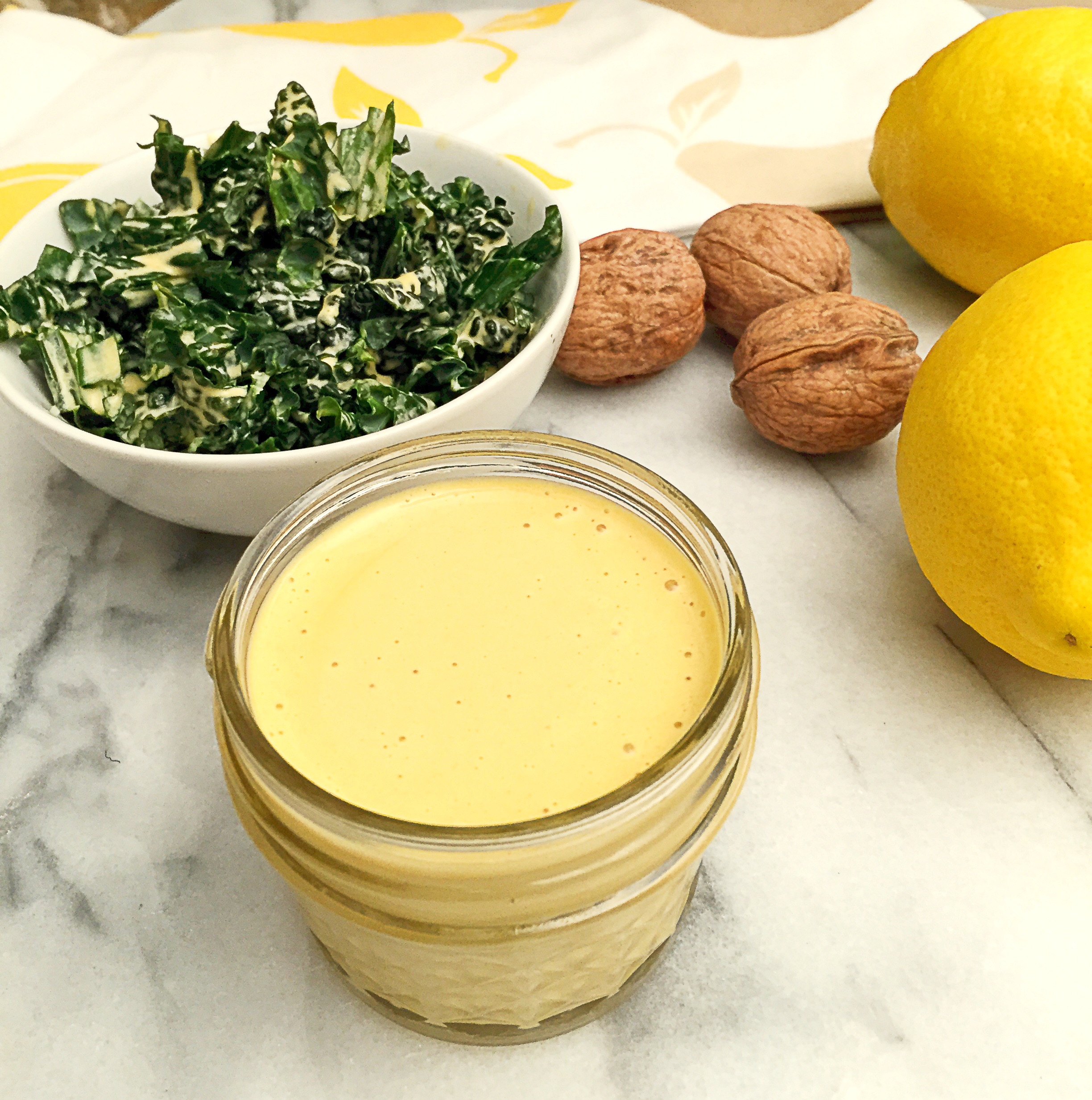
Transfer to an air tight container and chill until ready to use.

image

If you don’t have a hand mixer,  whisk worcestershire sauce, anchovies, and egg yolks into garlic/lemon juice mixture.


While whisking, drizzle grape seed oil and extra virgin olive oil into bowl in slow, steady stream until fully emulsified.


 Add 3/4 cup Parmesan and pepper to taste; whisk until incorporated:

image

Cauliflower Pizza Crust–How to make Cauliflower Pizza Crust

image

Cauliflower Pizza Crust


I’m trying to find different ways to serve vegetables to Page.  She has a new found love for pizza–before she wasn’t at all impressed.  Recently, I’ve started to get her involved in helping me to make the meals we’re eating.  I saw a food documentary about food, and kids.  In it the narrator said that the best way to get kids to eat vegetables is to have them take part in cooking. Page is at that age where she’s very eager to help, so I thought why not take advantage of that.   I’ve also really wanted to try out a cauliflower pizza crust on our new baking steel.  I have to say that I was more than impressed with the results–so was Page.   Now for those of you wondering if this will taste anything like that delicious yeasty bread that you’re used to with pizza–the short answer is no.  Bread is bread–this is an alternative to bread.  Although it’s not bread–it mimics bread in form, and it is so delicious that it stands on it’s own.  The reason cauliflower is most often used by people as a substitution for grains is because it has such a mild flavor.  It also has great texture. This recipe requires that you add cheese.  I used parmesan, but you could use mozzarella, or pecorino, or a combination of your favorite Italian cheeses.  I also used fresh basil, but you can use rosemary, or another herb of your choosing, dried or fresh–totally up to you.

Pin It!


Prep time: 10 minutes

Cook time: 15 minutes

Ingredients:

1 small head of cauliflower

1/4 teaspoon of garlic powder

1/4 teaspoon of truffle salt

1 tablespoon of finely chopped fresh basil

1 cup of freshly grated parmesan–or cheese of your choice

1 egg

Directions: Pre-heat your oven and pizza stone or baking steel  to 450F for 45 minutes. Steam the cauliflower for 5-7 minutes–or until fork tender.

image

Transfer cauliflower to a processor and process until cauliflower looks like grains of rice.

image

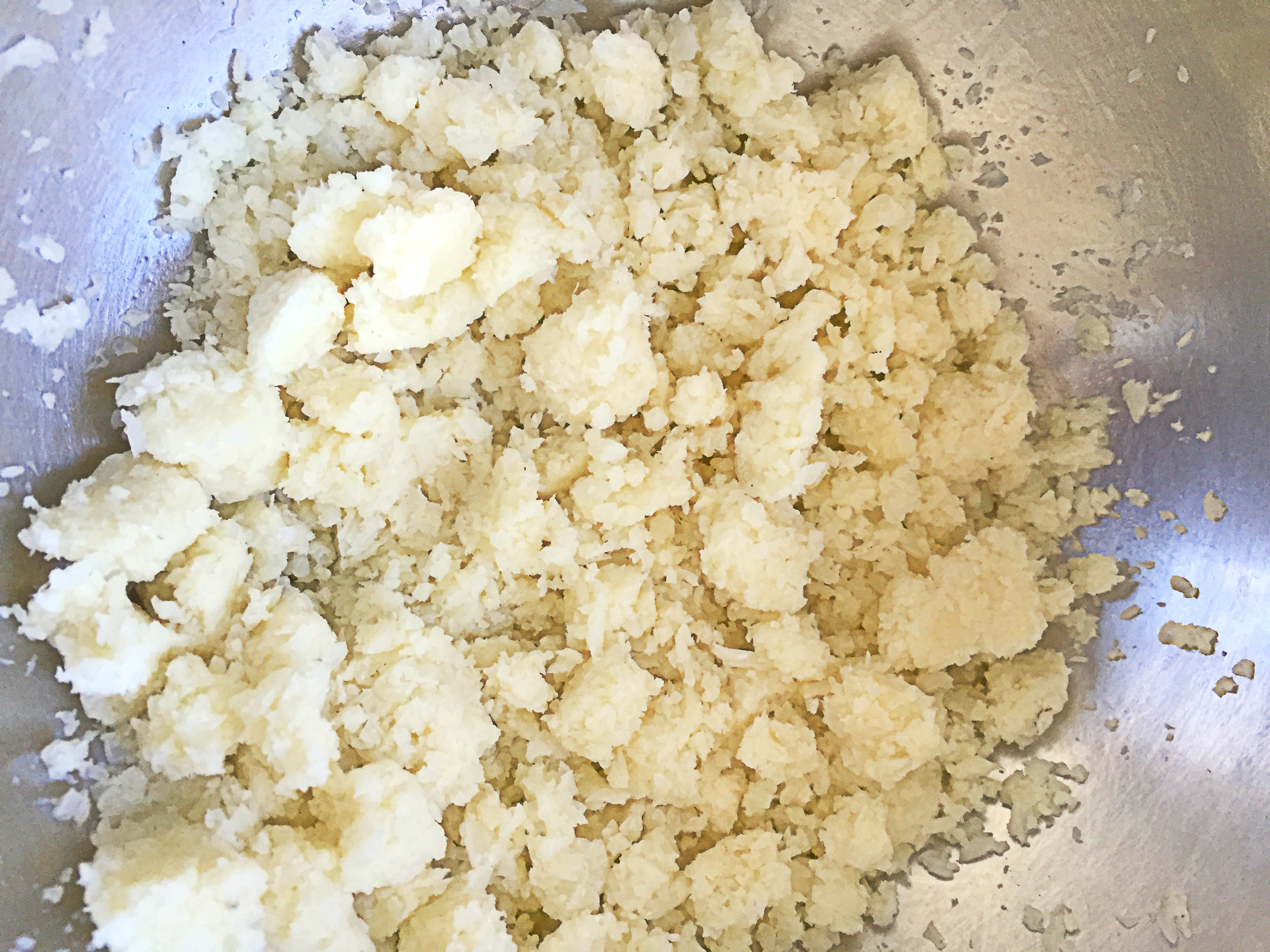
Transfer processed cauliflower to a clean kitchen towel, or a nut milk bag, and squeeze until the cauliflower becomes dry.  You want to squeeze out as much water as you can.

image

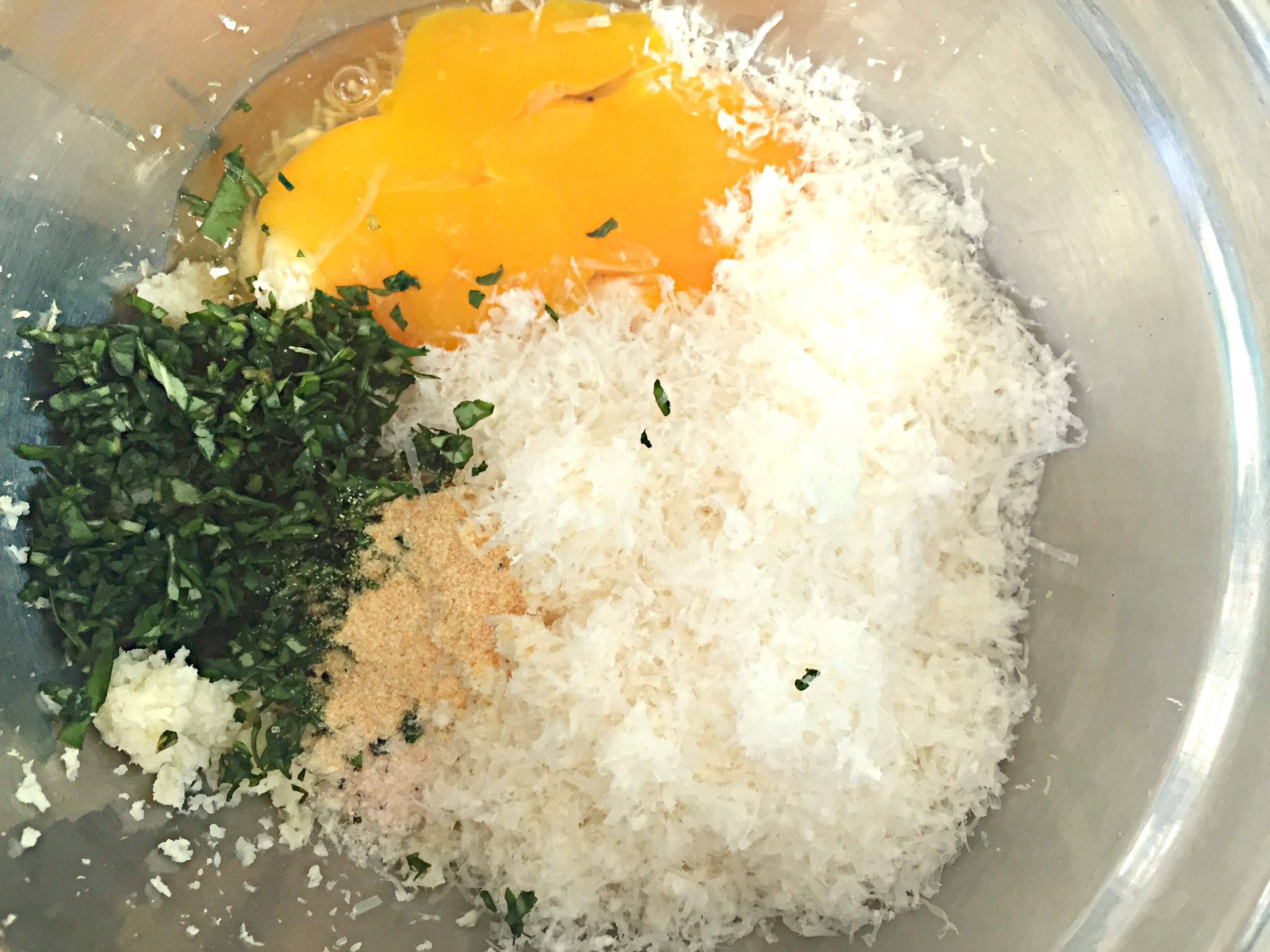
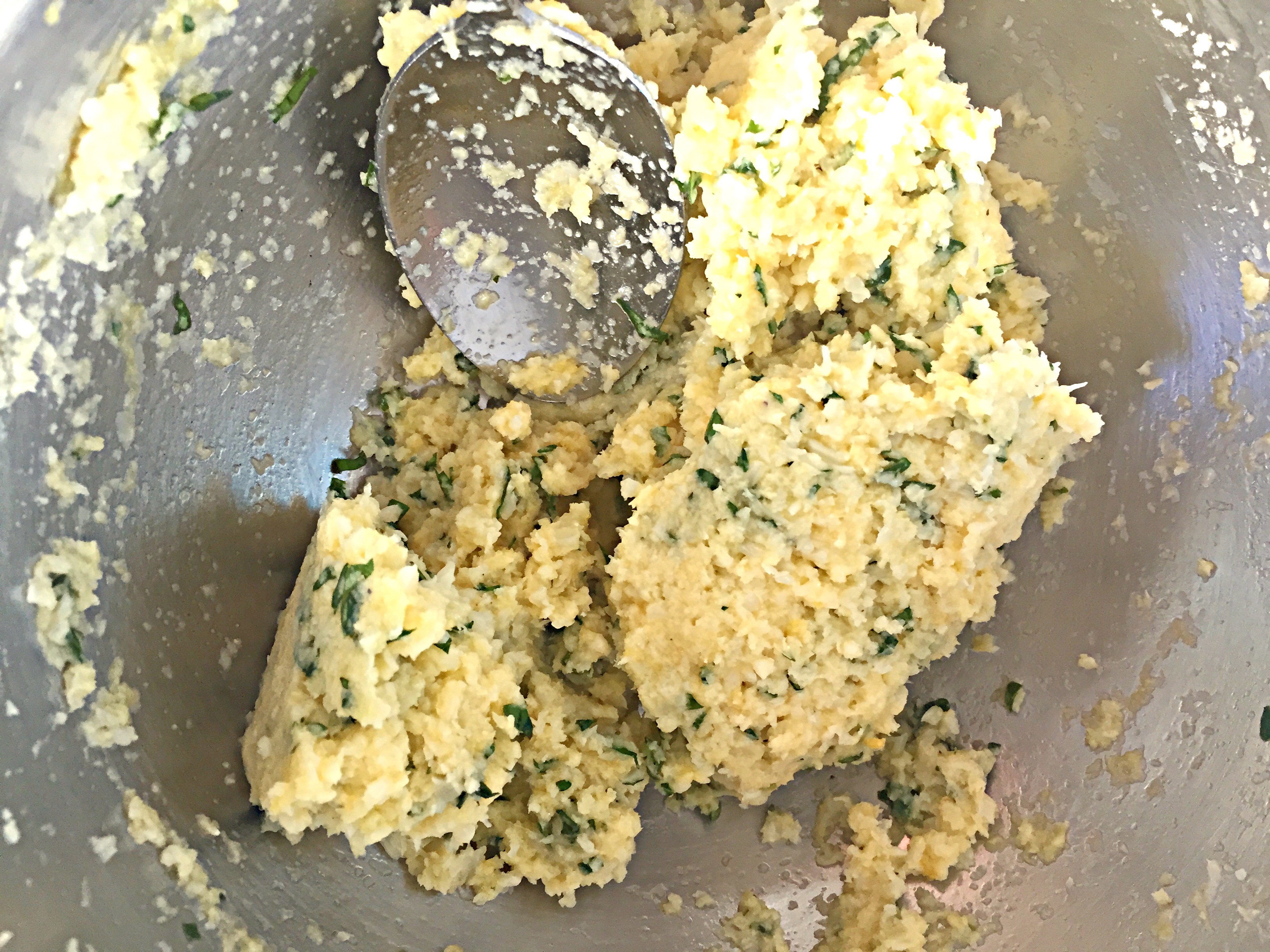
Transfer the cauliflower to a medium size bowl, and add garlic powder, salt, basil, and cheese–mix together into a ball.

image

image

image

Spray a sheet of parchment paper with oil.  Add the cauliflower mixture to the center of the parchment paper, and with your hands begin to flatten and form it into the shape of a pizza.

image

image

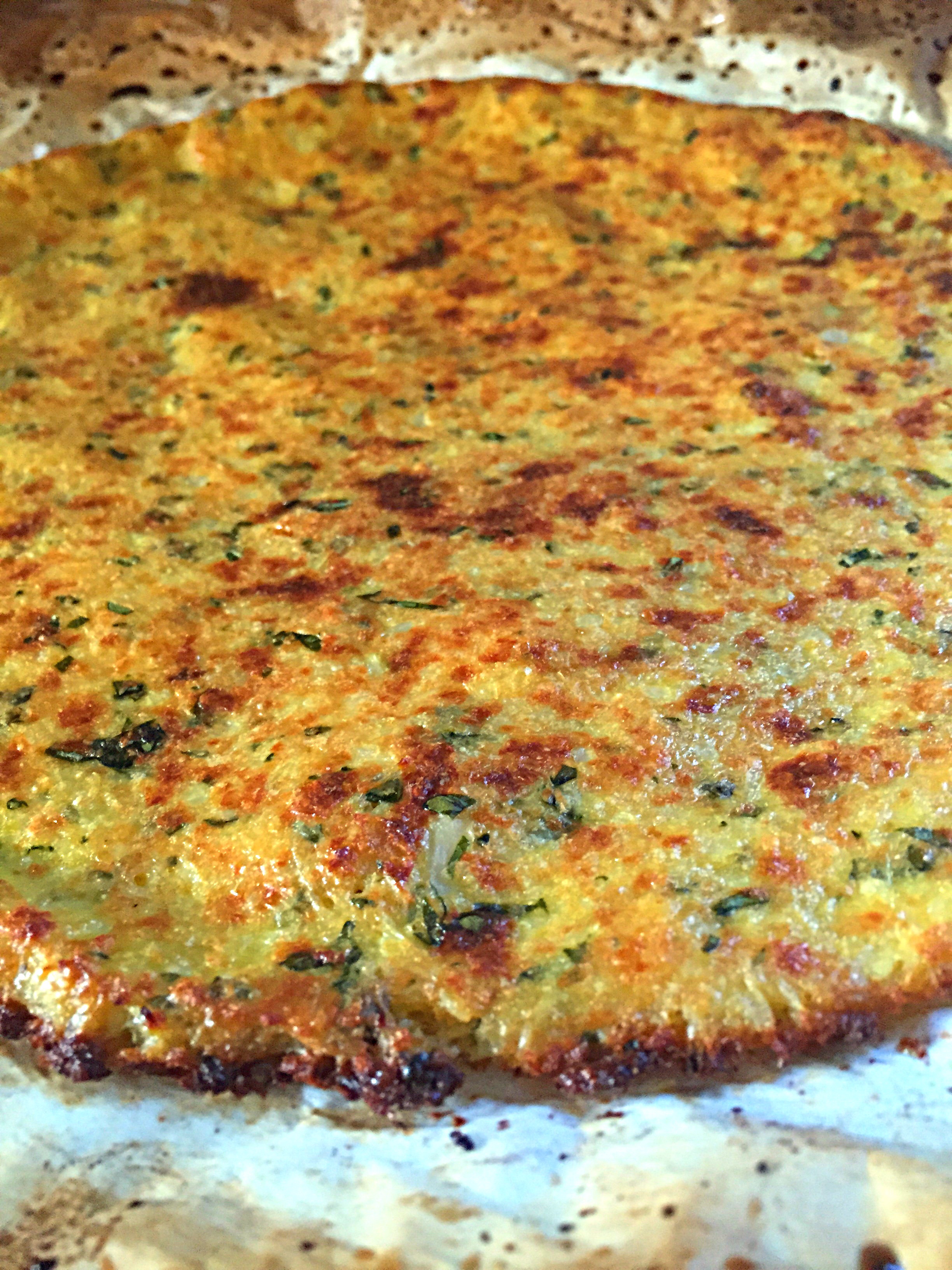
Once you have the shape you want, place it in the oven for 10-12 minutes.

image

Once it’s golden brown and bubbly like this:  remove it from the oven.

image

image

Now you can top it with your favorite tomato sauce, cheese and toppings.

image

Once you have it topped, place it in the oven to cook until the cheese and topping melt.  Remove from oven, cut serve and enjoy!

image

This made a 10-12 inch pizza, not a crumb was left over.  Everyone enjoyed it–my husband didn’t even know that the crust was made from cauliflower until Page told him! If you like this try my recipe for Tortilla Pizza!

Lemon Infused Oil-How to Make Infused Cooking oil with a Slow cooker or Sous Vide circulator


Sous Vide/Slow cooker Lemon  Infused Oil

Sous Vide/Slow cooker Lemon Infused Oil

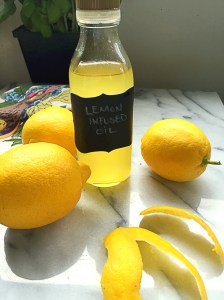
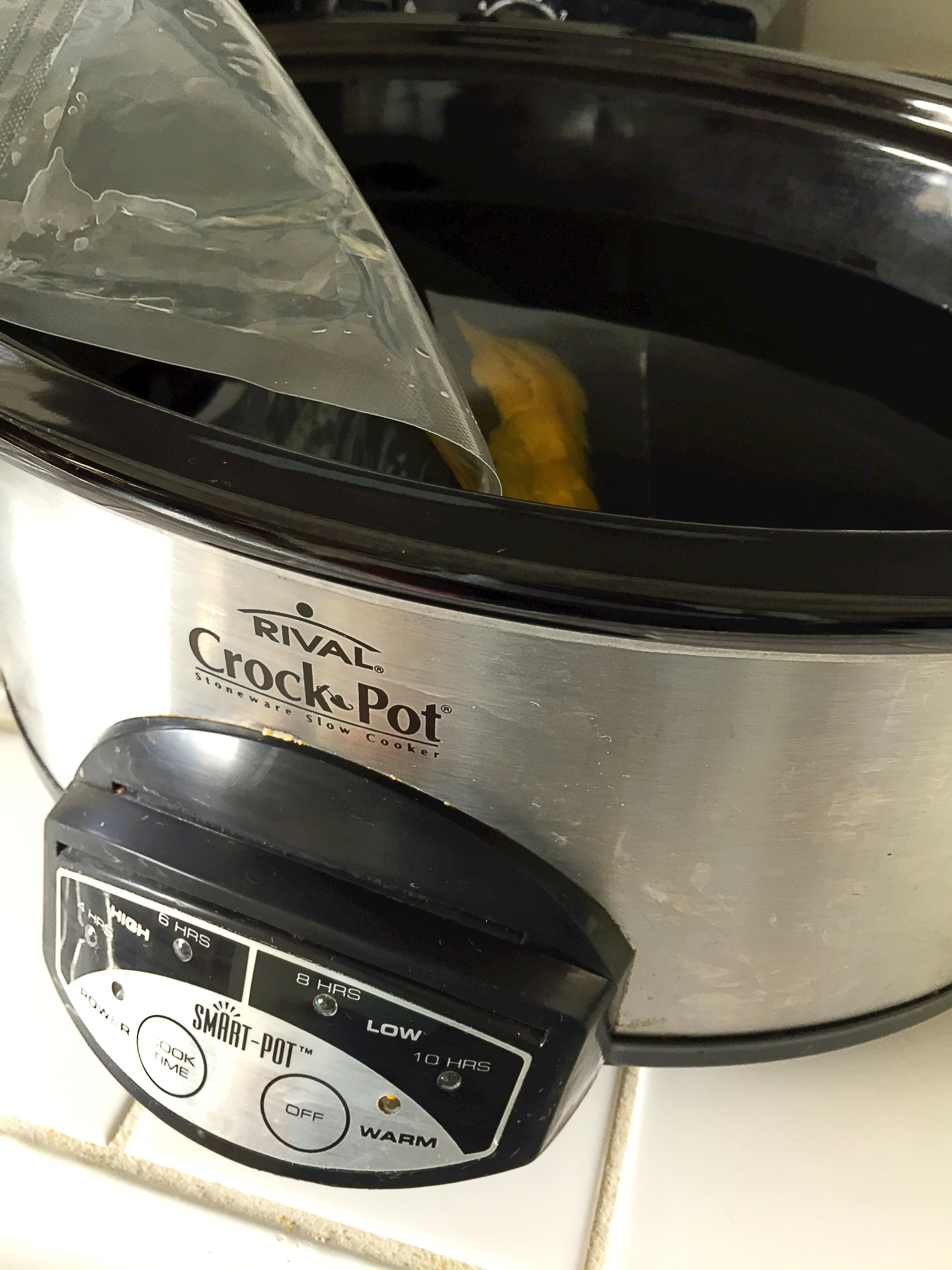
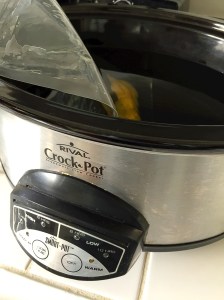
I’ve always wanted to try my hand at making infused oils.  I buy them all the time, but they are a little on the expensive side, so making my own seems like the better value.  Infused oils are a great way to layer flavor in almost anything, be it  a salad, warm or cold, or as a highlight to fish,  potatoes or a finish to a hummus.  The process is super simple–especially if you use a slow cooker or a immersion circulator.  I had originally planned to make this with my immersion circulator, but I didn’t want to exclude a lot of you from making it.  So I borrowed my mom’s crock pot, so that I could adapt this recipe to fit the needs of a slow cooker.  Sous vide and slower cookers have a lot in common, both cook food at low temperatures.  Immersion circulators offer the option of cooking at even lower temperatures than slow cookers.  If you have a slow cooker that has the option of allowing you to set exact temperatures then you’re ahead of the game.  If your slow cooker only has a low, medium, high, or warming settings, don’t fret, you can make this.  My mom’s slow cooker has a high, low and warm setting.  I went online and did some research on what exactly those setting are and found out that the low temperature setting on slow cookers is 200F, the high is 300F and warm is 145-165F.  I planned to set my circulator to 131F for 3 hours for this recipe, so the warm setting on my mom’s slow cooker was more than sufficient to match that. In fact it was sufficient enough to allow me to shave off a few minutes from the 3 hour cook time.  I did not, because I was busy doing other things while the oil was in the slow cooker, but if you’re anxious, you could take 15 minutes off of the cook time.  I made this lemon infused oil in both my immersion circulator and my moms slow cooker–set a timer for 3 hours for both.  The results were identical.  The lemon was nicely infused in both oils.  I used avocado oil, but this can be done with olive oil, grape seed oil, or any oil that you choose.

Pin It!


Prep time: 5 minutes

Cook time: 3 hours

Ingredients:

1 cup of avocado oil–or oil of your choice

peel of 2 medium sized lemons

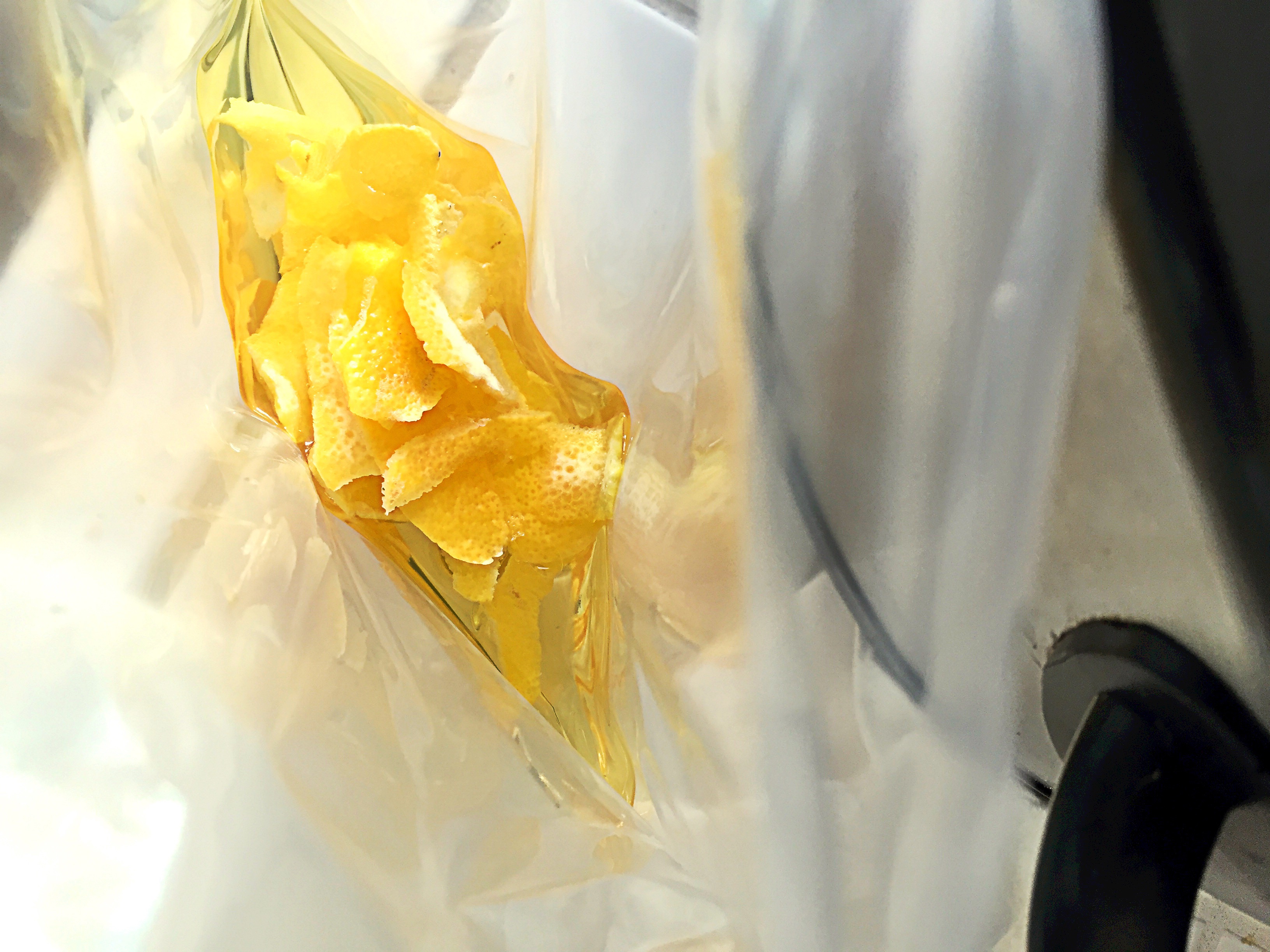
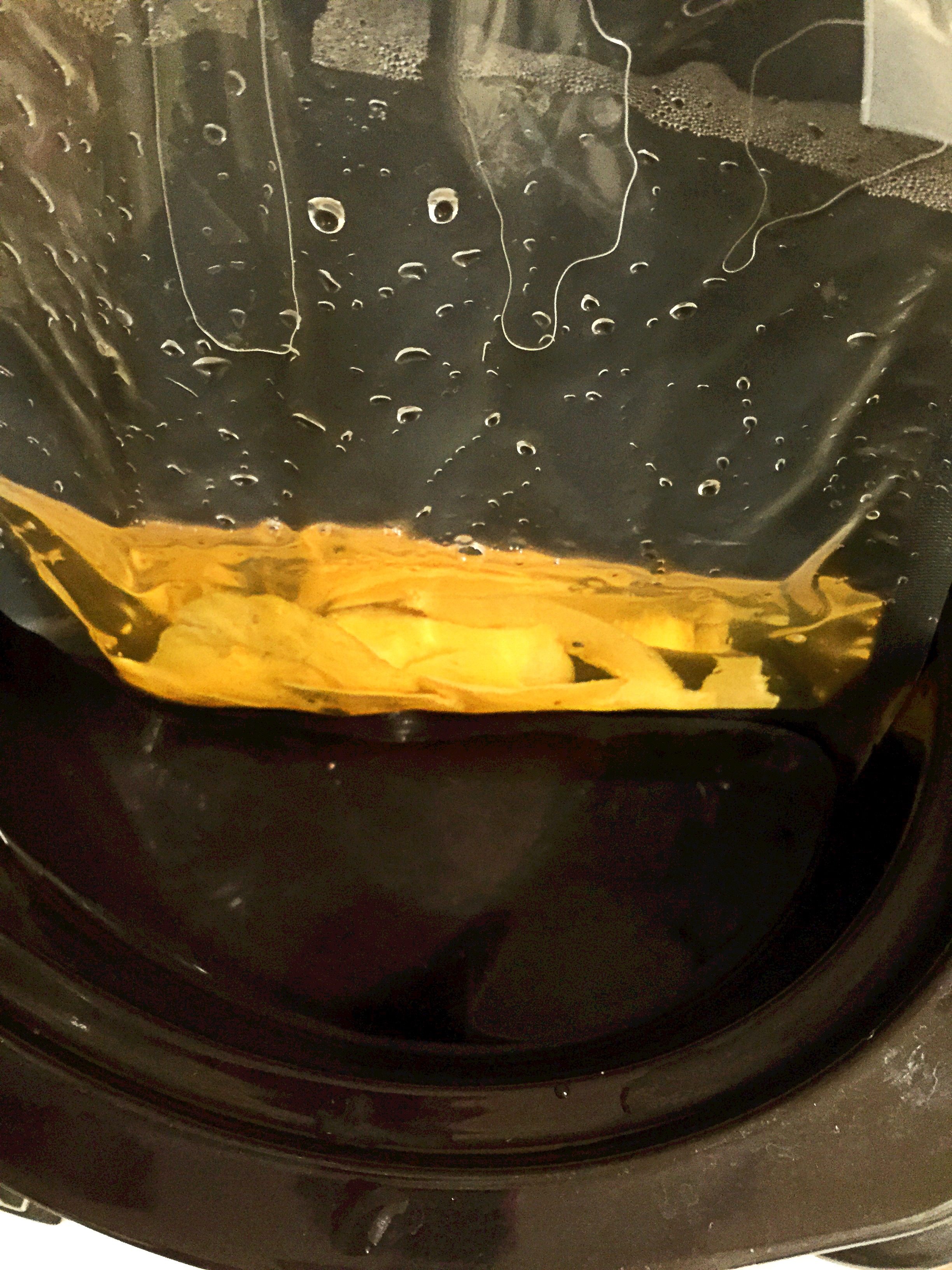
Directions for slow cooker:  fill slow cooker with water and set to 131F,–if your slow cooker has an exact temperature setting– or set it on the warm setting–low if your pot doesn’t have a keep warm setting. Place oil in a bag, then add lemon peels–making sure to bend and twist them to release oils.

image

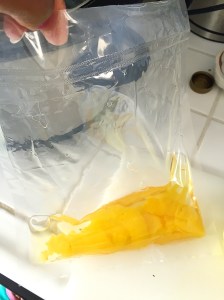
If you’re using a ziploc bag place the bag in the slow cooker and seal using the water displacement method, then cook for 3 hours.  If you have a vacuum chamber sealer that allows you to seal liquids like I do, then seal the oil and lemon mixture in a bag for 10 seconds with a 1.5 second seal.
image

image

image

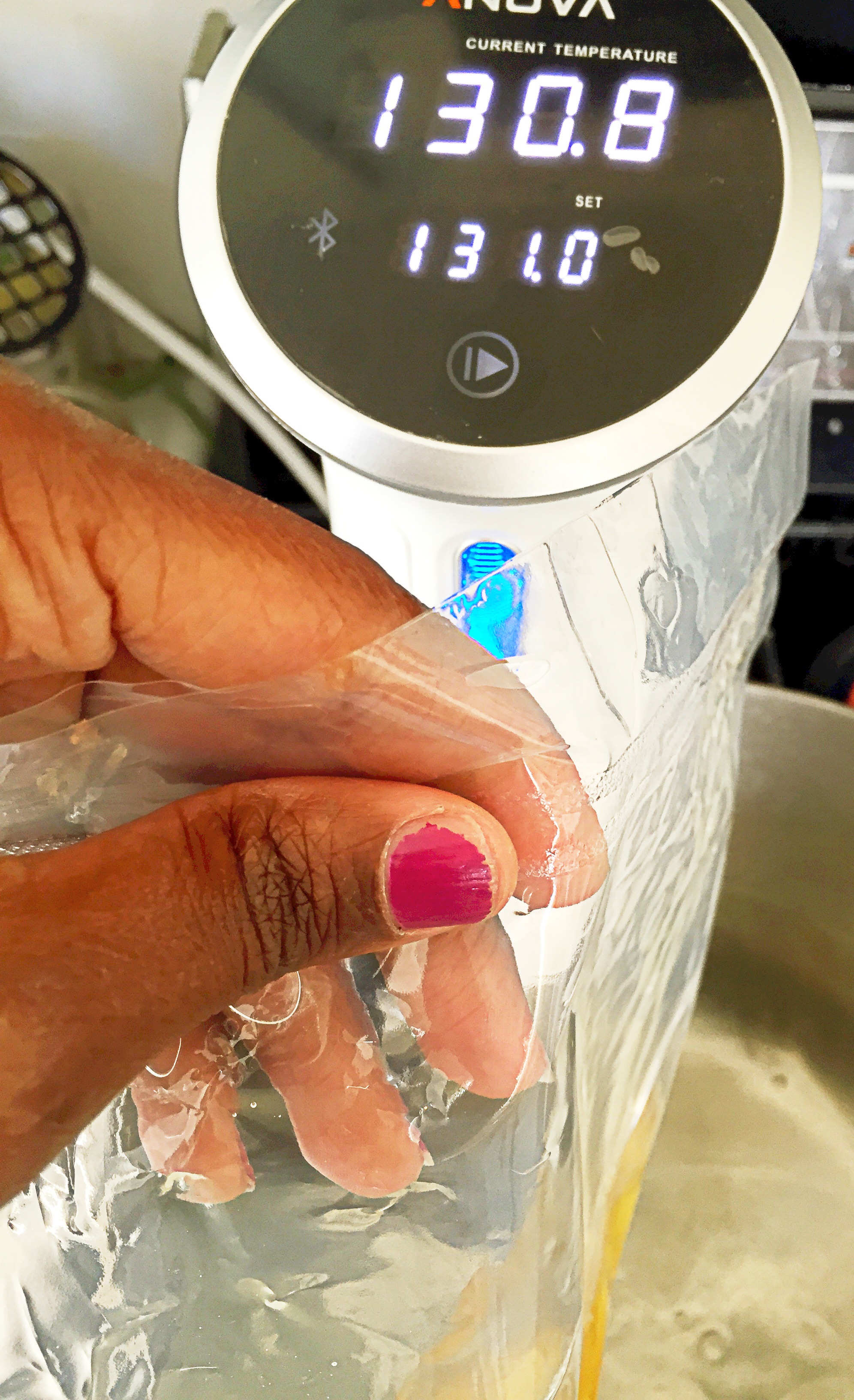
Directions for Sous vide:  Fill a pot or container with water, then set the circulator to 131F and wait for the water to come to temperature. Meanwhile add the oil and lemon peels to a bag–making sure to bend and twist them to release oils.

image

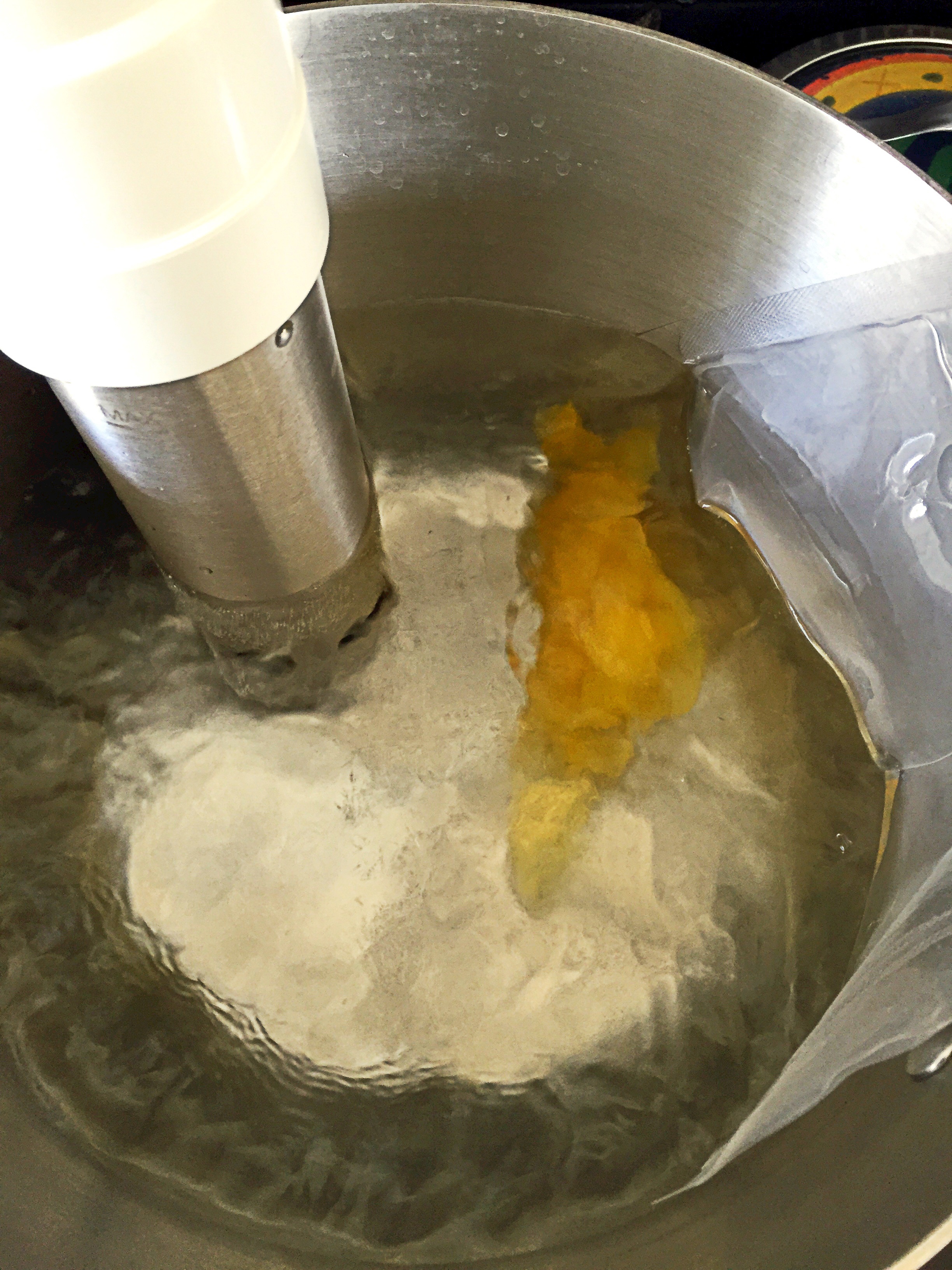
If you’re using a ziploc bag place the bag in the water bath and seal using the water displacement method, then cook for 3 hours.  If you have a vacuum chamber sealer that allows you to seal liquids like I do, then seal the oil and lemon mixture in a bag for 10 seconds with a 1.5 second seal.

image

At the 3 hour mark, carefully remove the oil from the water–remembering that even at 131F-165F water is very hot.

image

Transfer the oil to a clean container–removing all of the peels–you can leave one or two for decoration if you’d like.

image

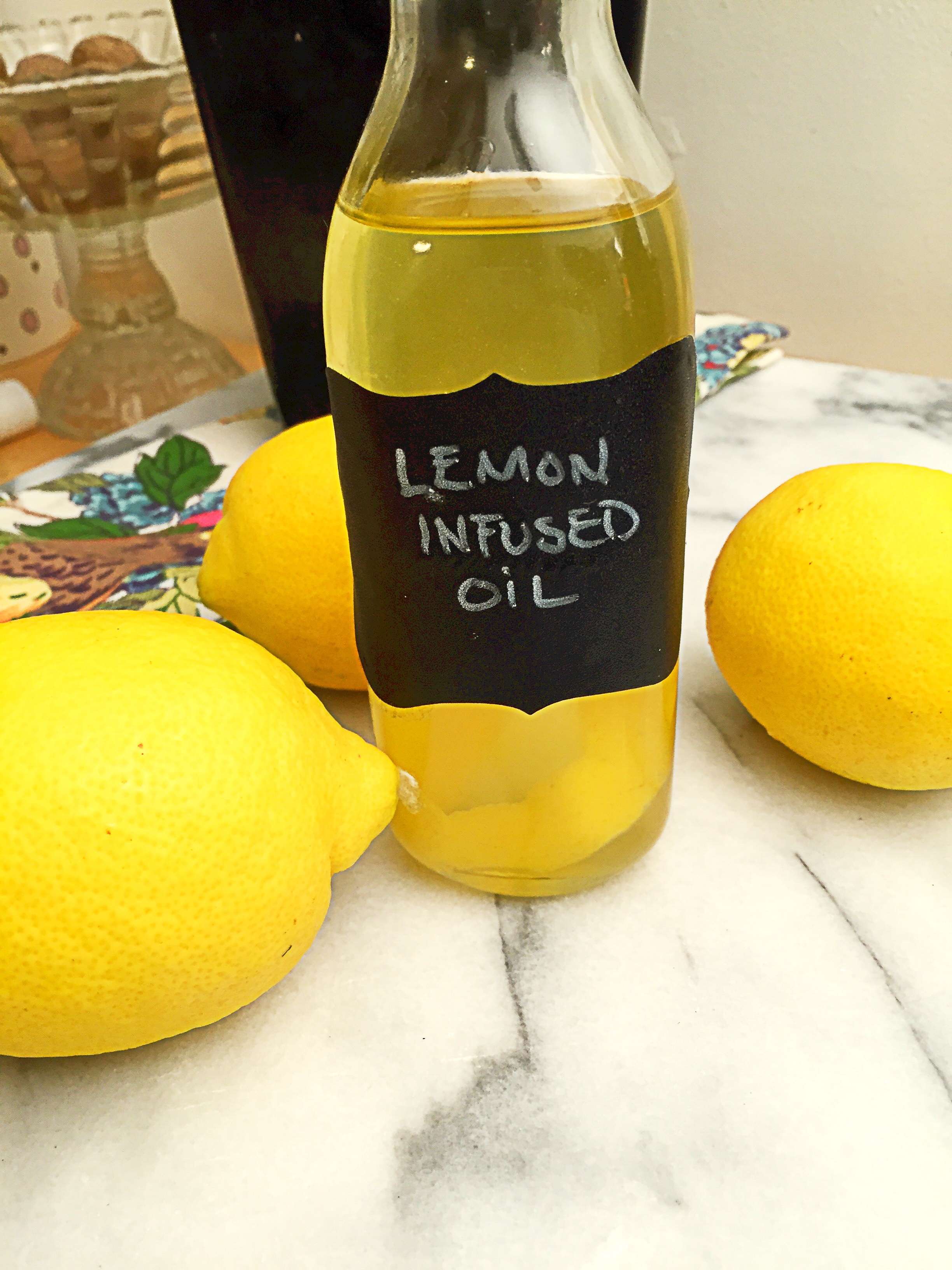
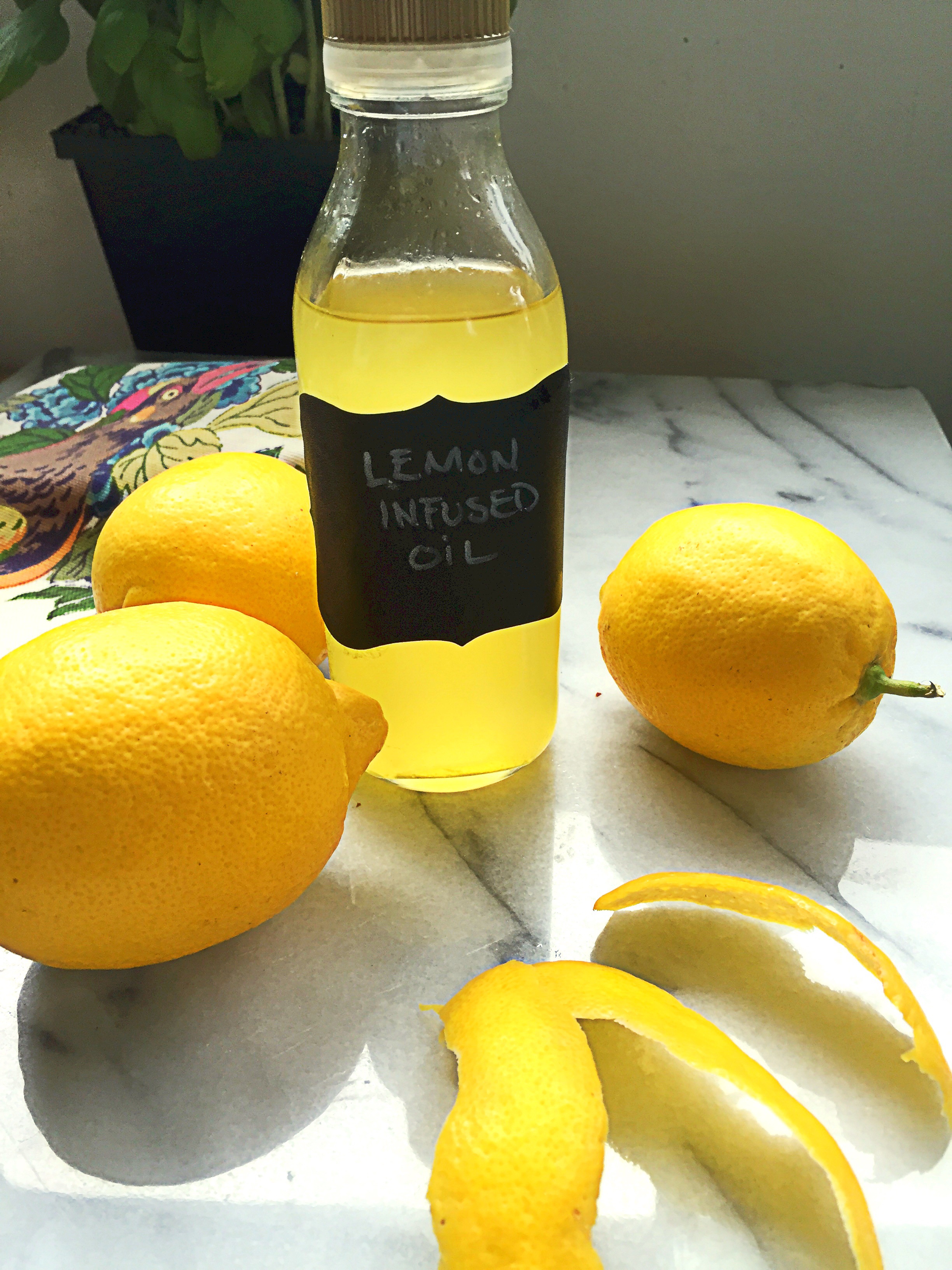
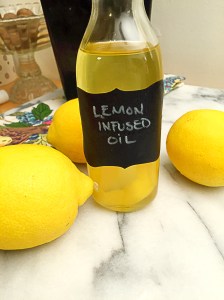
The lemon oil is ready to use. There are so many uses for this oil.  Drizzle a little on avocado toast, or on roast chicken–the uses are endless and always delicious!
image


image


Rosemary, Garlic, & Lemon Pototoes

image

Rosemary, Garlic, and Lemon Potatoes


One of my husbands favorite side dishes.  He is a lover of all things potato, so I’m constantly trying to switch up the way that I cook them. The easiest way for me to do that is to switch up the herbs.  In this case fresh is best! The fresh rosemary really makes these potatoes sing! The pungent and earthy flavor of fresh rosemary paired with the lemon and garlic, make for a delicious potato dish!

Pin It!


Prep time: 5 minutes

Cook time: 10-15 minutes

Ingredients:

4 medium organic potatoes (cubed skin on)

1 Tablespoon of fresh organic rosemary finely chopped

1 teaspoon of garlic finely chopped

1/2 teaspoon of lemon powder (can sub the zest of one small lemon)

4-5 Tablespoons of grape seed oil

Sea salt to taste

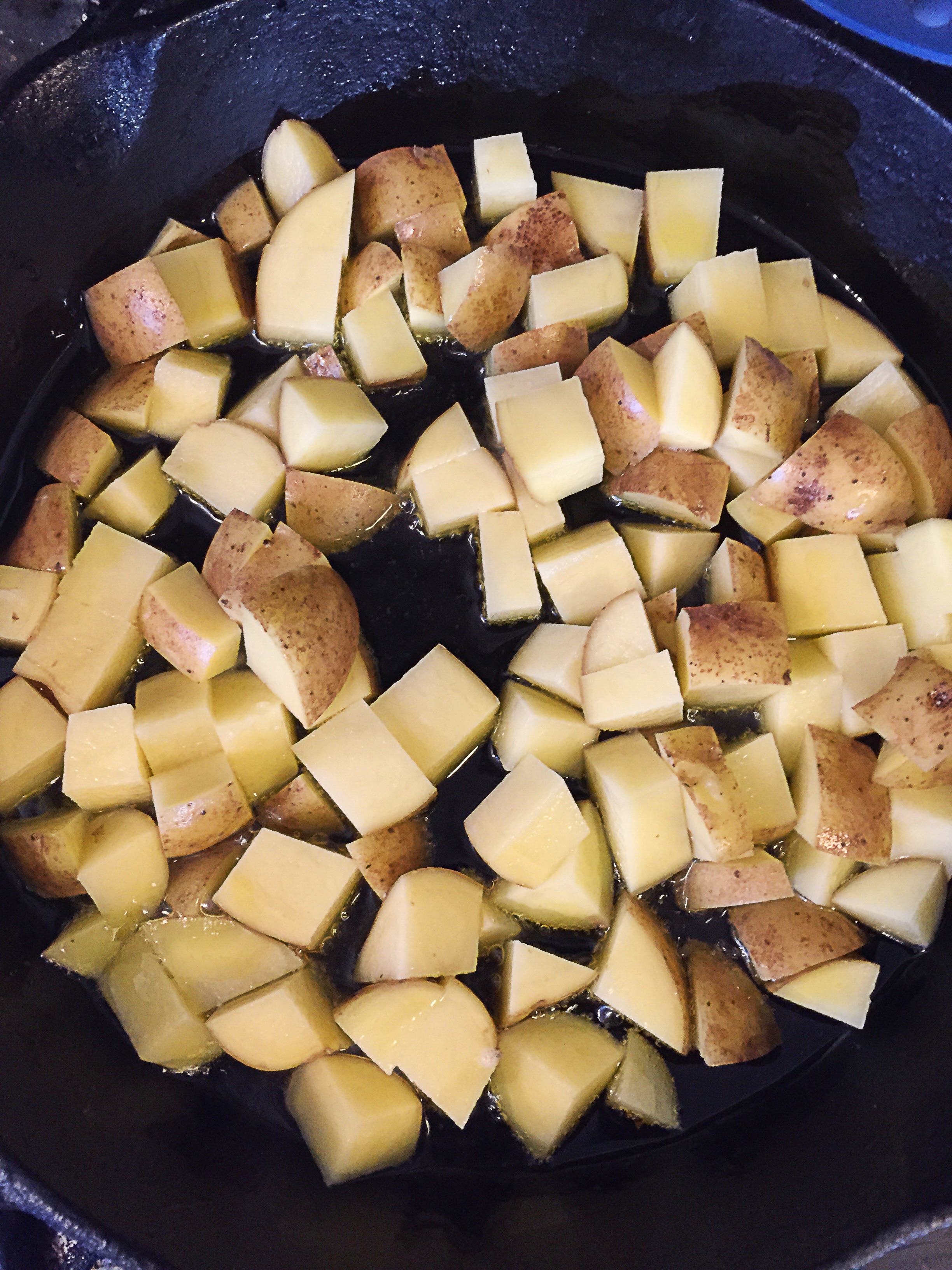
Directions: Heat olive oil in a frying pan. Place cubed potatoes in,

image

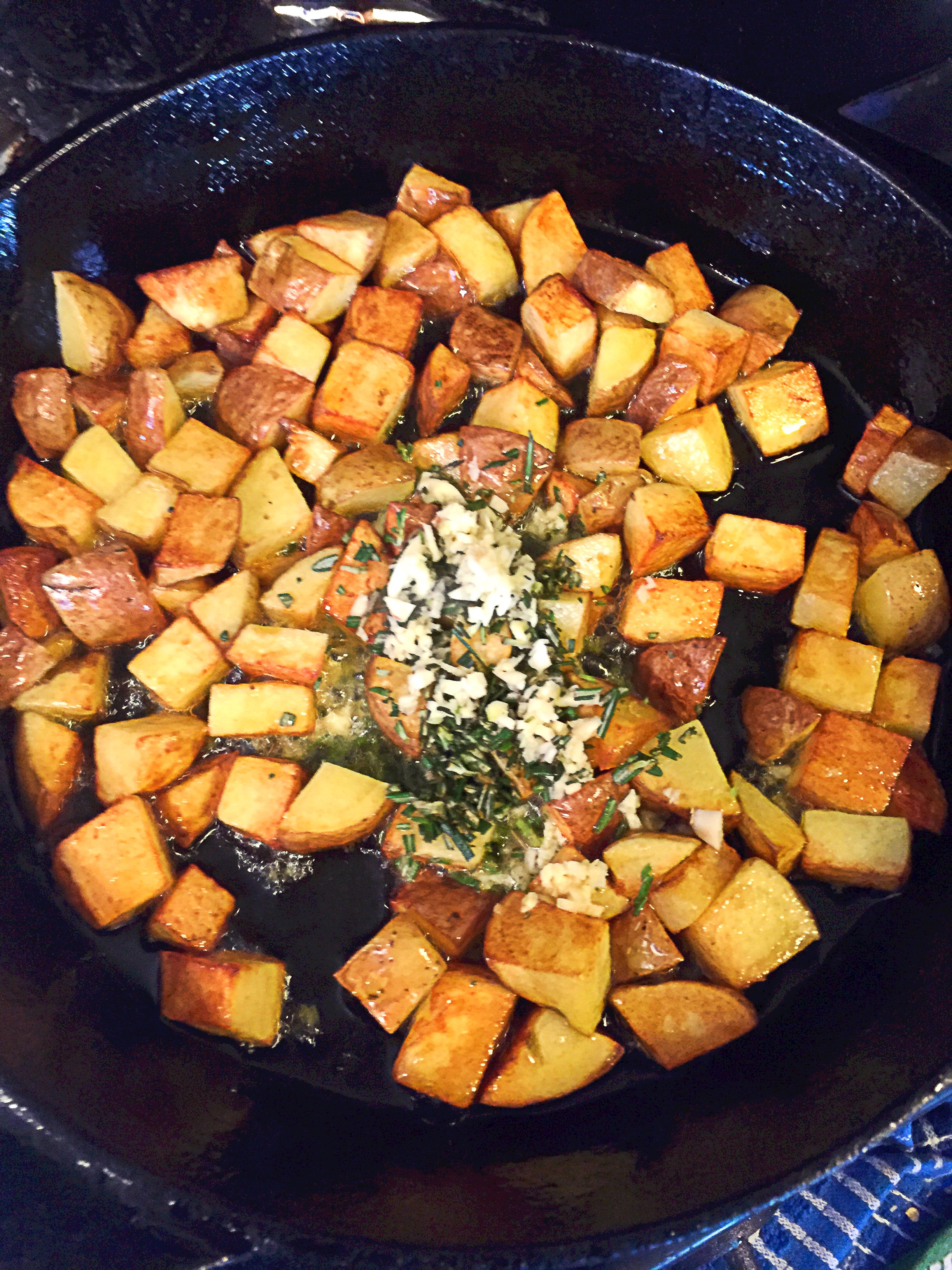
Cook potatoes until they start to brown, tip, cook for 5 minutes on one side, brown and then flip to the other side to brown.  Once potatoes are brown and fork tender, add the rosemary, lemon powder, and garlic, toss for ten to twenty seconds, just until you can smell the garlic, turn the fire off.

image

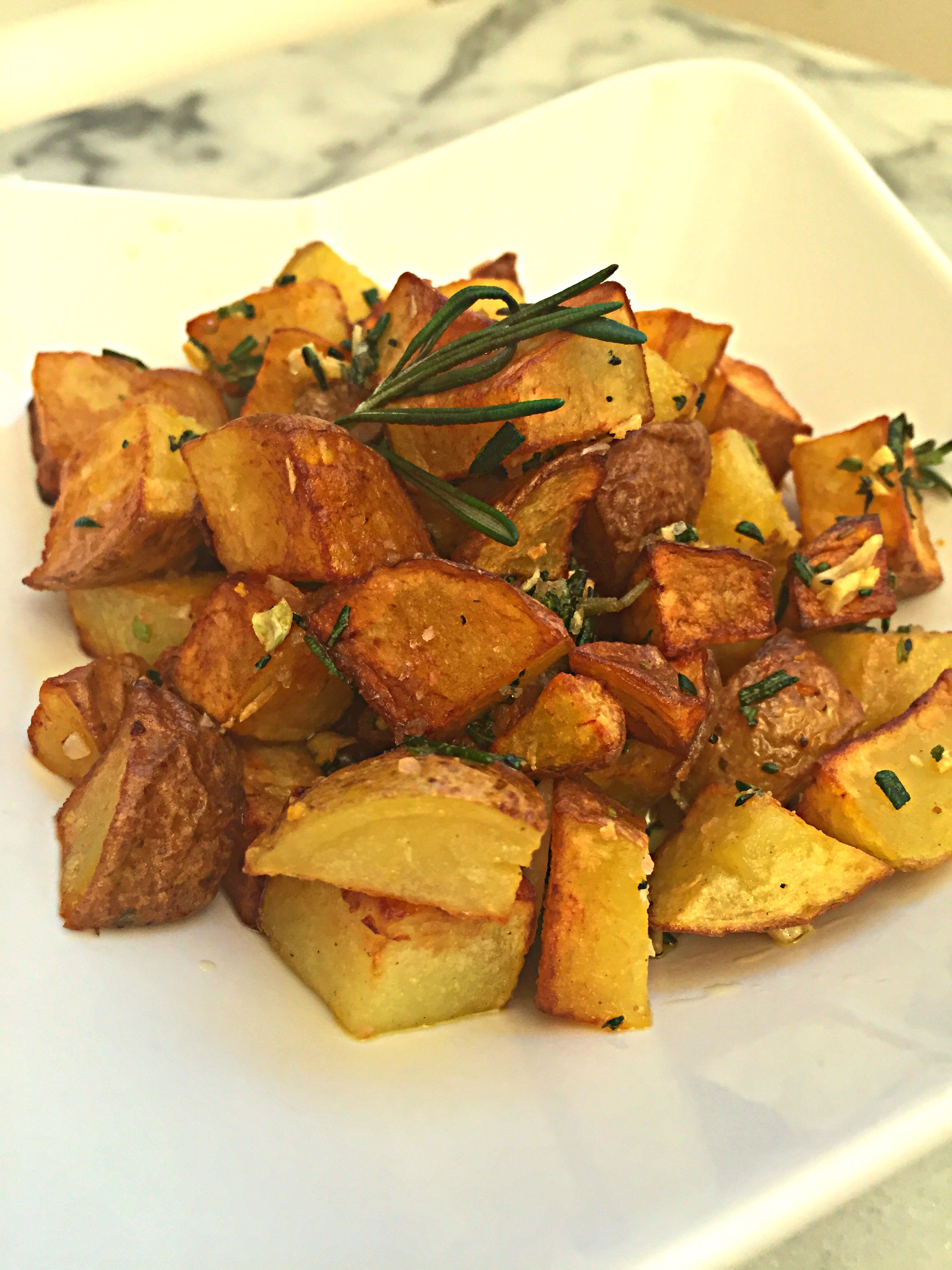
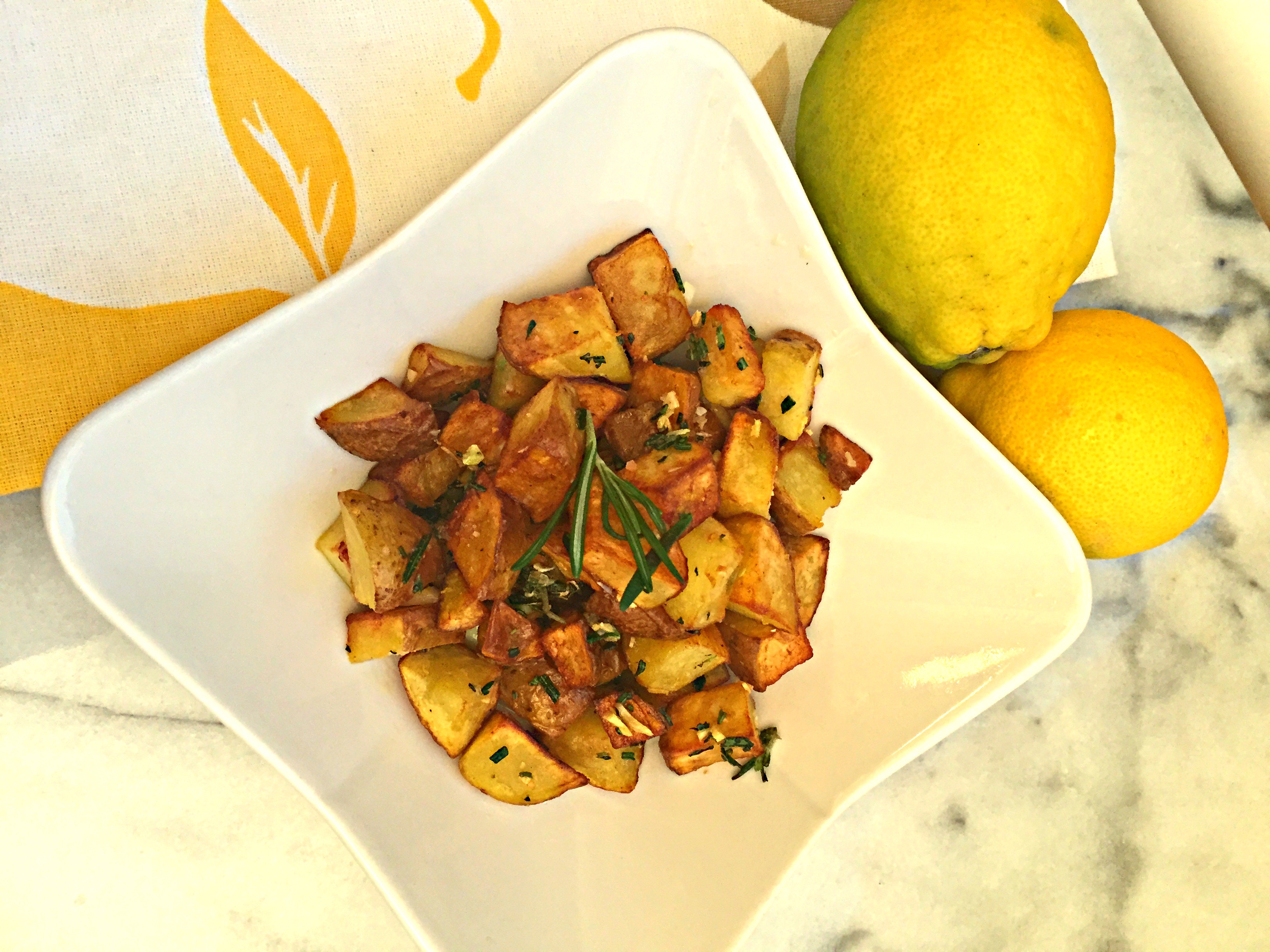
Transfer to a plate season with sea salt toss and enjoy!

image


If you like these potatoes then you’ll love my recipe for Lemon and Garlic Potatoes! You might also like these Ranch Potatoes!

How to make Onion Powder–DIY Onion Powder

DIY Onion Powder--How to make Onion Powder

DIY Onion Powder–How to make Onion Powder

Recently I was chatting with some professional chefs online one of them was talking about using dried powders like garlic and onion in a recipe that he was playing with.  He wanted to know where he could find better quality powders.  The discussion quickly went from people being helpful, to people questioning whether any chef of good standing would ever use a dried product versus a fresh product. One person in particular, said absolutely not!  Others, said of course and then went on to make a case for when dried spices are needed, and in those cases how using dry spices make the dish better.  The discussion got me thinking about how often I use dried spices, and what dry ingredients I use.  The truth is that I am one of those cooks, who relies heavily on fresh ingredients.  The produce bin in my refrigerator is always stocked with, fresh thyme, parsley, mint, cilantro, basil, and whatever other herb is in season–ALWAYS.  I can’t imagine cooking without the use of fresh herbs.  At the same time, my cupboards are stocked with the dried version of all the fresh herbs that I just mentioned, and many, many other dry spices, like garlic powder, cumin, tarragon, onion powder…the list could literally fill this page!  If you’ve been following my blog, then you know that I make many of my own spices.   When the person in that forum asked about sourcing onion powder, my immediate thought was, why not just make it? So I did.  It’s a simple process, but the onion powder that you get from this process is the best that you will probably ever taste–or smell–the smell had me salivating–this is the stuff that great onion dips, and soups are built from!

Pin It!


Prep time: 10 minutes

Cook time: 6-8 hours–

Ingredients:

2 large onions sliced thinly

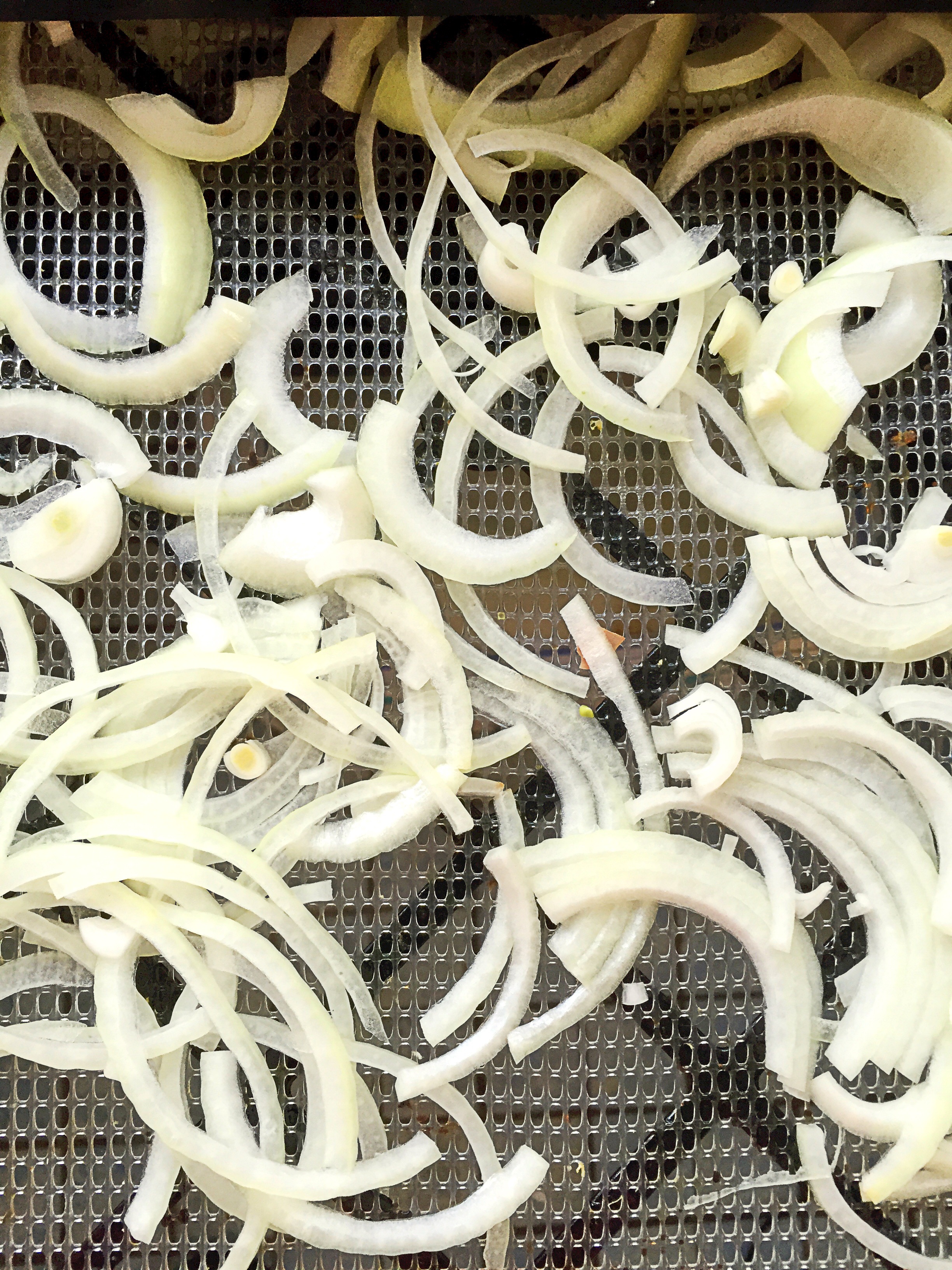
Directions: Evenly spread the sliced onions on a dehydrator sheet.

image

If using an oven, place the onions on a parchment lined bake sheet. Set the temperature on your dehydrator to 125F.  If using an oven, set it to the lowest possible setting 150F.  Let the onions dehydrate until brittle, then remove and let cool.

image

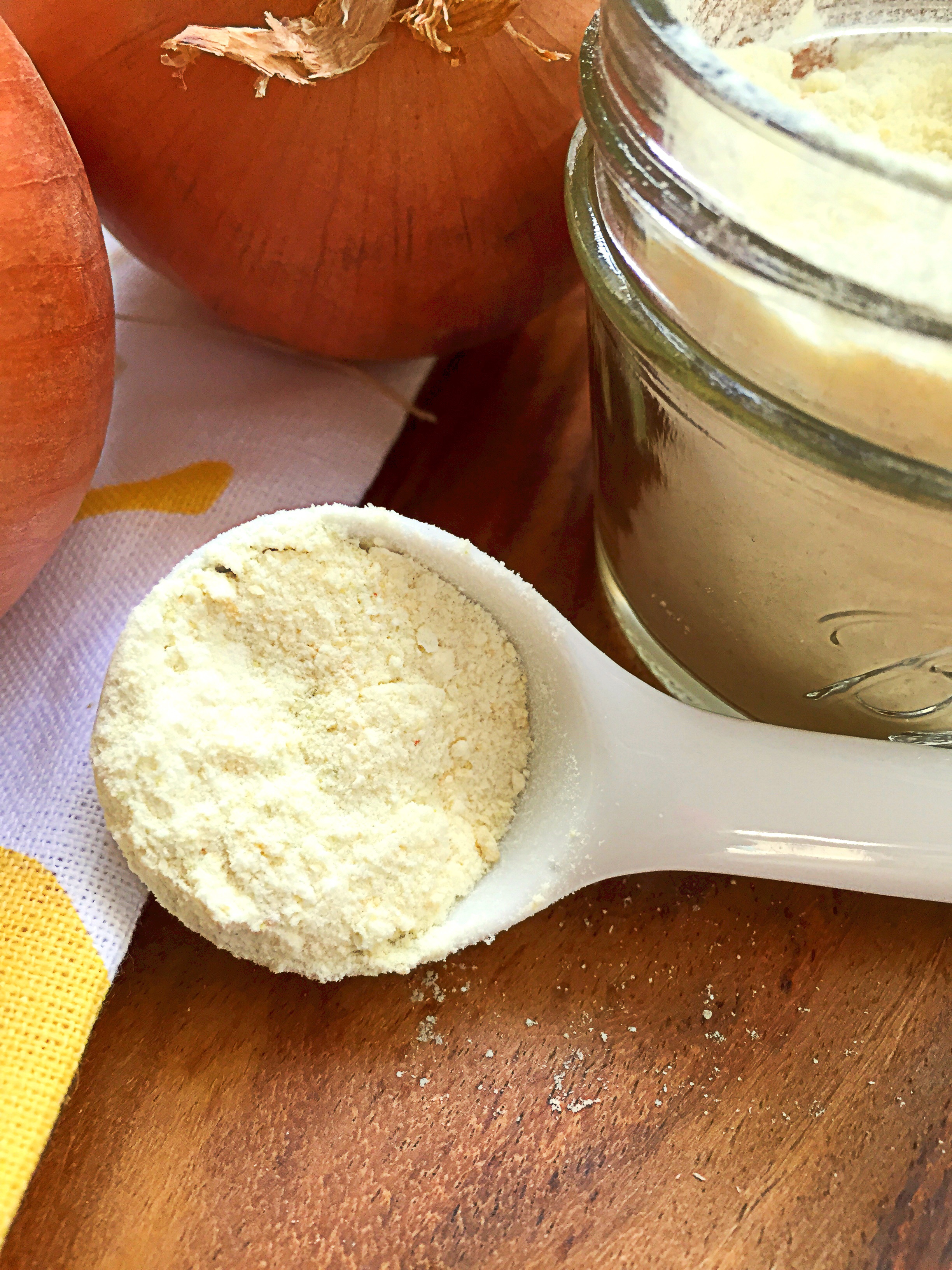
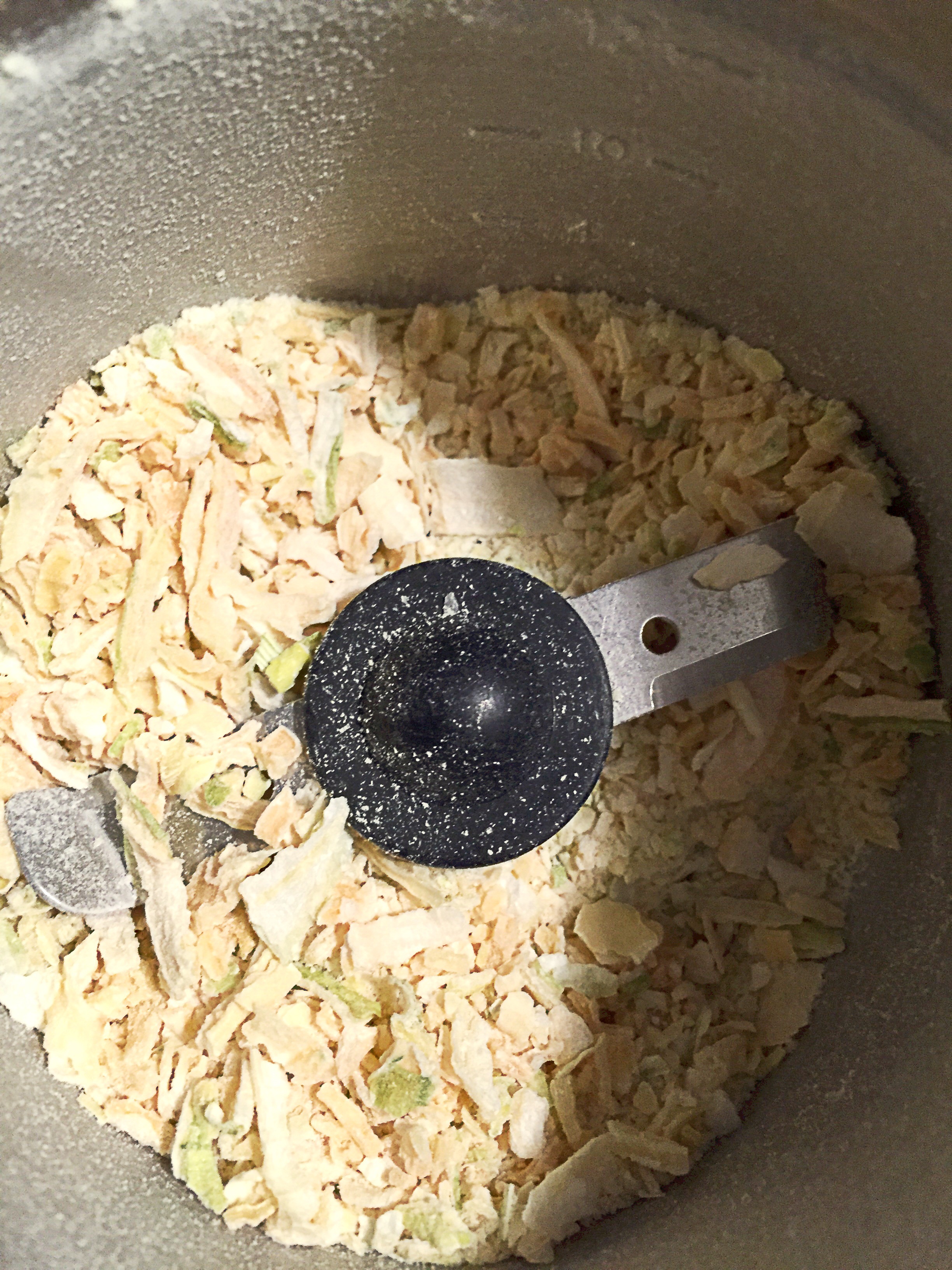
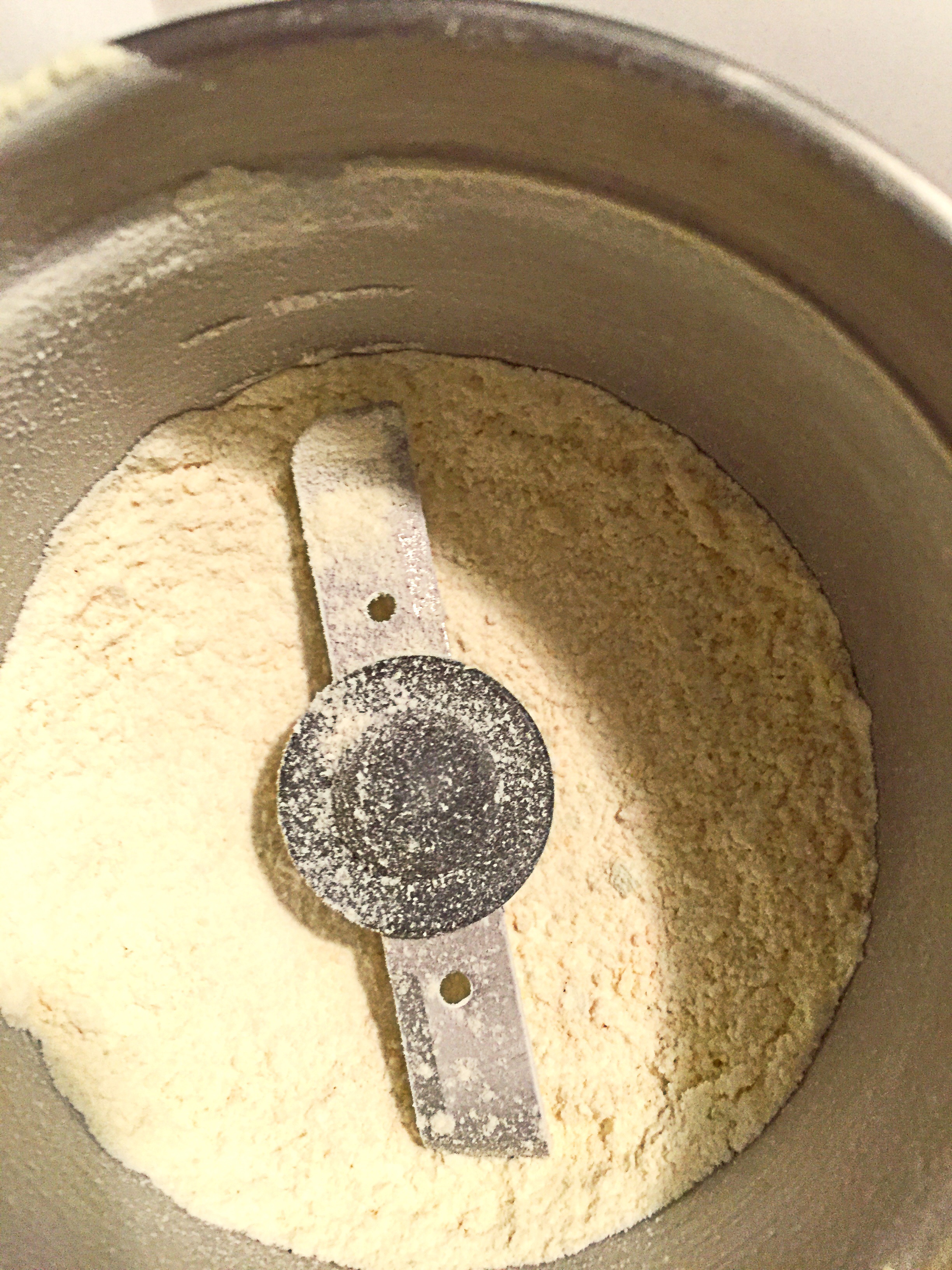
Once the onions have cooled, place them in a spice grinder/coffee grinder and blend into a powder.  Stop here if you want onion flakes,

image


image

Transfer to an airtight container until ready to use.


image


Mango Ice Cream

Mango Ice Cream

Mango Ice Cream

My husband loves mango’s and is especially fond of mango kulfi–an Indian ice cream.  It’s a special treat that he likes to enjoy whenever we go out to eat at an Indian restaurant. Although Kulfi is delicious, most recipes call for corn flour as a thickening agent.  I prefer the use of egg yolks to thicken my ice cream.   This ice cream is ultra creamy, not as rich as a Kulfi, but delicious none the less.

Pin It!


Prep time: 30-45 minutes

Cook time: 10 minutes

Ingredients:

3 cups of organic mango puree

1.5 cups of organic milk

2 cups of organic heavy cream

4 egg yolks

1 vanilla bean

1/4 cup-1/2 cup of maple syrup more if you like it ultra sweet or if your mango’s are not sweet

Directions:

In a medium bowl, beat together the yolks, and your sweetener of choice.

image

You can beat by hand using a whisk, or use a hand mixer. Beat until thoroughly smooth and creamy. (A couple of minutes by hand.) If you’re using maple syrup, or agave, the mixture comes together quite quickly.

image

Put 1 cup of the cream, and all of the milk, into a medium saucepan over medium heat.
image
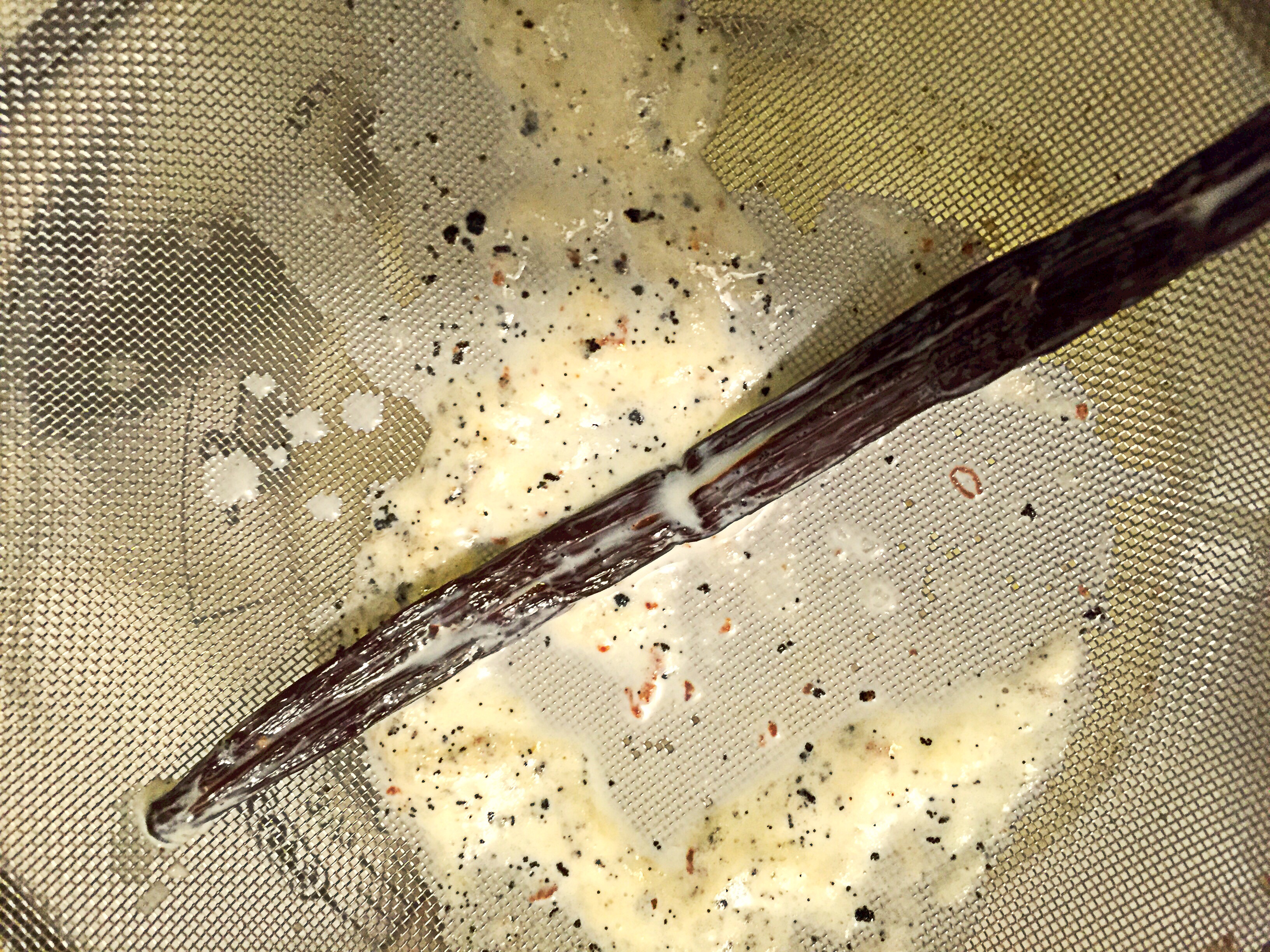
Scrape the vanilla seeds from the bean with the tip of a small knife, and place into the pan; add the pod too. Heat the mixture until just before it starts to simmer (DO NOT LET IT SIMMER). Remove mixture from heat.Strain the hot mixture, reserving the milk and discarding thevanilla bean pod.
image

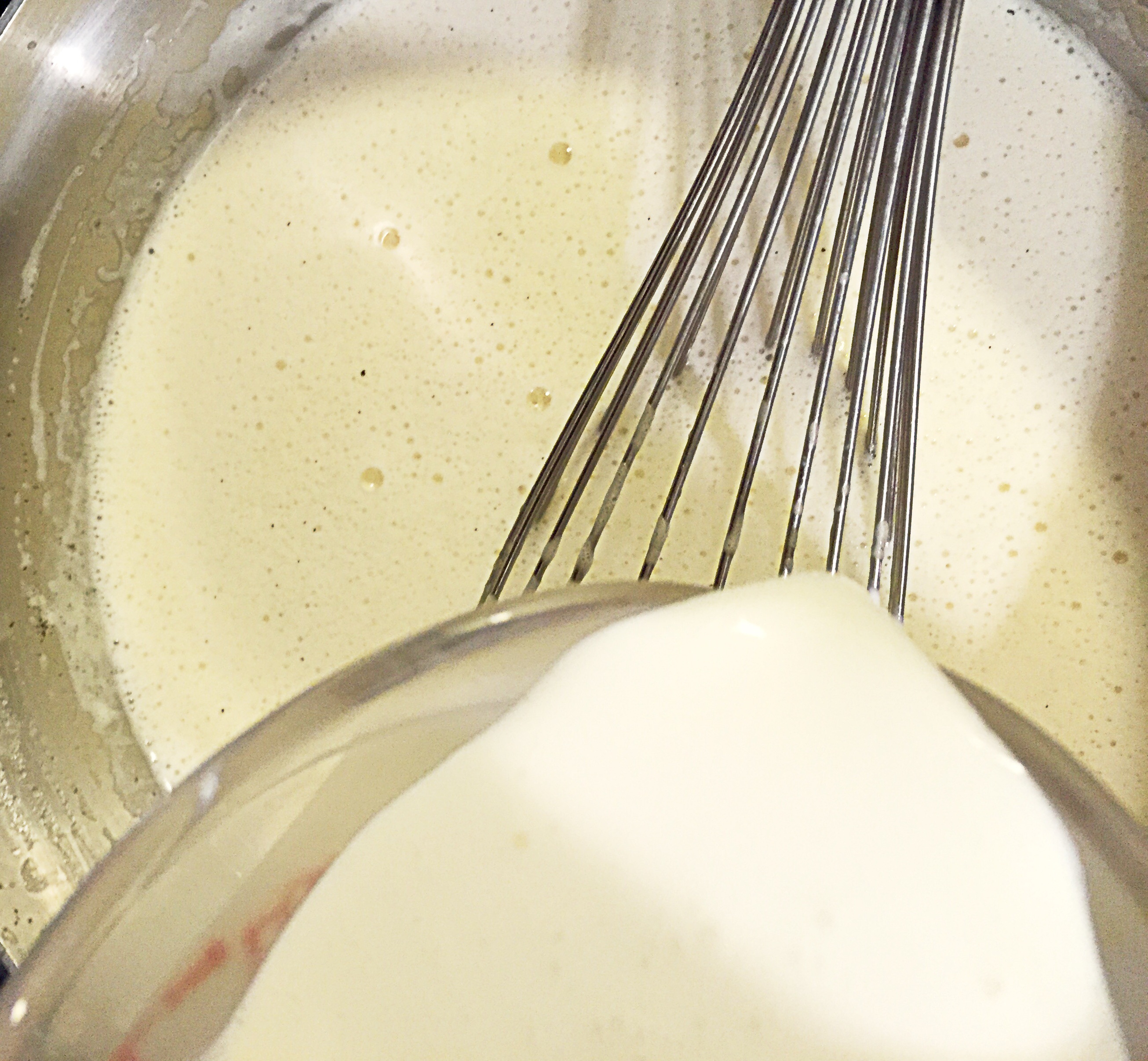
Add half of the hot mixture to the egg-yolk mixture, and whisk until blended. Be careful when adding the hot mixture to the egg mixture, go slowly you don’t want scrambled eggs.  Stir this mixture into remaining hot mixture in the sauce pan,add the last cup of heavy cream and cook over low heat, stirring constantly, add in the mango puree,and cook until mixture is thick enough to coat the back of a wooden spoon.

image

Remove from heat.  Quickly cool the mixture by pouring the hot mixture into a bowl over an ice bath, or let it cool to room temperature for at least 30 minutes. Once the cream has cooled sufficiently, freeze in an ice-cream maker according to manufacturer’s instructions.

image

If you don’t have an ice cream maker, check out this Link to see how make ice cream without one.

image

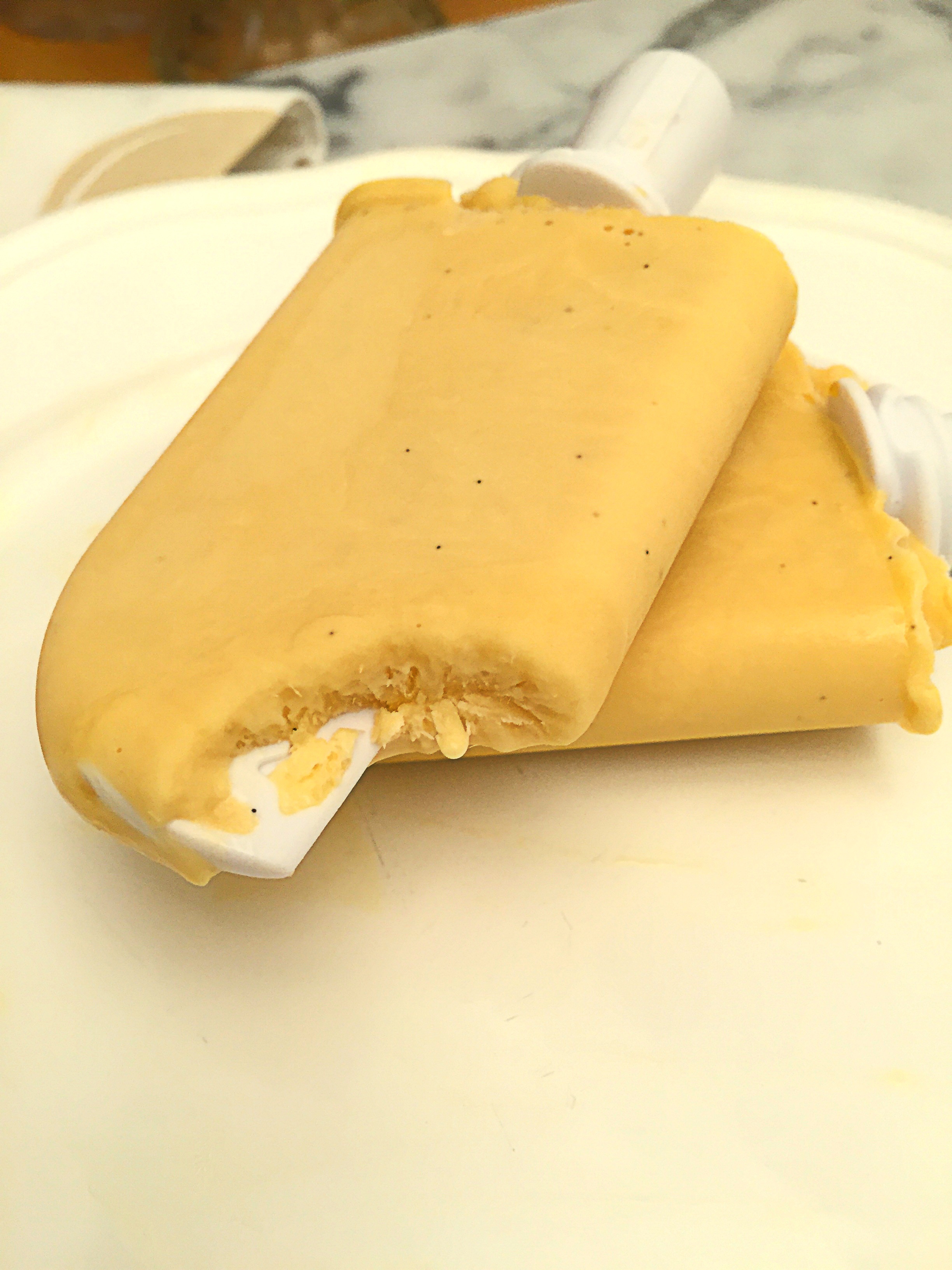
You could also freeze the cream in popsicle molds, or make a instant pop in a Zoku Quick Pop Maker–like I did below!

 image

image

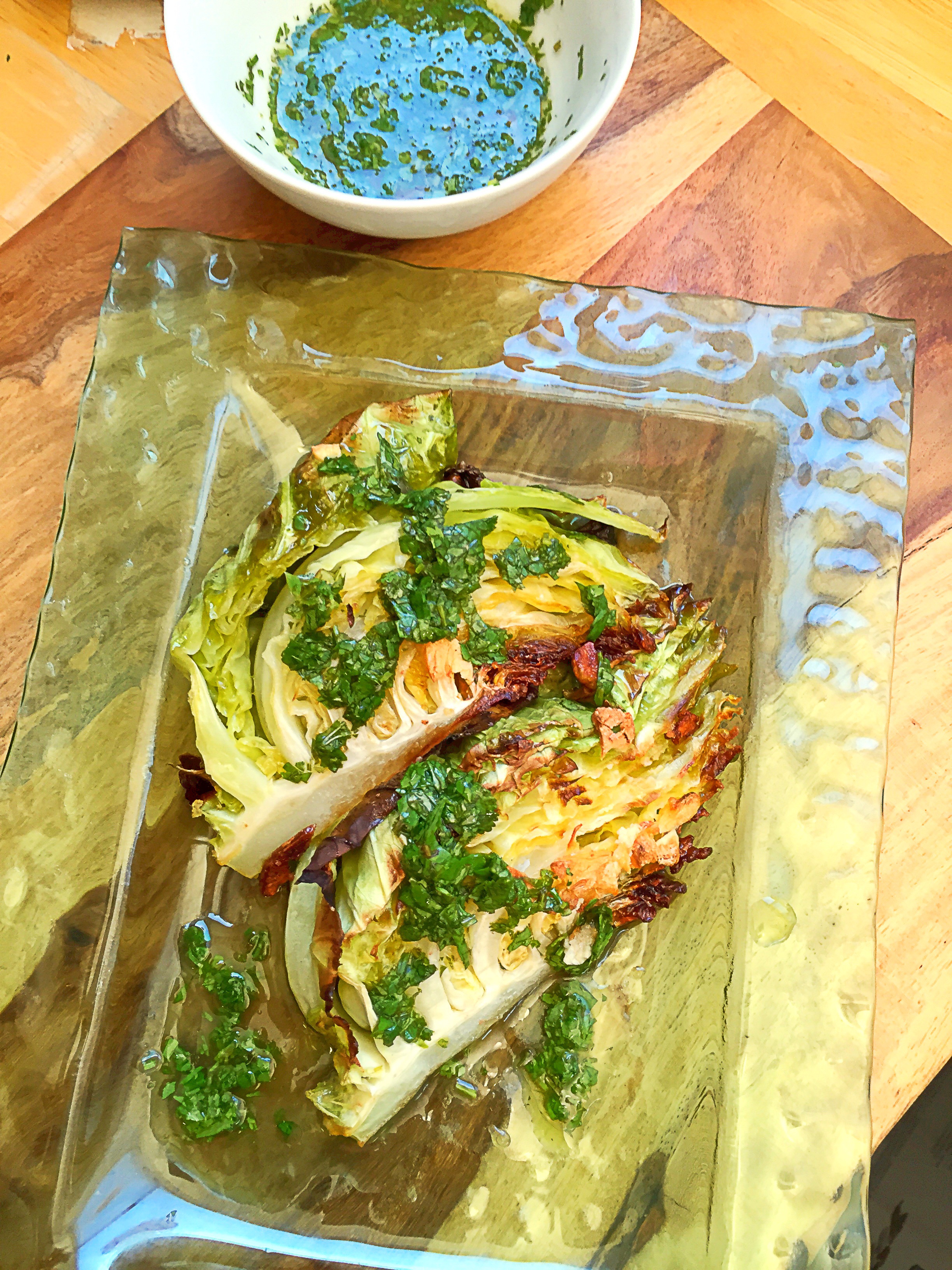
Roasted Cabbage Wedges with Cider Herb Vinaigrette

Roasted Cabbage Wedges with Cider Herb Vinaigrette

Roasted Cabbage Wedges with Cider Herb Vinaigrette

One of my favorite winter vegetables is cabbage.  I love it in a hearty soup, braised in a crock on the stove, or roasted in the oven. Cabbage seems to be one of those vegetables for me that not matter how I cook it, it’s comforting in every way! This recipe is a favorite of mine, the roasted cabbage alone is awesome, but the vinaigrette really takes it to another level!

Pin It!


Prep time: 5 minutes

Cook time: 15 minutes


Ingredients:

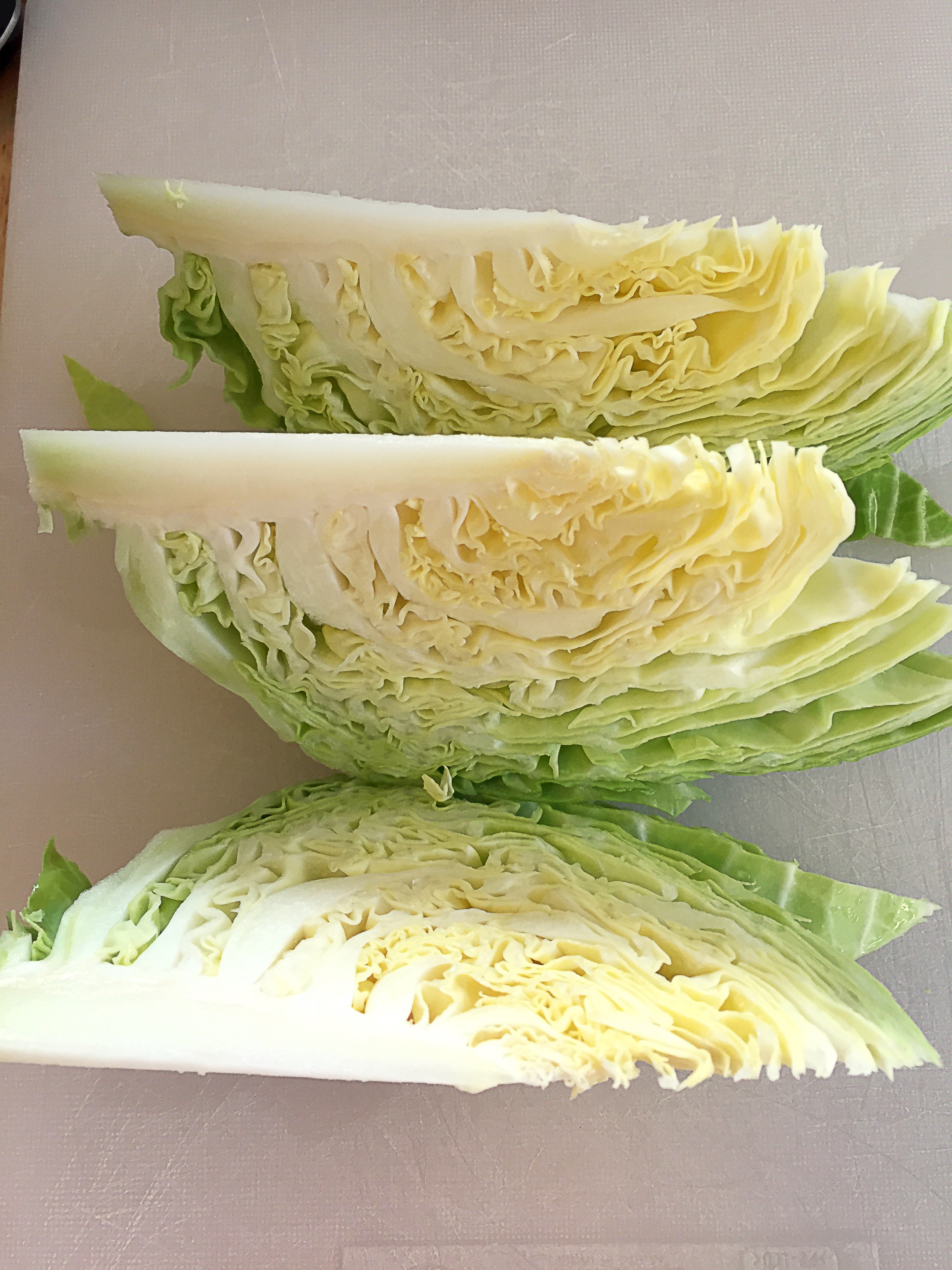
1 small head of cabbage quartered with core intact, so it doesn’t fall apart

3-4 tablespoons of oil

4 cloves of garlic sliced thinly

sea salt and black pepper to taste

Vinaigrette

2 tablespoons of Apple cider vinegar

1 tablespoon of mustard oil

1 tablespoon of finely chopped cilantro

sea salt to taste


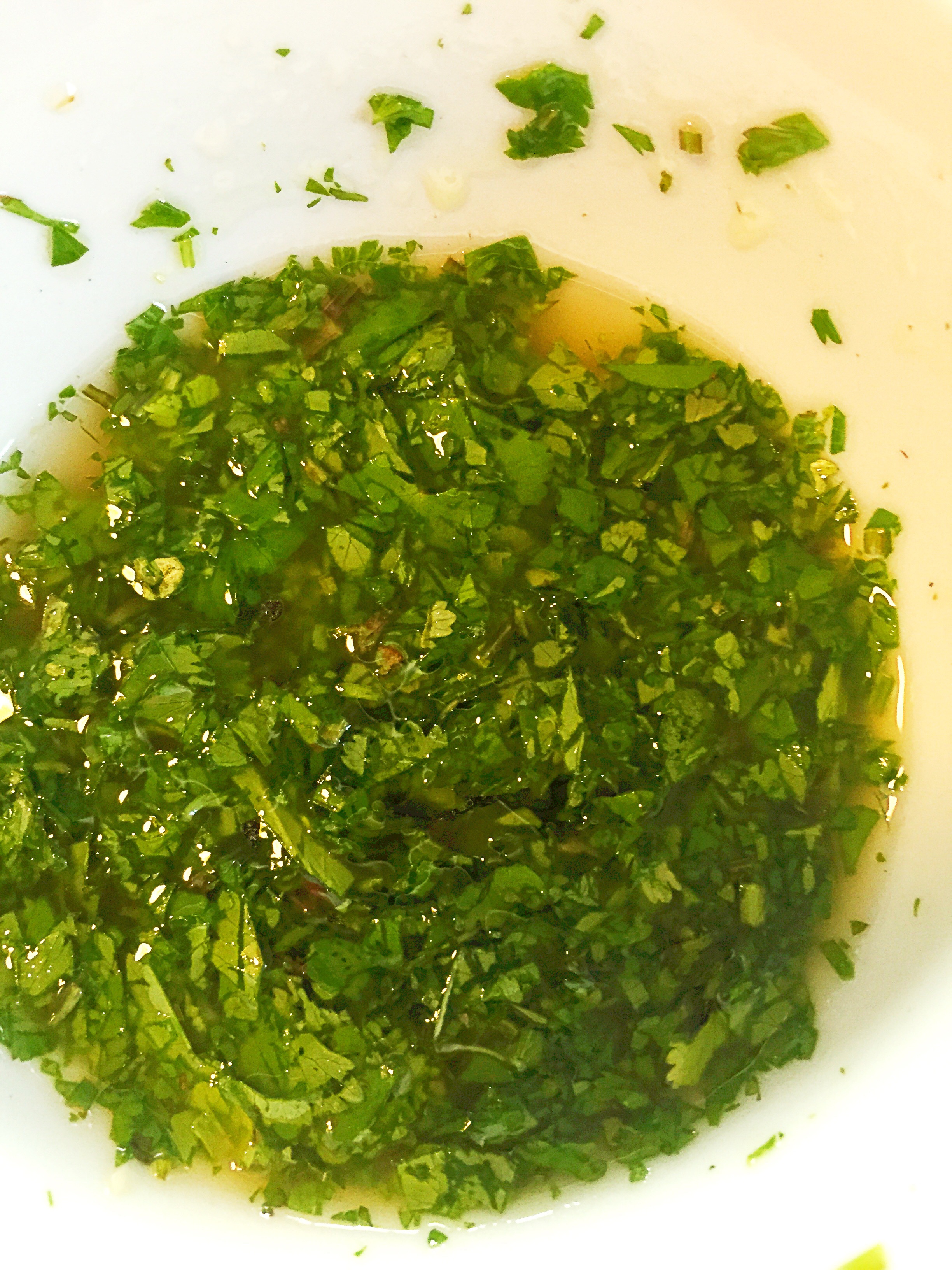
Directions: Add the ingredients for the vinaigrette to a bowl, mix well and set aside.

image

Pre-heat the oven to 425F.

image

Add the cabbage to a foil lined bake sheet, then drizzle with oil  and season with sea salt and black pepper on both sides. Lastly top with sliced garlic, and place in the oven.

image

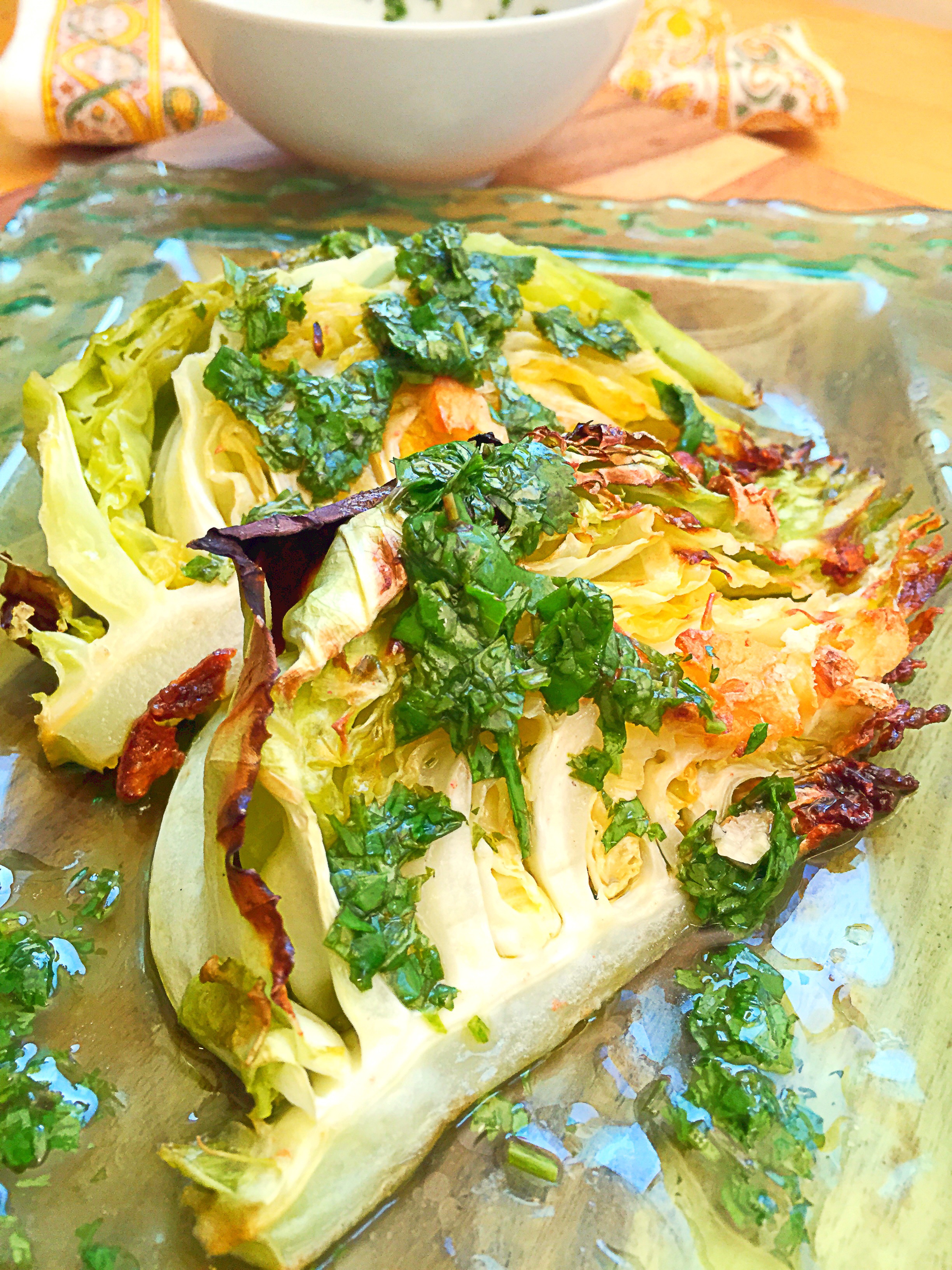
Cook  for 10-15 and cabbage takes on some color.  Remove from oven, drizzle each wedge with some of the vinaigrette, serve and enjoy!


image

image

If you like this recipe check out my recipes for Indian Spiced Cabbage and Ground Chicken and Cabbage Curry!

Follow and Like me on Facebook: http://www.facebook.com/lazygirldinners


DIY BBQ Rub–Lazy Girl All Purpose Barbecue Seasoning

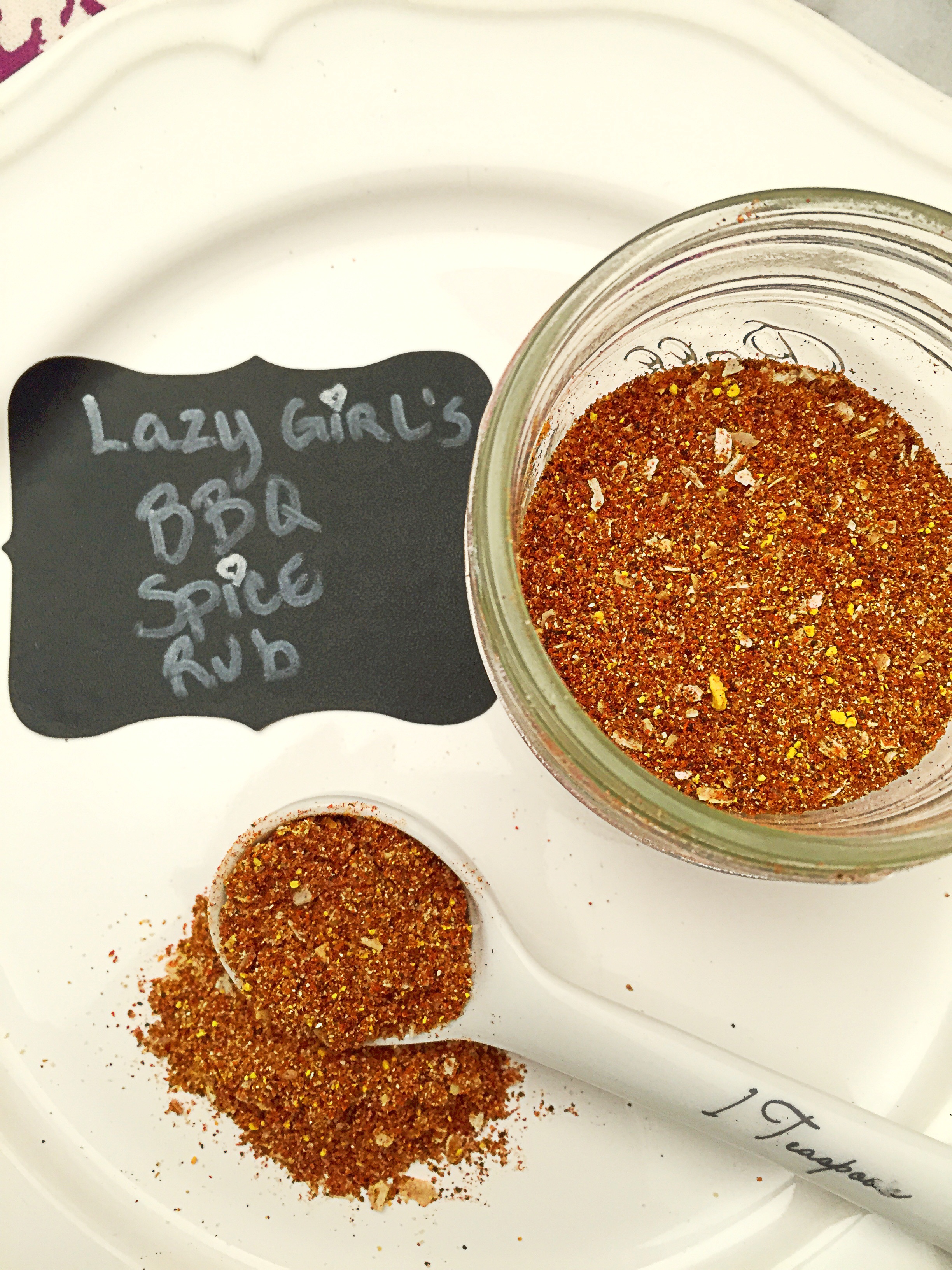
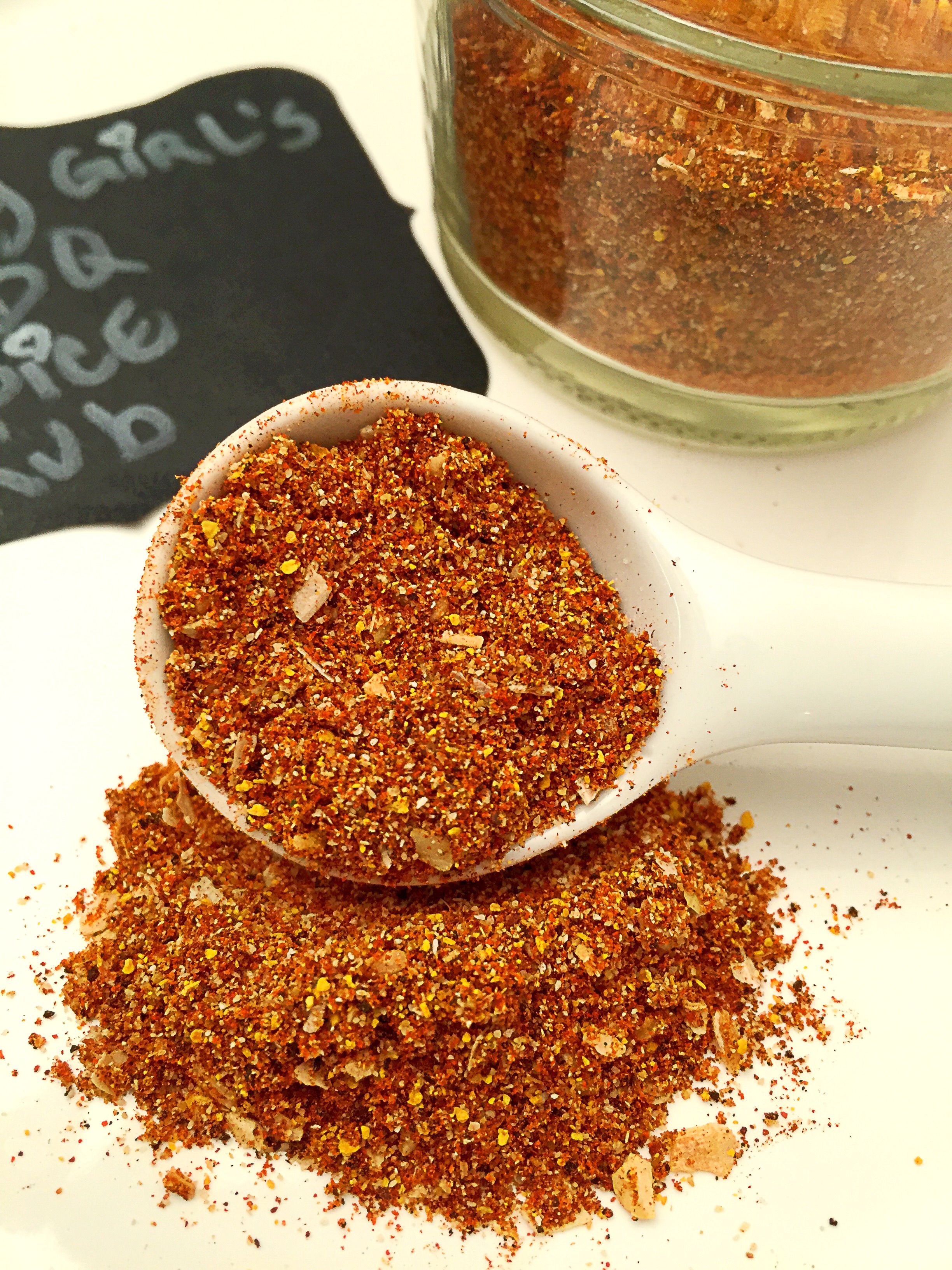
Lazy Girl BBQ Spice Rub

Lazy Girl BBQ Spice Rub

By now you know that I love to make my own dry rubs and seasonings. I am a particular fan of the Trader Joe’s brand BBQ rub, but it’s not organic, and it contains sugar.  So of course I had to make my own version–without the sugar. I find that most things that call for sugar, either need less than the recipe calls for, or  don’t need it at all.  If you want to add sugar to this, then by all means add it, 1 teaspoon of maple sugar won’t kill you, but it really isn’t necessary for this recipe, this seasoning is fantastic all own its own. Also a bit of spice is nice in the recipe but I have made it optional.  My daughter isn’t a fan of spicy foods, so I often leave the spice as a later addition for the grown ups.  This truly is an all purpose seasoning, it taste great on chicken, pork, tofu, or steak.

Pin It!


Prep time: 5 minutes

Cook time: none

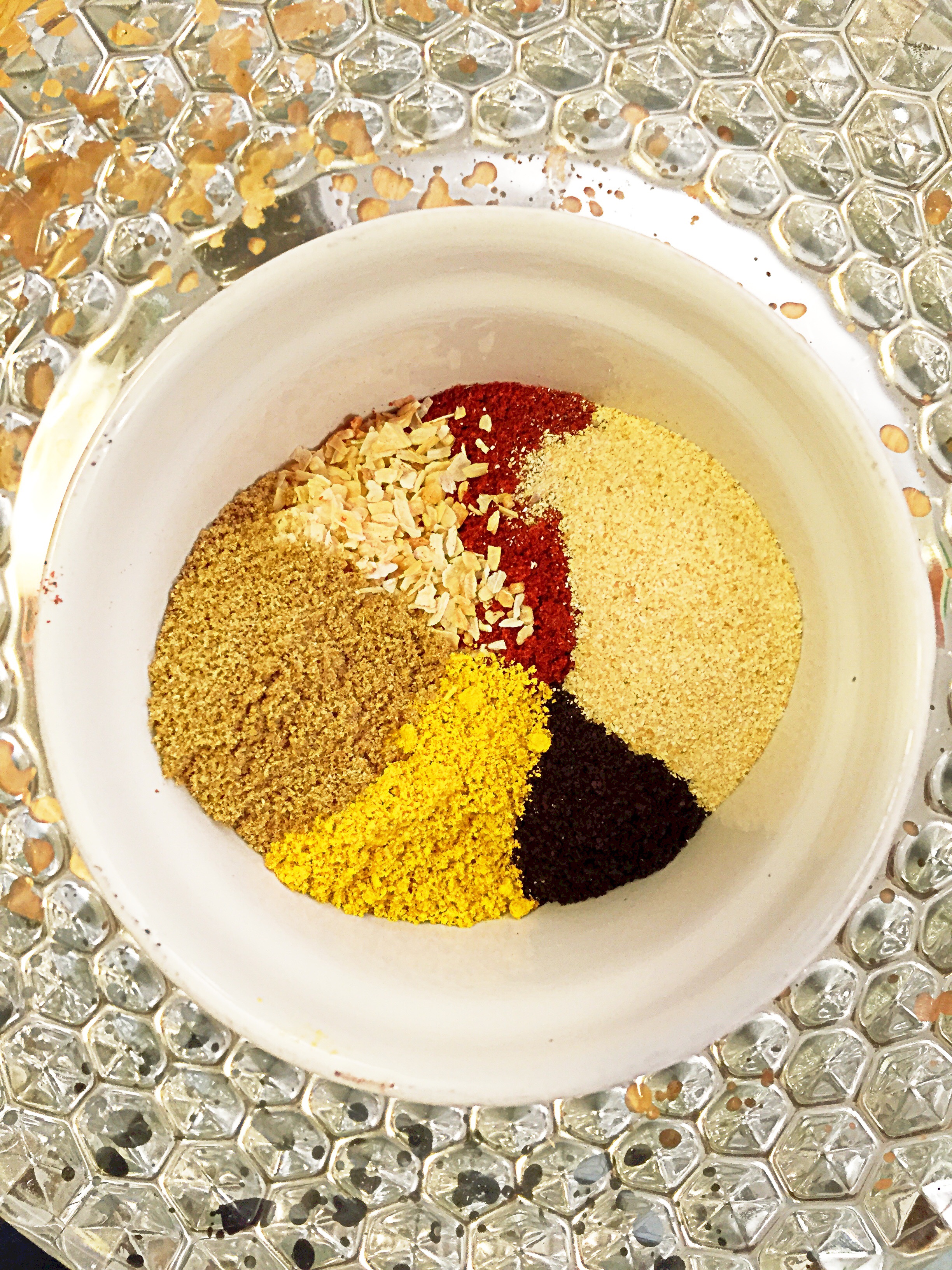
Ingredients:

2 teaspoons of smoked paprika

1 teaspoon of onion flakes (can sub onion powder)

1 teaspoon of satsuma powder (can sub 2 teaspoons of orange zest)

1 teaspoon of cumin

1 teaspoon of ground coffee

1 teaspoon of himilayan sea salt

1/2 teaspoon of red pepper flakes (optional)


Directions: Add all ingredients to a small bowl,

image

Mix well:

imageTransfer to an air tight container until ready to use:

image


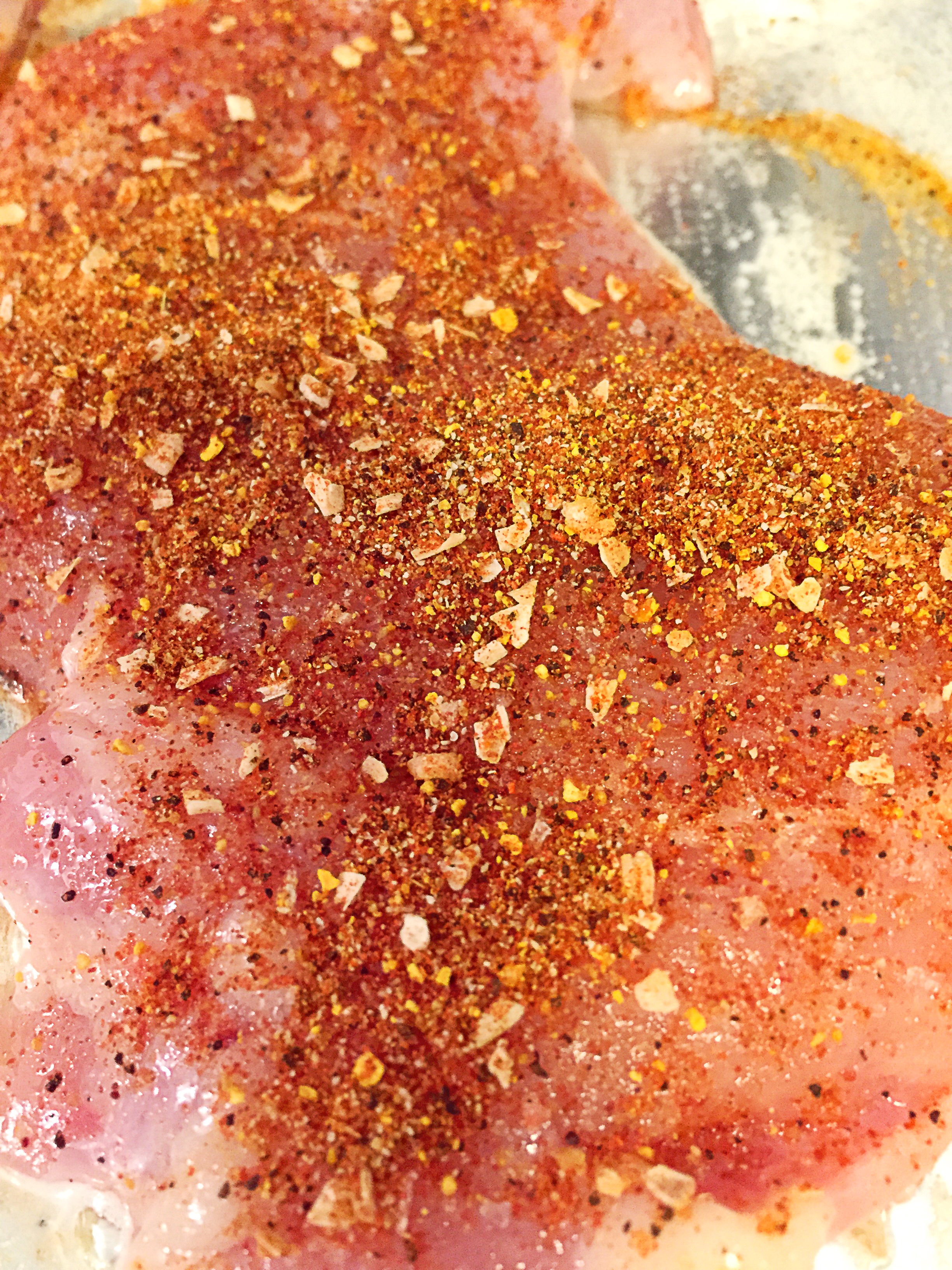
This is such a great seasoning, and it’s not just something to use on grilled meats.  I used it to make oven roasted barbecue chicken the other night, and it was a huge hit!


image


Follow and like me on Facebook:  www.facebook.com/lazygirldinners